EA888 evo4 Engine
- Engine
- 1984 cm3
- Aspiration
- Turbocharger, Intercooler
- Fuel
- Petrol (Gasoline)
- Fuel injection system
- Direct injection
- Power
- 241 hp @ 5000 rpm
- Torque
- 370 Nm @ 1600 rpm
- Cylinders
- 4
- Valves
- 16, 4 per cylinder
- Cylinders position
- Inline
- Valvetrain
- DOHC
- Systems
- Start & Stop System
# Vehicles powered by this engine
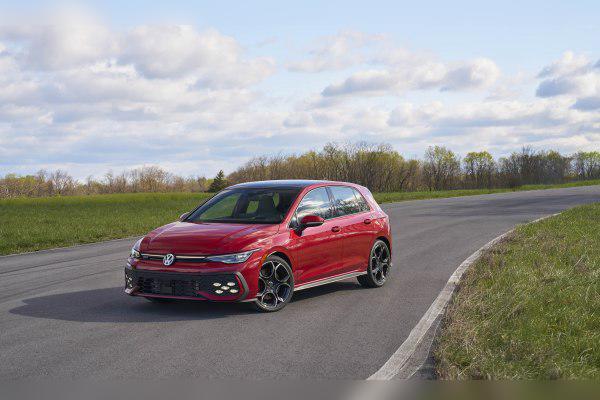
2.0 TSI (EA888 evo4) 241 HP: Experiences, problems, fuel consumption and used car buying guide
Key points (TL;DR)
- Reliability: Significantly improved compared to older generations (Gen 2/3). Oil consumption issues are mostly resolved.
- Timing: The engine uses a timing chain, which in this "evo4" version is very durable and does not require frequent replacement.
- Main weakness: The thermostat module and water pump are still a "weak point" and can start leaking prematurely.
- Performance: Explosive engine, excellent torque (370 Nm) available at low revs. It never feels "lazy" in any situation.
- Gearbox: Paired with a DSG gearbox (DQ381) which requires strict oil changes at 60,000 - 120,000 km (depends on recommendation, but 60k is safer).
- Recommendation: One of the best 2.0 turbo petrol engines on the market today. An ideal balance between sportiness and everyday usability.
Contents
- Introduction and applications
- Technical specifications
- Reliability and maintenance
- Specific parts and costs
- Fuel consumption and performance
- Additional options and modifications (tuning/LPG)
- Gearbox (DSG)
- Buying used and conclusion
Introduction and applications
The engine in question is the fourth evolution (EA888 evo4) of Volkswagen’s legendary 2.0 TSI unit. This is the heart of modern VAG group "hot hatch" models. The specific version with 241 HP (180 kW) is tuned to provide a sporty feel without sacrificing everyday usability. It is primarily installed in the Volkswagen Golf VIII GTI (including facelift models), where it represents the "golden middle" before stepping up to the more powerful Clubsport or R models.
Unlike older versions that had a bad reputation for oil consumption and timing chain failures, evo4 is a mature engineering product where those "childhood diseases" have largely been cured. Still, like any high-performance machine, it requires specific maintenance.
Technical specifications
| Displacement | 1984 cc (2.0 L) |
| Power | 180 kW (241 HP) |
| Torque | 370 Nm |
| Engine code | DNPA (Most common for this power output, but verify) |
| Injection type | Direct injection (FSI/TSI) - 350 bar |
| Induction | Turbocharger + intercooler |
| Timing drive | Chain |
Reliability and maintenance
Timing system: chain or belt?
This engine uses a timing chain to drive the valves. In the past (EA888 Gen 1 and 2), this was a nightmare for owners due to chain stretch and catastrophic engine failures. However, in the evo4 generation, the tensioner system and the chain itself have been significantly reinforced. The chain is designed to last the "lifetime of the vehicle", but in practice that means it should easily go beyond 200,000 km with regular oil changes. There is no fixed replacement interval as with a belt – it is replaced only if you hear a characteristic rattling noise on cold start.
Most common failures
Although the engine is robust, it is not without flaws:
- Water pump and thermostat housing: This is the "Achilles heel" of EA888 engines. The housing is plastic and due to heat cycles it deforms and starts leaking coolant. Symptoms are a dropping coolant level and a sweet smell of vapour under the hood.
- PCV valve (oil separator): If it fails, it can cause increased oil consumption or rough engine operation (vacuum leak).
- Carbon buildup: Since this is a direct injection engine, fuel does not "wash" the intake valves. Over time, soot deposits build up and can reduce power. Cleaning is usually needed at higher mileage (over 100,000 km).
Service intervals and oil
Major service: Since the engine has a chain, the classic "major service" refers to replacing the auxiliary (serpentine) belt (alternator/AC belt) and its tensioners, usually at around 100,000 - 120,000 km.
Oil: The engine takes approximately 5.7 litres of oil. For evo4 engines, the factory often recommends very thin oils of grade 0W-20 (VW 508.00 standard) for fuel economy. However, many experienced mechanics and enthusiasts switch to 0W-30 or 5W-30 (VW 504.00) if the car is driven more aggressively, for better protection at high temperatures.
Oil consumption: Does it burn oil? Yes, every turbo engine uses a bit of oil, but evo4 is not a notorious oil burner like its predecessors. It is normal to top up 0.5L to 1L per 10,000 km if driven hard. If it uses a litre per 1,000 km, you have a mechanical problem.
Spark plugs
On this engine the spark plugs are under high load. It is recommended to replace them every 60,000 km (or 4 years). If the engine is "chipped", this interval should be halved to 30,000 km.
Specific parts (costs)
Dual-mass flywheel: Yes, this engine in combination with the DSG gearbox uses a dual-mass flywheel. Its purpose is to absorb engine vibrations. Its lifespan is usually between 150,000 and 200,000 km, depending on driving style (hard acceleration shortens its life). Replacement cost is high (depends on market).
Fuel injection system: It uses a high-pressure system (up to 350 bar). The injectors are generally reliable, but sensitive to poor fuel quality. A failing injector manifests as jerking while driving or a "check engine" light with a "misfire" error.
Turbocharger: The engine has one turbocharger (usually Continental or Garrett). They are very durable because they are both oil- and water-cooled. With regular oil changes and proper cooldown (not switching off immediately after "hard driving"), the turbo lasts as long as the engine.
GPF/OPF and EGR: This model (especially for the EU market) is equipped with a GPF (Gasoline Particulate Filter), which is the petrol equivalent of a DPF. The good news is that a GPF is much less prone to clogging than a diesel DPF because petrol exhaust gases are hotter. Problems are rare. An EGR valve is present, but it is not as prone to clogging as on diesels.
AdBlue: No. This is a petrol engine and does not use AdBlue fluid.
Fuel consumption and performance
City driving: Do not expect miracles. Real-world consumption in heavy traffic is between 9 and 12 l/100km. If you have a heavy right foot, the figure easily goes above 13 litres.
Is it lazy? Absolutely not. With 241 HP and 370 Nm available from as low as 1,600 rpm, the Golf VIII GTI is very quick. The Golf’s body is relatively light for this power level, so overtaking is instant and safe.
Highway: This is an excellent cruiser. At 130 km/h in 7th gear (DSG) the engine spins at a low 2,000 - 2,200 rpm. Consumption on the open road at normal speeds (120-130 km/h) is surprisingly low, around 6.5 to 7.5 l/100km.
Additional options and modifications
LPG conversion: Technically possible, but economically unviable and complicated. Due to direct injection, an expensive system is required (liquid phase or a system that uses both petrol and LPG at the same time to cool the injectors). Most owners of such cars avoid LPG.
Chiptuning (Stage 1): EA888 engines are known for their incredible tuning potential. With just a software remap (Stage 1), this engine safely reaches 280 - 300 HP and over 450 Nm of torque, without changing mechanical components. Of course, this shortens the lifespan of the turbo and clutch if the car is abused.
Gearbox: DSG DQ381
With this engine in the Golf 8 GTI (and facelift) you typically get a 7-speed DSG automatic gearbox designated DQ381. The manual gearbox has been dropped in some variants and in some markets for facelift models, so the focus is on the DSG.
Gearbox reliability: The DQ381 is a "wet" DSG (the clutches run in oil). This is a drastically more reliable gearbox than the older 7-speed "dry" DSG units. It shifts very quickly and can handle high torque.
Most common issues: Problems are rare and mostly related to the mechatronics unit (the gearbox brain) if the oil is not changed regularly. Symptoms include harsh engagement from P to D, or jolts during shifting.
Maintenance: Oil changes in the DSG gearbox are MANDATORY. The recommendation is every 60,000 km (even though the factory sometimes states 120,000 km, shorten the interval for longevity). This is an expensive regular maintenance item (depends on market), but cheaper than a gearbox overhaul.
Buying used and conclusion
If you are buying a Golf 8 GTI with this engine, pay attention to the following:
- Cold start: Listen to the engine while it is cold. If you hear loud chain rattling for more than 2–3 seconds, this indicates a problem with the tensioner or the chain.
- Coolant leaks: Check the coolant level and look for white traces (dried antifreeze) around the front of the engine (below the intake manifold).
- DSG service history: If the car has more than 60,000 km and the gearbox oil has not been changed – walk away or immediately factor that cost into the price.
Conclusion: The 241 HP EA888 evo4 is a fantastic engine. It delivers true sports car performance with fuel consumption that is acceptable for daily driving. It is aimed at drivers who want excitement but also need a reliable car for long trips. Maintenance is not cheap (especially due to the DSG and specific components), but reliability is at a high level.
Was this content useful to you?
Your opinion helps us to improve the quality of the content.