DGXA Engine
- Engine
- 1395 cm3
- Aspiration
- Turbocharger, Intercooler
- Fuel
- Petrol (Gasoline)
- Fuel injection system
- Direct injection
- Power
- 147 hp @ 5000 rpm
- Torque
- 250 Nm @ 1500 rpm
- Cylinders
- 4
- Valves
- 16, 4 per cylinder
- Cylinders position
- Inline
- Valvetrain
- DOHC
- Oil capacity
- 4 l
- Coolant
- 10 l
- Systems
- Start & Stop System
# Vehicles powered by this engine
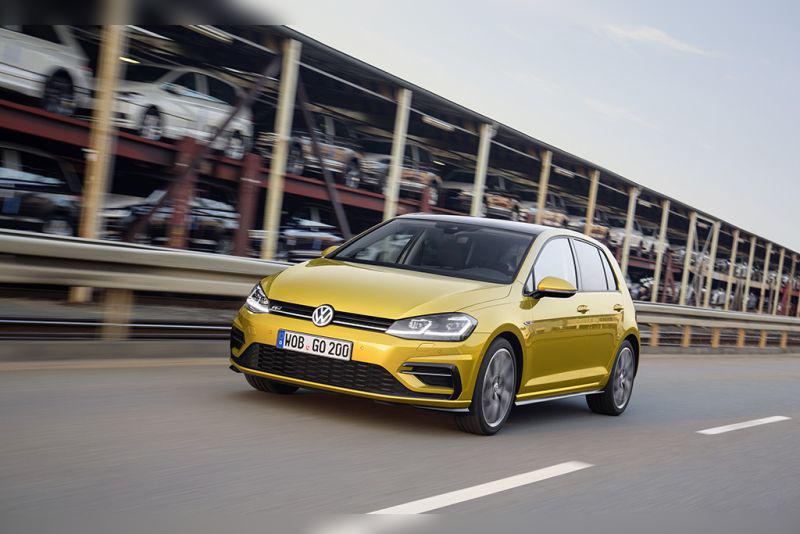
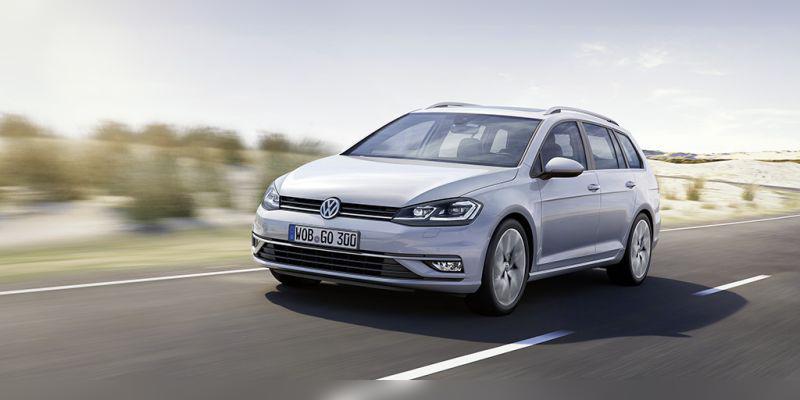
1.4 TSI (DGXA) 147 HP: Experiences, issues, fuel consumption and used-car buying guide
Key points (TL;DR)
- Timing drive: Uses a timing belt, not a chain. This is the EA211 engine generation which solved the timing chain stretching issues of previous versions.
- Performance: Excellent balance of power and fuel economy. The engine is very lively and not “lazy”, even in the estate (Variant) version.
- Achilles’ heel: Thermostat housing and water pump are prone to leaks. This is the most common failure.
- Gearbox: If you choose an automatic, it’s a 7-speed DSG (dry clutch). The mechatronics and clutch should be checked before purchase.
- Direct injection: Possible carbon buildup on intake valves at higher mileage.
- Recommendation: One of the best petrol engines in its class, provided it has been regularly maintained.
Contents
- Introduction and applications
- Technical specifications
- Reliability and maintenance
- Specific parts and costs
- Fuel consumption and performance
- Gearbox: Manual and DSG
- Additional options and modifications
- Buying used and conclusion
Introduction and applications
The engine with code DGXA belongs to Volkswagen’s modern EA211 engine family. It is a 1.4‑liter turbocharged petrol engine producing 147 horsepower (110 kW). This specific engine code is most commonly found in the facelift versions of the Golf 7 (known as Golf 7.5), produced from 2017 onwards. It was often intended for specific markets (including North America and certain parts of Europe) as a replacement or alternative to the more common 150 HP CZDA engine.
Its importance lies in the fact that it represents the peak of 1.4 TSI development before the group replaced it with the newer 1.5 TSI engine. This means that many of the “childhood diseases” of earlier generations have already been corrected here.
Technical specifications
| Specification | Data |
|---|---|
| Displacement | 1395 cc (1.4 L) |
| Power | 110 kW (147 HP) at 5000–6000 rpm |
| Torque | 250 Nm at 1500–3500 rpm |
| Engine code | DGXA |
| Injection type | Direct injection (TSI) |
| Forced induction | Turbocharger with intercooler |
| Number of cylinders/valves | 4 cylinders / 16 valves |
Reliability and maintenance
Belt or chain?
Unlike the notorious EA111 series which had problematic timing chains, the DGXA (EA211) engine uses a timing belt. This is great news for owners. The belt is reliable, quieter and cheaper to replace in case of failure, but it does require regular replacement.
Major and minor service
Timing belt service: The manufacturer often states optimistic intervals of 210,000 km for timing belt replacement. However, workshop experience says otherwise. It is recommended to do the first thorough inspection at 120,000 km, and to replace the complete timing belt kit, tensioner and water pump no later than at 150,000 to 160,000 km or every 7–8 years, whichever comes first.
Engine oil: The engine takes approximately 4.0 to 4.3 liters of oil (depending on whether the filter is changed). The recommended grade is usually 5W‑30 (VW 504.00 standard) or the newer “thin” oils 0W‑20 (VW 508.00) for the latest model years. However, for engine longevity, especially in warmer climates or with more spirited driving, a quality 5W‑30 oil has proven to be the best choice.
Oil consumption
This engine is dramatically better than its predecessors in terms of oil consumption. Still, it is not unusual for the engine to “drink” around 0.3 to 0.5 liters per 10,000 km, especially if it is often driven on the motorway at higher revs. This is considered normal. If consumption exceeds 1 liter per 2–3 thousand kilometers, it indicates an issue with piston rings or the turbo, but this is rare on DGXA engines below 200,000 km.
Spark plugs
Since this is a turbocharged petrol engine with direct injection, the spark plugs are under higher stress. It is recommended to replace the spark plugs (iridium or platinum types are used) every 60,000 km. Faulty spark plugs can lead to overheating of the ignition coils (each cylinder has its own coil) and their failure.
Most common issues
The biggest problem with this engine is the water pump and thermostat housing. They are made of plastic and are prone to cracking or deforming due to heat cycles. Symptoms include loss of coolant without a visible puddle under the car (because it evaporates on the hot block) or engine overheating. Also, the turbo actuator (wastegate) can stick, which leads to loss of power and the “Check Engine” light coming on.
Specific parts (costs)
Dual-mass flywheel
Yes, this engine uses a dual‑mass flywheel. Considering the torque of 250 Nm, it is necessary for comfortable driving. Its lifespan is usually between 150,000 and 200,000 km, depending on driving style. With the DSG gearbox, the flywheel often fails sooner if the car is driven aggressively in stop‑and‑go traffic.
Turbo and injection system
The engine has a single turbocharger. Its service life is long and it often lasts as long as the engine itself, provided that the oil is changed regularly (every 10–15 thousand km, not at 30,000 as the manufacturer sometimes claims). The injection system is direct (high pressure). The injectors are generally reliable, but direct injection means that fuel does not wash over the intake valves. The consequence is carbon buildup on the intake valves, which at higher mileage (over 150k km) can cause rough running and a slight loss of power. Cleaning (walnut shell “decarbonization”) solves the problem.
Emissions systems (GPF/EGR)
This engine has an EGR valve, but it is not as problematic as on diesels. As for the DPF (on petrol engines it is called GPF/OPF), since this is a 2017+ model, there is a high chance that European models are equipped with a GPF filter. It rarely clogs because petrol engines run at higher exhaust gas temperatures, so passive regeneration is happening all the time. There is no AdBlue system; that is reserved for diesels.
Fuel consumption and performance
City and highway driving
Despite having almost 150 HP, the DGXA is surprisingly economical.
- City driving: Realistically, expect between 7.5 and 9.0 l/100 km. If you have a heavy right foot in dense traffic, it can go up to 10 liters, but with the Start/Stop system and moderate driving, 8 liters is typical.
- Motorway (130 km/h): This is where the engine shines. Consumption is around 6.0 to 6.5 l/100 km.
Is the engine “lazy”?
Absolutely not. With 250 Nm of torque available from just 1500 rpm, a Golf with this engine pulls from low revs almost like a diesel. The 0–100 km/h time is usually under 8.5 seconds, which is more than enough for overtaking and dynamic driving, even in the estate (Variant) version when fully loaded.
At 130 km/h in the highest gear (6th with the manual or 7th with the DSG), the engine spins at a relaxed 2500 to 2800 rpm, which ensures a quiet cabin.
Additional options and modifications
LPG conversion
Since this is a TSI engine with direct injection, LPG conversion is complicated and expensive. Standard sequential systems cannot be used. You need a system that either injects liquid LPG directly through the petrol injectors (very expensive) or a system that runs on a mixture of LPG and petrol (e.g. 80% LPG, 20% petrol) in order to cool the petrol injectors.
Cost-effectiveness: Given the low petrol consumption and the high price of such systems (often over 800–1000 EUR), the conversion only pays off for those who cover very high mileage (over 30–40k km per year).
Chip tuning (Stage 1)
The engine responds very well to remapping. A safe Stage 1 tune raises power to about 170–175 HP and torque to about 300–320 Nm.
WARNING: If you have a DSG gearbox (DQ200), be very careful. That gearbox is rated by the manufacturer for a maximum of 250 Nm. Increasing torque can drastically shorten the lifespan of the clutches in the gearbox. With the manual gearbox, the clutch can handle this increase more easily.
Gearbox: Manual and DSG
Manual gearbox (6-speed)
Precise and easy to use. It has no specific weaknesses apart from normal wear of the clutch kit and dual‑mass flywheel. Oil change in the gearbox is not specified by the manufacturer (“fill for life”), but it is recommended to change it at around 150,000 km to maintain smooth shifting.
Automatic gearbox (DSG 7 – DQ200)
With the 1.4 TSI, the car is almost always fitted with the DQ200 7‑speed DSG with dry clutches. This is the most controversial part of the car.
- Failures: The most common issue is wear of the clutch pack (friction plates) due to city stop‑and‑go driving and overheating. Symptoms include shuddering when taking off or shifting from 1st to 2nd gear. Another problem is the mechatronics unit (the electronic‑hydraulic “brain” of the gearbox), which can fail.
- Maintenance: Although VW says the oil is lifetime fill, specialists recommend changing the oil in the mechatronics and gear set every 60,000–80,000 km to extend its life.
- Costs: Replacing the clutch pack on a DSG is expensive (often more than on a manual), and overhauling the mechatronics also requires a significant budget. (Prices depend on the market: repairs range from “expensive” to “very expensive”).
Buying used and conclusion
When buying a Golf with the DGXA engine, make sure to check:
- Cold start: Listen to the engine when it is cold. There should be no rattling or irregular running.
- Coolant leaks: Look around the thermostat housing (on the right side of the engine when viewed from the front) for traces of pink/red antifreeze residue.
- DSG test: If it’s an automatic, warm up the car and test starting uphill without throttle, as well as hard acceleration. There should be no jerks, bangs or clutch slip.
- Diagnostics: Check the “misfire” counters, which can indicate carbon deposits on the valves.
Conclusion: The 1.4 TSI (DGXA) with 147 HP is an excellent choice for drivers who want performance close to 2‑liter engines, but with registration costs and fuel consumption of a small engine. It is much more reliable than older TSI generations. If you avoid examples with a problematic DSG gearbox and sort out any potential coolant leaks, this engine will serve you faithfully for hundreds of thousands of kilometers.
Was this content useful to you?
Your opinion helps us to improve the quality of the content.