CRMB, DCYA, DEJA, CRLB Engine
- Engine
- 1968 cm3
- Aspiration
- Turbocharger, Intercooler
- Fuel
- Diesel
- Fuel injection system
- Diesel Commonrail
- Power
- 150 hp
- Torque
- 340 Nm
- Cylinders
- 4
- Valves
- 16, 4 per cylinder
- Cylinders position
- Inline
- Oil capacity
- 4.7 l
- Systems
- Particulate filter
# Vehicles powered by this engine
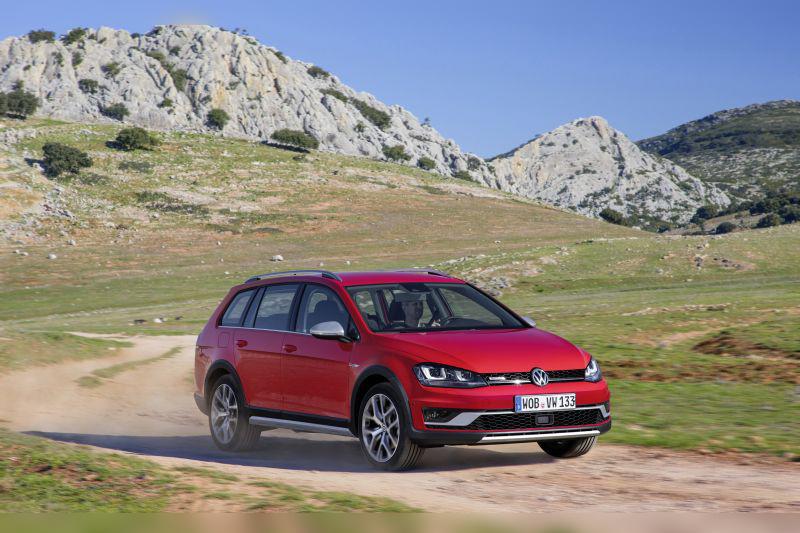
2.0 TDI (CRMB, DCYA, DEJA, CRLB) 150 HP – Experiences, problems, fuel consumption and used car buying guide
Key points (TL;DR)
- Water pump: This is the “Achilles’ heel” of this engine. It often seizes or leaks long before the scheduled timing belt service interval.
- Drive: Uses a timing belt, not a chain. It’s recommended to shorten the replacement interval.
- AdBlue system: Most of these variants (Euro 6) have AdBlue. The heater in the tank and the pump are common (and expensive) failure points.
- Reliability: Overall a very robust unit (EA288 series), significantly better than the older PD engines.
- 4MOTION maintenance: Don’t forget that the Golf Alltrack has all-wheel drive, which requires regular oil changes in the Haldex coupling.
- Fuel consumption: Slightly higher than a regular Golf due to the heavier estate body, raised ground clearance and 4x4 drivetrain.
Contents
- Introduction and applications
- Technical specifications
- Reliability and maintenance
- Specific components (Costs)
- Fuel consumption and performance
- Additional options and modifications
- Gearbox and drivetrain
- Buying used and conclusion
Introduction and applications
The engine we’re talking about today belongs to Volkswagen’s EA288 diesel family. This is the modern “workhorse” of the VW Group, the successor to the notorious EA189 series (known from the Dieselgate scandal). The specific codes CRMB, DCYA, DEJA, CRLB refer to 150 HP (110 kW) variants optimized for Euro 6 standards. When installed in the Volkswagen Golf VII Alltrack, it gives the car the character of a truly versatile vehicle. Due to the raised ground clearance and 4MOTION all-wheel drive, this engine has to cope with more aerodynamic drag and higher weight than in a standard Golf, which puts its durability to a more serious test.
Technical specifications
| Specification | Data |
|---|---|
| Engine displacement | 1968 cc (2.0 litres) |
| Power output | 110 kW (150 HP) |
| Torque | 340 Nm at 1750–3000 rpm |
| Engine codes | CRLB, CRMB, DCYA, DEJA |
| Injection type | Common Rail (Bosch/Continental) |
| Charging | Turbocharger with variable geometry (VGT) + intercooler |
| Emission standard | Euro 6 (most with AdBlue system) |
Reliability and maintenance
Timing belt or chain?
This engine uses a timing belt to drive the camshafts. This is good news for many, as modern belts are quieter and cheaper to replace than the complex chains that plagued some older VW engines. The system is reliable, but it does not tolerate delayed servicing.
Major service and water pump
The factory interval for timing belt replacement is often optimistically set at 210,000 km. However, as an experienced editor, I advise you to ignore that. Do the major service at a maximum of 150,000 to 160,000 km or 5–7 years of age.
The main reason for earlier servicing is not the belt snapping, but the water pump. EA288 engines use a variable-flow pump (it has a “sleeve” that moves over the impeller). This mechanism often gets stuck, which leads to engine overheating, or the pump simply starts leaking. If you notice loss of coolant or sudden temperature spikes, check the pump immediately.
Oil consumption and service intervals
This engine takes approximately 4.7 to 5.5 litres of oil (depending on the exact engine code and filter). You must use 5W-30 or 0W-30 oil that meets the strict VW 507.00 specification (Low SAPS because of the DPF).
As for oil consumption, these engines are much better than older generations. Consumption of 0.5 to 1 litre per 10,000 km is considered completely normal and acceptable, especially if the car is driven on motorways at higher speeds. If it uses more than that, the turbo or piston rings should be checked.
Injector longevity
The injectors on these engines (usually Bosch solenoid, although some codes use piezo) have proven to be very durable. Unlike the old “Pumpe-Düse” systems or early Siemens piezo injectors, these can easily cover 250,000 km and more with good-quality fuel. Symptoms of failure are rough idle (“hammering” sound) and increased fuel consumption, but that is rare at lower mileages.
Specific components (Costs)
Dual-mass flywheel
Yes, this engine, especially combined with the substantial 340 Nm of torque, uses a dual-mass flywheel. Its lifespan depends directly on driving style. On average it lasts between 180,000 and 250,000 km. With DSG gearboxes it can last longer than with manuals, because the computer “smooths out” driver errors. A metallic “clunking” noise when switching the engine off, or vibrations at idle, are signs it needs replacing. Replacement cost is high (varies by market).
Turbocharger and EGR/DPF/AdBlue
The engine uses a single turbocharger with variable geometry. The turbo is reliable if oil changes are done on time (tip: change the oil every 10–15,000 km, not at 30,000 km as the “Long Life” regime suggests). With good maintenance, the turbo’s lifespan usually matches that of the engine.
EGR valve and DPF filter: In the Golf Alltrack, which is often driven on open roads, the DPF rarely causes issues before 250,000 km. However, city driving kills it. The EGR valve is prone to clogging with soot. These parts are expensive to replace.
AdBlue: Most variants (CRLB, DCYA...) in the Alltrack use AdBlue (SCR catalyst) to meet Euro 6. This is a sensitive area. The heater in the AdBlue tank or the pump itself often fails. Repair usually requires replacing the entire tank module, which is very expensive (varies by market). If the AdBlue warning light comes on, don’t ignore it, because the car may refuse to start once the countdown reaches zero.
Fuel consumption and performance
Is 150 HP enough for the Alltrack?
The Golf Alltrack is heavier than the regular estate due to the 4MOTION system and reinforcements. Even so, 150 HP and 340 Nm are a “sweet spot”. The engine is not a racer, but it’s not “lazy” either. It moves the body very nicely, overtaking is safe, and it tackles climbs without effort. It’s not as explosive as the 184 HP version (GTD engine), but for normal family use it’s ideal.
Real-world fuel consumption
- City driving: Expect between 7.0 and 8.5 l/100 km. The 4MOTION system and weight take their toll here, especially in winter when the oil in the differentials offers more resistance while cold.
- Open road (secondary roads): This is where the engine shines, with consumption dropping to 5.0–6.0 l/100 km.
- Motorway (130 km/h): At this speed, in top gear, the engine spins at a comfortable 2,100–2,200 rpm. Consumption is around 6.0–6.8 l/100 km, depending on load and whether you have a roof box.
Additional options and modifications
Chiptuning (Stage 1)
This 2.0 TDI responds very well to remapping. Since it is hardware-wise very similar to more powerful versions, a Stage 1 remap safely raises power to about 185–195 HP and torque to 400–420 Nm. This significantly changes the character of the car, especially in-gear acceleration.
Warning: Increasing power puts additional stress on the dual-mass flywheel and clutch (on manuals) or the DSG gearbox. If you decide to do this, shorten service intervals and be aware of the risks to the turbo and DPF.
Gearbox and drivetrain
Types of gearbox
With this engine in the Alltrack you get two options:
- Manual gearbox (6-speed): Precise and robust. Failures are rare and mostly come down to replacing the clutch kit and flywheel. The cost is average for this class (moderately expensive).
- DSG automatic gearbox (6 or 7-speed): Depending on the model year, it can be a DQ250 (6-speed, wet clutch) or the newer DQ381 (7-speed, wet clutch). Both are excellent, but require maintenance.
Gearbox and 4MOTION system maintenance
For DSG gearboxes, oil and filter changes are mandatory every 60,000 km. If this is not done, the mechatronics (the gearbox “brain”) and clutch packs suffer, leading to jerks when moving off and costly repairs.
Haldex coupling (4MOTION): This is crucial for the Alltrack! The all-wheel drive is realised via a 5th-generation Haldex coupling. It also has oil that must be changed. The factory often says “every 3 years”, but the recommendation is no more than 40,000–60,000 km. If the strainer on the Haldex pump clogs, you lose drive to the rear wheels, and you might not even notice until you get stuck in snow. The Haldex pump often burns out in that case.
Buying used and conclusion
Before buying a Golf Alltrack with this engine, make sure to check the following:
- Coolant: Look at the expansion tank. Is the coolant clean? Some models have a silicone bag in the tank (“silicate”) that can burst and clog the heating system. Also, any traces of leakage around the water pump are a red flag.
- Flywheel noise: Listen carefully when starting and switching off a cold engine.
- Haldex test: On a slippery surface or grass, set off briskly. If the front wheels spin freely and the rear don’t engage, the 4MOTION isn’t working (common pump failure).
- DSG service history: If there is no proof of oil changes in the gearbox every 60k km, skip that car.
Conclusion: The Volkswagen Golf VII Alltrack 2.0 TDI (150 HP) is one of the most versatile cars on the market. The engine is powerful enough, economical and long-lasting, provided it has been properly maintained (especially the water pump and timing belt). It is ideal for families living in hilly areas or those who enjoy active holidays but don’t want a bulky SUV. Maintenance is not as cheap as with a regular Golf 1.6 TDI, but its versatility and performance justify the cost.
Was this content useful to you?
Your opinion helps us to improve the quality of the content.