EA888 / CXBA, CNSA Engine
- Engine
- 1798 cm3
- Aspiration
- Turbocharger, Intercooler
- Fuel
- Petrol (Gasoline)
- Fuel injection system
- Direct injection
- Power
- 170 hp @ 4500 rpm
- Torque
- 250 Nm @ 1600 rpm
- Cylinders
- 4
- Valves
- 16, 4 per cylinder
- Cylinders position
- Inline
- Valvetrain
- DOHC
- Oil capacity
- 5.7 l
- Systems
- Start & Stop System
# Vehicles powered by this engine
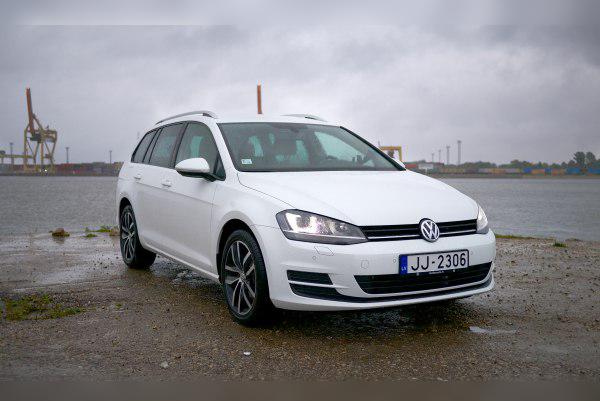
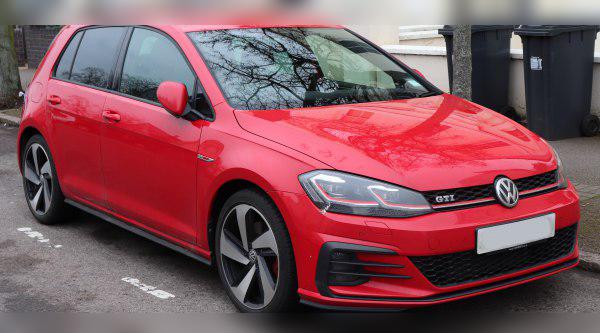
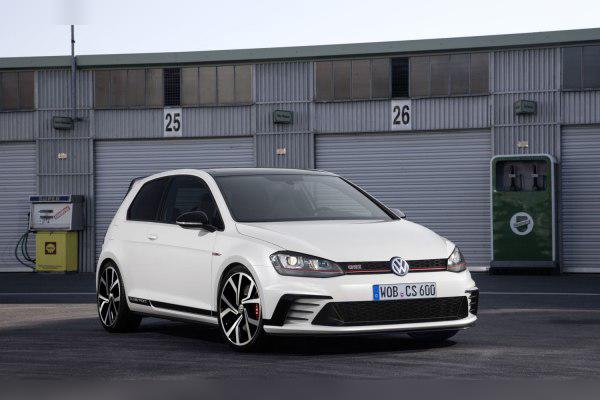
1.8 TSI (EA888 Gen 3) – Experiences, problems, fuel consumption and used-car buying guide
The 1.8 TSI engine from the EA888 (Generation 3) family is the golden middle in the Volkswagen Golf VII lineup. It offers significantly better performance than the common 1.4 TSI, while being cheaper to maintain and register than the famous 2.0 TSI from the GTI models. Although it carries the notorious EA888 name (which in the previous generation was synonymous with enormous oil consumption), this third generation (codes CXBA, CNSA) has been thoroughly re-engineered and is far more reliable. Still, like any complex turbocharged petrol engine, it has its quirks you must know about before buying.
1. The most important in short (TL;DR)
- Timing drive: Uses a chain. The system is improved compared to older versions, but still requires inspection after 150,000 km.
- Oil consumption: Drastically reduced compared to Gen 2 engines (2008–2012), but still present with aggressive driving.
- Biggest weakness: Thermostat module and water pump (plastic housing) often crack and leak.
- Performance: Excellent balance of power and torque, a true sleeper car.
- Gearbox: Often paired with the DSG gearbox (DQ200), which can be more sensitive than the engine itself.
- Recommendation: An excellent choice for those who want “GTI-in-the-making” performance, but with a more discreet look and a lower price.
Contents
- Technical specifications
- Reliability and maintenance
- Specific parts (costs)
- Fuel consumption and performance
- Additional options and modifications
- Gearbox
- Buying used and conclusion
Technical specifications
| Parameter | Data |
|---|---|
| Displacement | 1798 ccm (1.8 L) |
| Power | 125 kW (170 hp) |
| Torque | 250 Nm (at 1250–5000 rpm) |
| Engine codes | EA888 Gen 3 (CXBA, CNSA and related) |
| Injection type | Direct (TSI) + Port (MPI) *Depends on market |
| Charging | Turbocharger + intercooler |
| Camshaft drive | Chain |
Reliability and maintenance
Chain or belt?
This engine uses a timing chain. Unlike older 1.8 TSI engines where the chain was a “ticking time bomb”, on the Golf VII (Gen 3 engines) the tensioner system and the chain itself are much more robust. However, the chain is not eternal. It is recommended to check its condition (stretch) via diagnostics or visually during an inspection after 150,000 km. If you hear rattling on cold start that lasts longer than 2–3 seconds, that is a sign for urgent replacement.
Most common failures
Although more reliable than its predecessor, the 1.8 TSI has several specific weak points:
- Thermostat module and water pump: This is the Achilles’ heel of this engine. The housing is made of plastic which deforms over time due to heating and cooling cycles, leading to coolant leaks. Symptoms are disappearing coolant or a sweet smell of vapour under the hood.
- PCV valve (oil vapor separator): When the membrane in this valve tears, the engine may start consuming oil, run rough at idle, or even blow out the crankshaft seal due to pressure. This is a relatively cheap repair if addressed in time.
- Carbon buildup: Although European versions often have combined injection (injectors both in the intake and in the cylinder) which helps clean the valves, versions for some markets (such as those with CXBA/CNSA codes, common in the US but also imported into Europe) may have only direct injection. On those, intake valves need to be cleaned (“walnut blasting”) at around 100,000 km.
Service intervals and oil
The major service (chain replacement) is not prescribed at a fixed interval, but is done “based on condition”; in practice this is usually between 150,000 and 200,000 km. Minor service (oil and filters) should be done at a maximum of 10,000–15,000 km or once a year. Forget about “Long Life” 30,000 km intervals if you want the engine to last.
Oil capacity: The engine takes approximately 5.7 liters of oil. The recommended grade is usually 5W-30 or 0W-20 (VW 504.00 / 507.00 or newer 508.00 specification; always check the manual for the specific vehicle).
Oil consumption
The third generation of EA888 engines solved the bad piston ring issue that destroyed engines before 2012. Still, turbo engines tend to “drink” a bit of oil. Consumption of 0.5 liters per 5,000 km is considered acceptable. If it uses a liter per 1,000 km, you have a problem (turbo, PCV valve or worn rings at high mileage).
Spark plugs
Since this is a turbocharged petrol engine with direct injection, the spark plugs are under high thermal load. Replacement is recommended every 60,000 km. Use only iridium spark plugs specified by the manufacturer (e.g. NGK or Bosch) to avoid misfires.
Specific parts (costs)
Dual-mass flywheel
Yes, this engine has a dual-mass flywheel, regardless of whether it is paired with a manual or automatic (DSG) gearbox. Its role is to dampen engine vibrations. Failure symptoms are metallic “clattering” noises at idle and jerking when taking off or shutting the car down. Replacement is expensive (depends on market).
Turbocharger and injection
The engine uses a single IS12 turbocharger (smaller than the one in the GTI model). This turbo is designed for quick response (no turbo lag). It is very reliable with regular oil changes and proper cooldown after spirited driving. Its lifespan is often over 200,000 km.
The injection system is high-pressure. The injectors are generally reliable, but sensitive to poor fuel quality. Replacing a single injector is expensive (depends on market).
Emissions equipment (DPF, EGR, AdBlue)
Good news: This is a petrol engine, so it has no DPF filter and no AdBlue system. Also, petrol engines of this type do not have a classic EGR valve that clogs with soot like on diesels (they use variable valve timing for that purpose). However, newer models (late 2018 and onwards) may have a GPF (gasoline particulate filter), but it rarely clogs because petrol exhaust gases are hotter and regenerate it more easily.
Fuel consumption and performance
Real-world fuel consumption
Do not trust the factory figures. In reality:
- City driving: Expect between 8.5 and 11 liters/100 km, depending on traffic and how heavy your right foot is.
- Open road: This is where the engine shines. At 80–90 km/h consumption drops to around 5.5–6 liters.
- Highway: At 130 km/h it uses about 7–7.5 liters.
Is the engine “lazy”?
Absolutely not. With 170 hp and 250 Nm available from as low as 1250 rpm, a Golf VII with this engine is very agile. It reaches 100 km/h in about 7.5–8 seconds (depending on body style). This is an engine that drives effortlessly and has enough power in reserve for overtaking without the need for frequent downshifts.
Highway driving
At 130 km/h in the highest gear (6th or 7th with DSG), the engine spins at a low 2,200 to 2,400 rpm. This makes highway driving quiet and comfortable for long trips.
Additional options and modifications
LPG conversion
This is a direct-injection engine (FSI/TSI). LPG conversion is possible, but expensive and complicated. A special system is required (“Direct Liquid” type or a system that also uses some petrol to cool the injectors). Considering the installation cost (very high), it only makes financial sense if you cover huge mileages (over 30–40k km per year).
Chip tuning (Stage 1)
EA888 Gen 3 engines are a “tuner’s paradise”. This engine is factory detuned. A safe Stage 1 remap can raise power to 210–220 hp and torque to 320–350 Nm. The car turns into a “GTI killer”.
WARNING: If you have a manual gearbox, the clutch will start slipping soon after the remap. If you have a 7-speed DSG (DQ200), it is factory-limited to 250 Nm. Tuning requires a gearbox remap as well (TCU tune), but you risk gearbox failure because the dry clutches cannot handle high torque.
Gearbox
Manual vs automatic
With this engine there are two main options:
- Manual gearbox (5 or 6 speeds): Very precise and reliable. The only major expense is a clutch kit and dual-mass flywheel. An oil change in the gearbox is recommended at around 100,000 km, even though VW claims it is “lifetime fill”.
- DSG (DQ200 – 7 speeds): This is a gearbox with a dry clutch. It is known for fast shifting, but also for mechatronic failures and premature clutch wear, especially in stop-and-go city driving.
Gearbox maintenance
- Manual: Oil change is not strictly prescribed, but do it as a preventive measure.
- DSG (DQ200): Officially it is “sealed for life” (no maintenance), but enthusiasts change the oil in the mechatronics and gearset. If it is a Golf Alltrack (4x4), it likely has a DQ250 (6 speeds, wet clutch), where oil and filter changes are MANDATORY every 60,000 km.
Buying used and conclusion
When buying a Golf with the 1.8 TSI engine, pay attention to the following:
- Cold start: The engine must start immediately, without long cranking and without chain rattle.
- Signs of leaks: Look under the intake manifold for whitish or pink traces (thermostat leakage).
- Test drive: If it is a DSG, the car should start moving as soon as you release the brake, without jerks. Acceleration must be linear.
Final conclusion
VW Golf VII 1.8 TSI (170 hp) is probably the best “civilian” petrol engine in the range. It offers 80% of the GTI fun with significantly lower ownership costs and more discretion. If you find an example that has been regularly serviced (oil changed on time) and has no issues with the water pump, it is a fantastic purchase. Avoid cars with dubious history or those that have been amateurishly tuned.
Was this content useful to you?
Your opinion helps us to improve the quality of the content.