CLHB, CRKA, CXXA, DDYB Engine
- Engine
- 1598 cm3
- Aspiration
- Turbocharger, Intercooler
- Fuel
- Diesel
- Fuel injection system
- Diesel Commonrail
- Power
- 90 hp
- Torque
- 230 Nm
- Cylinders
- 4
- Cylinders position
- Inline
- Oil capacity
- 4.7 l
# Vehicles powered by this engine
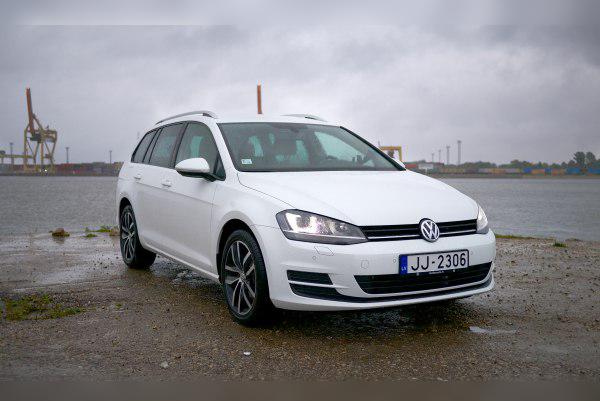
1.6 TDI (90 HP) CLHB, CRKA, CXXA, DDYB – Experiences, problems, fuel consumption and maintenance
Key points in short (TL;DR)
- Economy over performance: This is a frugal engine, ideal for taxi drivers and sales reps, but in the estate (Variant) version it can feel sluggish under load.
- Water pump: The "Achilles' heel" of this engine. It has a variable housing that often gets stuck, which leads to overheating.
- Dual-mass flywheel: Good news – versions with the 5-speed manual gearbox often come with a solid flywheel (check by VIN), which significantly reduces maintenance costs.
- Injection system: The EA288 series (which includes these codes) has solved many injector issues that its predecessor (1.6 TDI Siemens) had; now it mostly uses Bosch or Delphi solenoid injectors.
- DPF and EGR: Like any modern diesel, it is sensitive to city driving. The EGR cooler is prone to coolant leaks.
- Recommendation: An excellent choice for drivers who cover a lot of highway mileage and want minimal fuel consumption.
Article contents
Introduction: The Volkswagen Group workhorse
The engine we are talking about today belongs to the EA288 diesel family. It is the successor to the infamous EA189 engine (known for the "Dieselgate" scandal and its sensitive Siemens injectors). The specific codes CLHB, CRKA, CXXA and DDYB refer to the 90 horsepower variant, which is the entry-level diesel option for the Volkswagen Golf VII, especially in the Variant (estate) body style.
This engine was designed with one goal: efficiency and low exhaust emissions. Although 90 HP sounds modest by today’s standards, 230 Nm of torque makes it usable in everyday traffic. It is important to note that the codes differ by production year and emissions standard (Euro 5 vs Euro 6), but the mechanical base is very similar.
Technical specifications
| Specification | Data |
|---|---|
| Displacement | 1598 cc (1.6 L) |
| Power | 66 kW / 90 HP |
| Torque | 230 Nm at 1400–2750 rpm |
| Engine codes | CLHB, CRKA, CXXA, DDYB |
| Injection type | Common Rail (Bosch/Delphi) |
| Charging | Variable geometry turbocharger (VGT) + intercooler |
| Valves | 16 valves (DOHC) |
Reliability and maintenance
Timing belt or chain?
These engines use a timing belt to drive the camshafts. This is good news because the system is quieter and generally more predictable than a chain. However, there is also a small oil pump belt that runs in oil (a "wet belt"), but it rarely causes issues if the oil is changed regularly.
Major service (timing belt service)
The factory recommendation for timing belt replacement is often optimistic (up to 210,000 km for some markets). As a technical editor, I advise you to ignore that. A realistic interval for safe operation is between 150,000 and 160,000 km or 5 to 7 years of age. A snapped belt means catastrophic engine damage.
Most common failures
The biggest problem of the EA288 series is the water pump. It has a variable housing (flap) that moves to help the engine warm up faster. This flap often gets stuck in the closed position, which leads to engine overheating. The symptom is the temperature rising above 90°C under load. It is recommended to replace the pump together with the timing belt service, but unfortunately it often fails even earlier.
Another common issue is coolant leakage from the thermostat housing or the EGR cooler. If you are losing coolant and there is no puddle under the car, the engine is probably "eating" it through the EGR system.
Oil and oil consumption
The engine takes approximately 4.6 to 5 litres of oil (depending on whether the filter is changed; always buy 5L). You must use 5W-30 or 0W-30 oil with the VW 507.00 specification (Low SAPS because of the DPF). Oil consumption on these engines is generally low. Anything up to 0.5 litres per 10,000 km is completely acceptable. If it consumes more, the problem is usually in the turbocharger or piston rings (on high-mileage engines).
Injectors
Unlike the older 1.6 TDI engines, this generation mostly uses Bosch (solenoid) systems which have proven to be very durable. The injectors easily cover 250,000+ km with good-quality fuel. They can be overhauled, and the repair is cheaper than with piezo injectors.
Specific parts (costs)
Dual-mass flywheel
This is one of the biggest advantages of the 90 HP version. If the car is equipped with a 5-speed manual gearbox, there is a high chance it has a solid (single-mass) flywheel. This drastically reduces the cost of clutch kit replacement. However, versions with a DSG gearbox or 4Motion drivetrain (if available with this power output) always have a dual-mass flywheel. Note: Always check by VIN, as there are exceptions depending on the market.
Turbocharger
The engine has a single variable geometry turbocharger. It is not particularly failure-prone, but it is sensitive to switching off a hot engine immediately after fast driving. Its lifespan is usually equal to the engine’s lifespan with proper maintenance, but the turbo actuator (the electronic part) can fail earlier.
DPF, EGR and AdBlue
The DPF filter is standard and works well on the open road. In city driving it clogs quickly. Passive regeneration occurs frequently. The EGR valve is integrated with the cooler and is located at the back of the engine (hard to access). Soot mixed with condensation can cause it to stick. AdBlue: Engine codes that meet stricter Euro 6 standards (e.g. CXXA, DDYB) likely use an AdBlue system. This is an additional cost and a potential source of problems (AdBlue pump heaters, NOx sensors). Older Euro 5 models (CLHB) do not have AdBlue.
Fuel consumption and performance
City driving and "sluggishness"
In city driving (Vienna, Berlin, or any large city with heavy traffic), real-world fuel consumption is between 5.5 and 6.5 l/100 km. The start-stop system helps. Is the engine sluggish? Yes. In the Golf 7 estate body, 90 HP struggles when the car is fully loaded with passengers and luggage. The 0–100 km/h sprint takes about 13 seconds, which requires patience when merging onto fast roads.
Motorway
This is the natural habitat of this engine, but within speed limits. At 130 km/h in 5th gear (if it’s a manual), the engine spins at about 2300–2500 rpm. Fuel consumption is then around 5.0–5.5 l/100 km. It lacks a 6th gear for lower revs and more quiet cruising, which the more powerful 105/110 HP versions have. Overtaking on the motorway requires planning and downshifting.
Additional options and modifications
Remapping (Stage 1)
This is one of the best engines for a remap. Why? Because the 90 HP version is a software-detuned variant of the more powerful 105/110 HP engine. It can safely be taken to 130–140 HP and about 300 Nm of torque. This completely changes the character of the car – it finally "breathes", fuel consumption often drops (because you use less throttle), and overtaking becomes much safer. Note: Always have this done by reputable tuners. If you have a solid flywheel, be moderate with low-rpm torque to avoid clutch slip.
Gearbox
Options and issues
The following gearboxes are most commonly paired with this engine:
- 5-speed manual (MQ250): Very reliable and precise. An oil change in the gearbox is not officially prescribed, but it is recommended every 100,000 km. Failures are rare and mostly related to the clutch kit.
- 7-speed DSG (DQ200): This is a dry-clutch gearbox. It offers comfort but is more sensitive. In heavy city traffic ("stop-and-go"), the clutch packs wear out faster. The mechatronics unit (the gearbox brain) is an expensive component that can fail.
Gearbox service costs
For the manual gearbox, the only cost is the oil (2–3 litres). For the DSG DQ200, VW claims it is "sealed for life", but experts recommend changing the oil in the mechatronics and gear section every 60,000–80,000 km. DSG repairs are expensive (depending on the market, expect a serious bill).
Buying used and conclusion
Before buying a Golf 7 with this engine, make sure you do the following:
- Check the coolant reservoir: If the level is low or there are limescale marks around the cap, suspect the water pump or EGR cooler.
- Listen to the engine when cold: Rough running or metallic knocking can indicate injector problems (although less often than before).
- DPF diagnostics: Check the soot mass and differential pressure.
- Test drive: Put it in 4th or 5th gear at low revs and floor the throttle. If the revs rise but the car doesn’t accelerate, the clutch is near the end of its life.
Final conclusion
The VW 1.6 TDI (90 HP) is a rational choice. It is not fun, it is not fast, but it is a champion of fuel economy and is generally more reliable than the older versions. It is ideal as a second family car, a car for beginners, or for those who cover high annual mileage on the open road and want low running costs. If you can choose, the manual gearbox is a financially safer option than a used DSG at this mileage.
Was this content useful to you?
Your opinion helps us to improve the quality of the content.