CDLA Engine
- Engine
- 1984 cm3
- Aspiration
- Turbocharger, Intercooler
- Fuel
- Petrol (Gasoline)
- Fuel injection system
- Direct injection
- Power
- 265 hp @ 6000 rpm
- Torque
- 350 Nm
- Cylinders
- 4
- Valves
- 16, 4 per cylinder
- Cylinders position
- Inline
- Valvetrain
- DOHC
- Oil capacity
- 4.6 l
# Vehicles powered by this engine
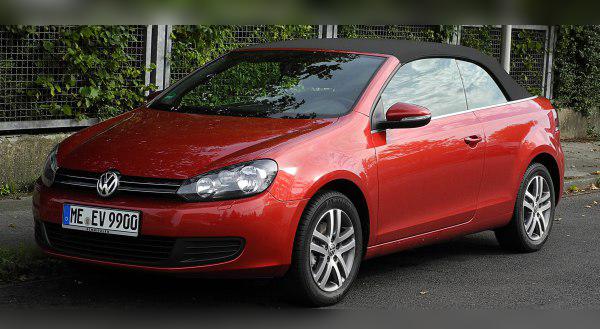
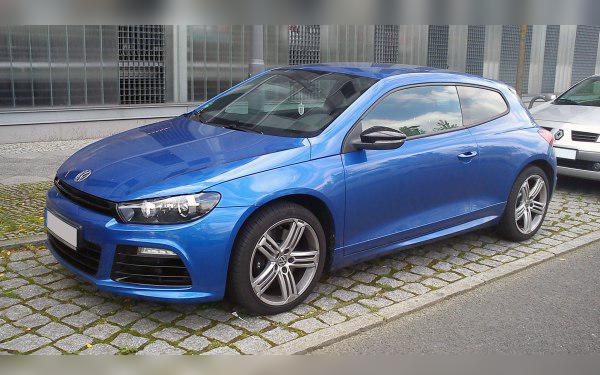
CDLA 2.0 TSI (265 HP): Experiences, Issues, Fuel Consumption and Maintenance – Buying Guide
Key points (TL;DR)
- Old guard (EA113): Unlike the standard Golf 6 GTI, this engine (CDLA) uses a timing belt, not the problematic chain from the first-generation EA888 engines. That’s good news.
- Performance: With a larger K04 turbocharger, this is a serious unit that offers explosive power and huge tuning potential.
- Achilles’ heel: High-pressure fuel pump cam follower. It must be checked regularly or disaster follows.
- Oil consumption: It’s present, but usually to a lesser extent than on newer EA888 engines. Still, a small can of oil in the trunk is a must.
- Maintenance: Requires strict maintenance, quality oil and regular spark plug changes. This is not an engine for people who cut corners on servicing.
- Conclusion: One of the best 2.0 turbo engines of its era, if you keep an eye on its specific weak points.
Contents
- Introduction and applications
- Technical specifications
- Reliability, Maintenance and Failures
- Specific components and Fuel injection system
- Fuel Consumption and Performance
- Additional options and Modifications (Tuning)
- Gearbox (DSG and Manual)
- Buying used and Conclusion
Introduction: The heart of the “R” models
The engine with the code CDLA belongs to the famous EA113 engine family. Although it was installed in Golf 6 generation cars (such as the Scirocco R and Golf 6 R Cabrio), it is actually a technologically “older” but more robust relative of the engine from the Golf 5 GTI Edition 30. For its most powerful “R” models of that period, Volkswagen kept this engine block because it was more proven and more durable at high power levels than the then-new but problematic chain-driven EA888 engine.
This powerplant is synonymous with performance in the compact class. With 265 horsepower, it turns the Scirocco and Golf Cabrio into serious sports machines. Drivers love it for its “wild” turbo lag and sudden hit of power, which makes it more fun than the more linear newer engines.
Technical specifications
| Characteristic | Data |
|---|---|
| Engine code | CDLA |
| Displacement | 1984 cc (2.0 L) |
| Power | 195 kW (265 HP) @ 6000 rpm |
| Torque | 350 Nm @ 2500–5000 rpm |
| Configuration | Inline 4-cylinder, 16-valve |
| Injection system | Direct injection (FSI/TSI) |
| Forced induction | Turbocharger (BorgWarner K04) + intercooler |
| Camshaft drive | Timing belt (with a small chain for camshaft synchronization) |
Reliability and Maintenance
Timing belt or chain?
This is the most common misconception. The CDLA engine has a timing belt that drives the exhaust camshaft. However, there is also a small chain on the other side of the engine that connects the exhaust and intake camshafts. So you have both, but the main timing drive is by belt.
This is good news because this system does not suffer from the catastrophic chain stretching that plagued standard Golf 6 GTI models (CCZB engine). Still, the small chain and its tensioner can become noisy (rattling) at higher mileage and should be checked if the engine starts sounding like a diesel.
Major service
The factory recommendation for timing belt replacement is often optimistic (180,000 km). From an experienced editor’s perspective, you should do the full timing service every 90,000 km to a maximum of 120,000 km or every 5 years. A snapped belt leads to piston-to-valve contact, which is a complete engine disaster. Along with the belt, the water pump, tensioners and idler pulleys must be replaced.
Most common issues
With CDLA engines, drivers need to pay attention to the following specific problems:
- Cam follower (high-pressure fuel pump tappet): This is critical weak point number one. The follower sits between the camshaft and the high-pressure fuel pump. It wears out over time. If it wears through, the pump rides directly on the camshaft lobe, which destroys the camshaft and sends metal shavings into the engine. Symptoms: Often none until it’s too late, sometimes loss of power. Recommendation: Physical inspection (removal) every 20,000–30,000 km. The part is cheap, the damage is huge.
- PCV valve (oil separator): The membrane often tears. Symptoms: Rough idle, whistling noise from the engine, increased oil consumption.
- Diverter valve (DV): The valve that controls turbo pressure. Older versions with a rubber diaphragm tend to tear. It’s recommended to install the newer piston-type version (Revision D or G). Symptoms: Loss of power, the engine doesn’t pull as it should.
Oil: Capacity and consumption
This engine takes approximately 4.6 liters of engine oil. A full synthetic 5W-30 or 5W-40 oil that meets VW 504.00 / 507.00 (or 502.00 for fixed intervals) specifications is recommended. For more aggressive driving and warmer climates, 5W-40 is the better choice.
Does it burn oil? Yes. All TSI engines consume some oil. On the CDLA, consumption of 0.3 to 0.5 liters per 1,000 km can be considered within factory tolerance, but a healthy engine shouldn’t exceed 1–1.5 liters per 10,000 km. If it uses a liter per 1,000 km, the piston rings or turbo are likely in trouble.
Spark plugs and coils
Since this is a high-performance turbo petrol engine, the spark plugs are under heavy thermal load. Replace them every 40,000 to 60,000 km. If the engine is chipped (tuned), the interval drops to 20,000–30,000 km and “colder” plugs are used (e.g. NGK BKR7EIX). Coils (the popular red R8 coils are a common upgrade) also tend to fail, causing misfires.
Specific Components (Costs)
Dual-mass flywheel
Yes, the CDLA engine always comes paired with a dual-mass flywheel, whether it’s with a manual or DSG gearbox. Its role is to absorb strong vibrations and the 350 Nm of torque. The flywheel is a wear item – it usually lasts between 100,000 and 150,000 km, depending on driving style. Replacement is expensive (depends on the market, but expect a serious bill).
Fuel injection system and injectors
It uses high-pressure direct fuel injection. The injectors themselves are generally reliable, but can get dirty from poor-quality fuel. A much bigger issue with direct injection is carbon buildup on the intake valves. Since fuel does not “wash” the valves, carbon deposits accumulate and choke the engine. Symptoms: Rough running when cold, poorer throttle response. Cleaning (so-called walnut shell blasting or chemical cleaning) is needed every 80,000–100,000 km.
Turbocharger
The CDLA uses a larger and more robust BorgWarner K04-064 turbocharger (compared to the K03 on the regular GTI). This turbo is very durable and capable. With regular oil changes and proper cooldown after hard driving, its lifespan is often over 200,000 km. Rebuilding is possible, but the K04 is more expensive than standard turbos.
DPF, EGR and AdBlue
Being a petrol engine, it does not have a DPF filter or AdBlue system. It also doesn’t use a classic EGR valve that clogs with soot like on diesels (it uses variable valve timing for internal exhaust gas recirculation). That’s one less thing to worry about, but catalytic converters can fail if the engine burns a lot of oil.
Fuel Consumption and Performance
City driving
Let’s be honest – buying an “R” model and worrying about fuel consumption don’t go together. In city traffic, the CDLA is thirsty. Expect real-world consumption between 11 and 14 liters per 100 km. If you have a heavy right foot, this figure easily goes to 16+ liters.
Open road and highway
On the highway things look better. At 130 km/h in 6th gear, the engine is relaxed (around 3,000 rpm, depending on the gearbox). Consumption is around 8 to 9.5 liters per 100 km. On country roads you can get it down to about 7.5 liters, but that requires a lot of self-control.
Is the engine “lazy”?
Absolutely not. With 265 HP and 350 Nm, this engine plays with the Scirocco or Golf Cabrio body. The K04 turbo has a slightly more pronounced turbo lag at low revs compared to smaller turbos, but once it spools up (above 2500–3000 rpm), the pull is brutal and linear all the way to the redline. Overtaking is almost instantaneous.
Additional Options and Modifications
LPG conversion
Technically possible, but economically and technically questionable. Due to direct injection, you need a sophisticated system that either injects liquid gas (very expensive) or a system that uses a mix of petrol and LPG (to cool the injectors). Given the complexity of the engine and its sporty purpose, LPG conversion is generally not recommended, as it can lead to overheating of the injectors and cylinder head.
Chip tuning (Stage 1)
This is the favorite discipline of CDLA owners. The engine is factory “detuned” and has huge reserves.
Stage 1 (software only): Safely raises power to 300–310 HP and torque to over 400 Nm. The engine handles this very well, provided it is mechanically sound (especially the fuel pump and clutch). The transformation in driving is dramatic.
Gearbox
Options and maintenance
There are two gearbox options with the CDLA:
- 6-speed manual gearbox: Precise and robust. The most common failure is the clutch kit, which cannot withstand aggressive launches for long, especially if the car is chipped. The cost of replacing the clutch and dual-mass flywheel is significant (expensive). Change the gearbox oil at 100,000 km, even though the factory calls it “lifetime”.
- 6-speed DSG (DQ250): This is a gearbox with “wet” clutches. Very fast and durable.
- Maintenance: Oil and filter changes in the DSG are MANDATORY every 60,000 km. If this is skipped, the mechatronic unit (the gearbox brain) fails, and repairs are very expensive.
- Failures: Besides the mechatronic unit, the dual-mass flywheel on DSG can be heard as a metallic knocking at idle (like someone shaking a bucket full of bolts).
Buying Used and Conclusion
What to check before buying?
- Chain noise: Even though it has a timing belt, listen for rattling on the right side of the engine (viewed from the front) – that’s the small camshaft chain.
- Cam follower history: Ask the owner when the cam follower was last replaced. If they don’t know what that is – walk away or immediately factor in a camshaft inspection.
- Cold start: The engine should settle into a smooth idle after a few seconds. Misfiring points to carbon buildup on the valves or bad injectors/coils.
- Smoke: Bluish smoke under hard acceleration or engine braking indicates worn piston rings or valve stem seals.
Final verdict
The CDLA 2.0 TSI engine is a gem for enthusiasts. It offers a better mechanical base for high power than the early EA888 engines. Yes, it demands attention (cam follower, timing belt), but in return it delivers performance that, even today, years later, can put many modern sports cars to shame. If you’re ready to pay for regular, high-quality maintenance and don’t obsess over fuel consumption, this is an engine that will put a smile on your face every time you step on the throttle.
Was this content useful to you?
Your opinion helps us to improve the quality of the content.