CDLF Engine
- Engine
- 1984 cm3
- Aspiration
- Turbocharger, Intercooler
- Fuel
- Petrol (Gasoline)
- Fuel injection system
- Direct injection
- Power
- 270 hp @ 6000 rpm
- Torque
- 350 Nm
- Cylinders
- 4
- Valves
- 16, 4 per cylinder
- Cylinders position
- Inline
- Valvetrain
- DOHC
- Oil capacity
- 4.6 l
# Vehicles powered by this engine
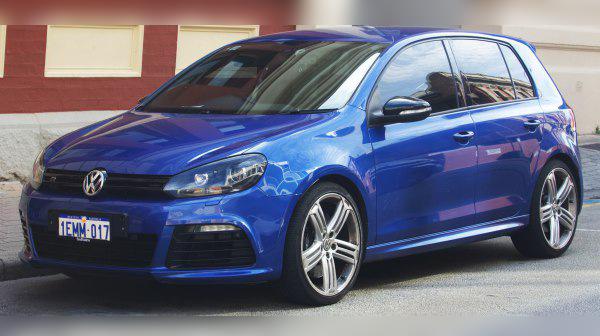
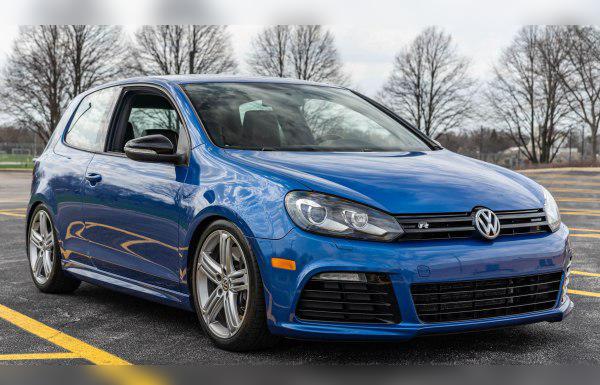
VW 2.0 TSI (CDLF) engine – ownership impressions, issues, fuel consumption and used-buying guide
Key points (TL;DR)
- Architecture: This is an EA113 engine (timing belt), not the newer EA888 (chain) found in the Golf 6 GTI. CDLF is “old school”, but reinforced.
- Performance: The K04 turbocharger delivers excellent performance and strong tuning potential; the engine is anything but lazy.
- Critical point: The high-pressure fuel pump cam follower must be checked regularly, as its failure destroys the camshaft.
- Drivetrain: Requires regular Haldex coupling (4MOTION) maintenance in addition to standard engine servicing.
- Fuel consumption: High in city driving; this is not an economical engine.
- Recommendation: An excellent choice for enthusiasts, but it demands strict and high-quality maintenance.
Contents
- Technical specifications
- Reliability and maintenance
- Specific components (costs)
- Fuel consumption and performance
- Additional options and modifications
- Gearbox and drivetrain
- Buying used and conclusion
Introduction: The heart of the Golf R
The CDLF engine is a gem from the Volkswagen Group from the late 2000s and early 2010s. It is best known for being fitted in the Volkswagen Golf VI R. It’s important to immediately point out a key difference: while the “regular” Golf 6 GTI used a newer engine generation (EA888 with a chain), for the top “R” model Volkswagen opted for a proven, older, but reinforced base (EA113). This means this engine shares its DNA with the Audi S3 (8P) and Seat Leon Cupra R. It’s an engine built to withstand abuse – but only if the owner treats it with respect.
Technical specifications
| Parameter | Data |
|---|---|
| Engine displacement | 1984 cc (2.0 L) |
| Power | 199 kW / 270 hp |
| Torque | 350 Nm |
| Engine code | CDLF (EA113 family) |
| Injection type | Direct injection (FSI/TSI) |
| Induction | Turbocharger (BorgWarner K04) + intercooler |
Reliability and maintenance
Belt or chain?
This is the most common misconception. The CDLF engine (EA113) has a timing belt that drives the exhaust camshaft and the water pump. However, it also has a small chain on the rear side of the engine that links and synchronizes the two camshafts. So you have both systems. The belt is more reliable than the chains on newer EA888 engines, but the camshaft chain can stretch and rattle, so it is also replaced preventively when major work is being done.
Most common failures
The CDLF is generally robust, but it has a few Achilles’ heels:
- High-pressure fuel pump cam follower: This is issue number one. The follower that sits between the camshaft and the fuel pump wears out. If it wears through completely, metal rubs on metal, which destroys the camshaft and the pump. Symptoms are loss of power and fuel pressure fault codes, but by then it’s usually too late. It is checked visually by removing the pump.
- PCV valve (oil separator): When the membrane tears, the engine idles roughly, you can hear a whistling noise, and oil consumption increases.
- Diverter valve (DV): The original valves with a rubber diaphragm often fail under turbo pressure. It is recommended to replace them with the revised piston-type version, which is more durable.
- Ignition coils: They often fail, especially if the engine is tuned. The engine starts to misfire (runs on 3 cylinders).
Service intervals and fluids
Major service: The factory often specifies longer intervals, but in practice the timing belt kit and water pump should be replaced at 90,000 to 120,000 km or every 5 years. Given that this is a high-performance engine, don’t risk extended intervals.
Oil: The engine takes about 4.6 liters of oil. Recommended viscosity is 5W-30 or 5W-40 (VW 504.00 or 502.00 standard). For more aggressive driving or hotter climates, 5W-40 is a better choice due to its stability at high temperatures.
Oil consumption: Yes, these engines do consume oil. Consumption of 0.3 to 0.5 liters per 1,000 km is unfortunately considered acceptable by factory standards, especially if driven hard. If it exceeds one liter per 1,000 km, that points to an issue with piston rings or the turbocharger. Always keep a can of oil in the trunk.
Spark plugs: On a stock engine they are replaced every 60,000 km. If the car is tuned (“Stage 1” or higher), the interval must be halved to 30,000 km, using “colder” plugs (e.g. NGK BKR7EIX).
Specific components (costs)
Dual mass flywheel: Yes, this engine uses a dual mass flywheel, regardless of whether it’s paired with a manual or DSG gearbox. The flywheel is subjected to high torque and falls into the “expensive” category (depending on the market). Failure symptoms include knocking at idle that disappears when you press the clutch (manual) or vibrations when shutting the engine off.
Fuel injection system: It uses direct injection. The injectors themselves are quite reliable, but their seals can dry out and start leaking. The main issue with direct injection is carbon buildup on the intake valves. Since fuel does not “wash” the valves, carbon deposits accumulate and choke the engine. Symptoms are weaker throttle response and rough running when cold. Cleaning is done mechanically (walnut shell blasting) every 80,000–100,000 km.
Turbocharger: The engine uses a single turbocharger, the BorgWarner K04 model. This is a larger turbo than on GTI models (K03). The K04 is an extremely durable and robust turbocharger. With regular oil changes and proper cooldown after driving, it can last as long as the engine itself. There are not two turbos.
Emissions (EGR/DPF/AdBlue):
- DPF: None, this is a petrol engine. It has a catalytic converter.
- AdBlue: None.
- EGR: This engine does not have the typical problematic EGR valve like diesels. It uses variable valve timing (VVT) to achieve an exhaust gas recirculation effect, so there is no valve that will clog with soot.
Fuel consumption and performance
Real-world fuel consumption: Be prepared for frequent fuel stops.
- City driving: Expect between 11 and 14 l/100 km. In heavy traffic and winter conditions, this easily goes above 15 liters.
- Highway / open road: With moderate driving it can drop to 8–9 l/100 km. Going below that is very difficult.
Is the engine lazy? Absolutely not. With 270 hp and 350 Nm available from low revs (around 2,500 rpm), this engine toys with the Golf 6 body. Thanks to the 4MOTION drivetrain there is no wheelspin, so standing starts are brutal (DSG “launch control” is impressive).
On the motorway: On the motorway the engine is very potent. Overtakes are effortless and frequent downshifts are not necessary. At 130 km/h in top gear (6th), the engine spins at about 3,000–3,200 rpm. This is somewhat higher than on diesels, which adds to the sporty feel but also to higher fuel consumption.
Additional options and modifications
LPG conversion: Technically possible, but very expensive and complicated. Since this is a direct injection engine (FSI/TSI), a special system is required (e.g. liquid LPG) that either uses petrol for injector cooling or injects gas directly through the petrol injectors. Considering the nature of the “R” model and the limited trunk space (reduced due to the 4MOTION system), LPG conversion is not recommended and can compromise performance.
Chiptuning (Stage 1): This engine is a legend in the tuning scene. Thanks to the K04 turbo and reinforced internals, it has huge potential.
- Stage 1: With a software remap alone, you can safely get 300–310 hp and over 400 Nm. The engine can handle this without any issues, provided it is in perfect condition before tuning.
Gearbox and drivetrain
The CDLF engine comes with two gearbox options:
- 6-speed manual gearbox: Very precise and durable. However, the stock clutch can be a weak point if the car is tuned. In that case, an uprated clutch kit (e.g. Sachs Performance) is needed. The cost of replacing the clutch kit together with the flywheel is high (expensive).
- 6-speed DSG (DQ250): This is a gearbox with “wet” clutches. Very fast and generally more reliable than the 7-speed “dry” DSG. The most common failure is the mechatronic unit (control unit), whose repair is very expensive. Oil changes in the DSG gearbox are mandatory every 60,000 km.
Important note for 4MOTION (Haldex): The Golf R uses a 4th-generation Haldex coupling for all-wheel drive. Many owners forget that the oil here must also be changed! Haldex oil should be replaced every 40,000 to 60,000 km. If neglected, the Haldex pump fails and you are left with front-wheel drive only.
Buying used and conclusion
Before buying a car with the CDLF engine, make sure to check:
- Chain noise: Listen to the rear of the engine when it’s cold. Rattling indicates an issue with the small camshaft chain or its tensioner.
- Cam follower history: Ask the owner when the cam follower for the fuel pump was last checked. If they don’t know what that is, be cautious.
- Haldex service: Check whether the rear drive is working (hard launch on a slippery/gravel surface).
- Diagnostics: Check for misfire codes (coils/spark plugs) and fuel pressure faults.
Conclusion: The VW Golf R with the CDLF engine is not a car for someone who wants to save on maintenance or fuel. This is a machine for enthusiasts, offering fantastic performance, excellent handling, and huge tuning potential. If you are ready to “feed” it with quality oil, fuel, and regular servicing, the CDLF will put a smile on your face every time you press the throttle. Otherwise, it can turn into a bottomless money pit.
Was this content useful to you?
Your opinion helps us to improve the quality of the content.