CBDC, CLCA Engine
- Engine
- 1968 cm3
- Aspiration
- Turbocharger, Intercooler
- Fuel
- Diesel
- Fuel injection system
- Diesel Commonrail
- Power
- 110 hp @ 4100 rpm
- Torque
- 250 Nm @ 1750 rpm
- Cylinders
- 4
- Valves
- 16, 4 per cylinder
- Cylinders position
- Inline
- Valvetrain
- DOHC
- Oil capacity
- 4.3 l
- Systems
- Particulate filter
# Vehicles powered by this engine
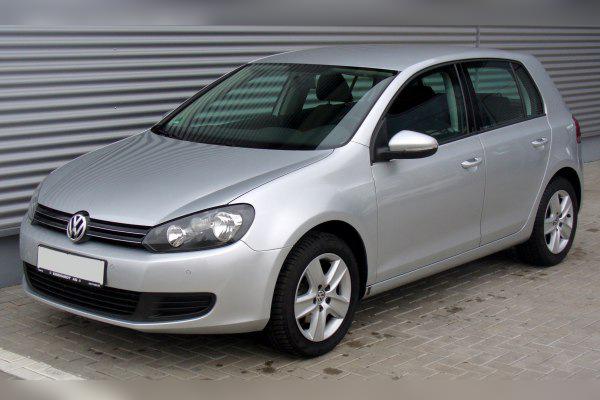
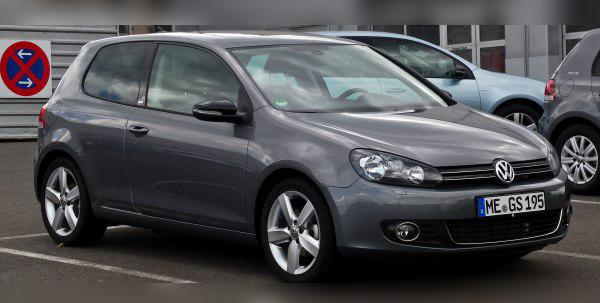
2.0 TDI (110 HP) CBDC / CLCA: Experiences, issues, fuel consumption and used car buying guide
Key points (TL;DR)
- Hidden gem: This is essentially a “detuned” version of the more powerful 2.0 TDI (140 HP), which means it’s mechanically less stressed and very long‑lasting.
- Common Rail technology: Unlike the older PD engines, this one runs quieter, smoother and has more reliable injectors.
- Timing belt: Uses a belt that requires regular replacement, not a chain.
- DPF and EGR: As with any modern diesel, these are the main failure points, especially in city driving.
- Chip tuning potential: Extremely suitable for Stage 1, as the hardware can handle significantly more power.
- Dual mass flywheel: It’s there, and it’s a standard maintenance cost at higher mileage.
- Recommendation: An excellent choice for those who want the reliability of the 1.9 TDI engine, but in a newer body and with Euro 5 emissions standard.
Contents
- Introduction and Models
- Technical Specifications
- Reliability and Maintenance
- Specific Parts and Costs
- Fuel Consumption and Performance
- Additional Options and Modifications
- Gearbox (Manual and DSG)
- Buying Used and Conclusion
Introduction: Why is this engine important?
When the Volkswagen Golf VI appeared, many buyers were confused by the presence of a 2.0 TDI engine with “only” 110 horsepower (engine codes CBDC and CLCA). This engine was introduced as a replacement for the legendary 1.9 TDI units and as an alternative to the smaller 1.6 TDI engine. Essentially, you get the block and durability of the larger engine, but with power reduced by software and partially by hardware in order to achieve lower fuel consumption and cheaper registration in some countries.
This is the first‑generation Common Rail diesel in the Golf 6, which means it solved most of the refinement issues that plagued the previous “Pumpe‑Düse” engines. It’s often called the ideal compromise for drivers who cover a lot of mileage.
Technical specifications
| Feature | Data |
|---|---|
| Engine displacement | 1968 cc (2.0 L) |
| Power | 81 kW (110 HP) |
| Torque | 250 Nm at 1500–2500 rpm |
| Engine codes | CBDC, CLCA |
| Injection type | Common Rail (CR) |
| Induction | Turbocharger (VGT) + intercooler |
| Emissions standard | Euro 5 |
Reliability and Maintenance
Belt or chain?
These engines (CBDC, CLCA) use a timing belt to drive the camshafts. That’s good news because the system is quieter and cheaper to replace compared to the problematic chains on some TSI engines from the same era.
Most common issues
Although the engine is very reliable, age takes its toll. The most common problems are:
- EGR valve: Clogs up with soot, especially in city driving. Symptoms include loss of power, “Check Engine” light and going into limp mode.
- DPF differential pressure sensor: A cheap part that often fails, but can falsely report that the DPF is full.
- Cracking of plastic intake parts: On higher‑mileage engines, the plastic becomes brittle.
- Thermostat: Can stick open, so the engine struggles to reach operating temperature in winter, which increases fuel consumption and wear.
Major service (timing belt)
The manufacturer specifies an optimistic interval of 210,000 km for timing belt replacement. However, as an experienced technical editor, I recommend doing the major service at 160,000 to 180,000 km or at least every 5 to 7 years (whichever comes first). The risk of belt failure and catastrophic engine damage is not worth the savings.
Oil: Capacity and consumption
The sump holds approximately 4.3 litres of oil. You must use fully synthetic 5W‑30 oil that meets the strict VW 507.00 specification (because of the DPF filter). As for oil consumption, the Common Rail engines are much better here than the old PD units. Consumption of up to 0.5 litres per 10,000 km is perfectly acceptable and normal. If it uses more than a litre between services, check the turbocharger or piston rings.
Injector lifespan
The injection system is Bosch Common Rail. The injectors have proven to be very durable and often last over 250,000–300,000 km without overhaul, provided quality fuel is used. This is a huge improvement over the sensitive Siemens injectors from previous generations of 2.0 TDI (PD) engines.
Specific Parts (Costs)
Dual mass flywheel
Yes, this engine is equipped with a dual mass flywheel (DMF). Its role is to absorb diesel engine vibrations and protect the gearbox. Lifespan depends on driving style, but it usually lasts between 150,000 and 200,000 km. Replacement is expensive (clutch kit + flywheel), but unavoidable on modern diesels.
Turbocharger
The engine uses a single turbocharger with variable geometry (VGT). Its lifespan is closely tied to regular oil changes and driving style (letting the turbo cool down after motorway driving). In general they are long‑lasting and rarely fail before 250,000 km if the engine is properly maintained. Rebuilding is possible and reasonably priced.
DPF and EGR issues
The model is fitted with both a DPF filter and an EGR valve. These are the most sensitive points for buyers who drive short distances. If you drive exclusively in the city, the DPF will not be able to regenerate passively, which leads to clogging. Cleaning the DPF is possible, but if the honeycomb is melted, an expensive replacement or (illegal) removal is necessary.
AdBlue system
Most Golf 6 models with this engine (Euro 5 standard) do not have an AdBlue system. They rely only on the DPF and EGR to control emissions. That’s good news for the owner because it’s one less system to maintain and there is no cost of topping up the fluid.
Fuel Consumption and Performance
Real‑world fuel consumption
This engine is a fuel economy champion if everything is in good working order.
- City driving: Expect between 6.5 and 7.5 l/100 km, depending on traffic and how heavy your right foot is.
- Open road: Consumption easily drops to 4.5 to 5.5 l/100 km.
Is the engine “sluggish”?
With 110 HP and around 1350 kg of weight (Golf 6), this car is no sports car, but it is far from sluggish. The key is the torque of 250 Nm available low down. In city driving and when overtaking on country roads it feels livelier than the 110 HP figure suggests. It’s perfectly adequate for the average driver.
Behaviour on the motorway
On the motorway it is stable and quieter than the 1.9 TDI predecessor. At 130 km/h the engine spins at around 2,200 to 2,500 rpm (depending on whether you have a 5‑speed or 6‑speed gearbox). This is the range where the engine is efficient and has enough power for acceleration without the need to shift down.
Additional Options and Modifications
Chip tuning (Stage 1)
This is a favourite topic among owners of this engine. Since the 2.0 TDI with 110 HP is in hardware terms very similar to the 140 HP version, it is extremely suitable for chip tuning. It can safely be taken to 140–150 HP and around 320–340 Nm of torque with a software‑only tune (Stage 1). This drastically changes the character of the car, and fuel consumption often remains the same or even slightly lower with normal driving. Naturally, this puts extra stress on the clutch.
Gearbox
Types of gearboxes
The following gearboxes were paired with this engine:
- 5‑speed manual gearbox: Most common with the 110 HP version. A robust unit, but on the motorway you miss the sixth gear for quieter cruising.
- 6‑speed manual gearbox: Rarer, but the better choice.
- 6‑speed DSG automatic gearbox: Code DQ250. This is a gearbox with wet clutches.
Gearbox issues
Manual: Very reliable. Problems are mostly related to the clutch kit and flywheel, not the gearbox itself. An oil change in the gearbox is recommended at 100,000 km even though VW claims it is “lifetime”.
DSG (DQ250): An excellent gearbox, but it requires strict maintenance. Mandatory oil and filter change every 60,000 km. If this is neglected, the mechatronics unit (the brain of the gearbox) fails, and repairs are very expensive (often 500–1000+ EUR, depending on the market). Also, the dual mass flywheel on DSG cars often fails earlier than on manuals.
Buying Used and Conclusion
Before buying a Golf VI with this engine, pay attention to the following:
- Cold start: The engine should start immediately. Rough running for the first few seconds may indicate glow plug or injector issues.
- Flywheel noise: While the car is idling, press and release the clutch (on a manual). If you hear metallic knocking or a change in sound, the flywheel is near the end of its life. On DSG, listen for metallic noises when switching the engine off.
- Diagnostics (VCDS): Check DPF load (soot mass) and injector correction values.
- Air conditioning: The Golf 6 is known for A/C compressor problems, check whether it cools properly while stationary.
Final verdict
The 2.0 TDI (110 HP) CBDC/CLCA engine is probably one of the most rational choices in the Golf 6 range. It offers the reliability of a larger engine block without overstressing the components. It’s an ideal car for drivers who cover 20,000+ km per year, want low fuel consumption, and don’t crave sports performance (or plan to go for a remap). Maintenance is not the cheapest (flywheel, DPF), but it is significantly cheaper than on premium brands. If you find a car with a properly documented service history – go for it.
Was this content useful to you?
Your opinion helps us to improve the quality of the content.