BVX Engine
- Engine
- 1984 cm3
- Aspiration
- Naturally aspirated engine
- Fuel
- Petrol (Gasoline)
- Fuel injection system
- Direct injection
- Power
- 150 hp @ 6000 rpm
- Torque
- 200 Nm @ 3500 rpm
- Cylinders
- 4
- Valves
- 16, 4 per cylinder
- Cylinders position
- Inline
- Valvetrain
- DOHC
- Oil capacity
- 4.6 l
# Vehicles powered by this engine
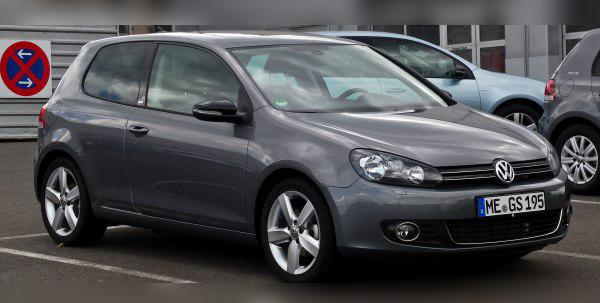
VW 2.0 FSI (BVX) 150 HP – Experiences, Problems, Fuel Consumption and Buying Used
In short (TL;DR)
- Naturally aspirated petrol engine: No turbocharger, which means fewer expensive components, but also the need for higher revs to really pull.
- Direct injection (FSI): More advanced technology than old MPI engines, but sensitive to fuel quality and prone to carbon buildup on the valves.
- Hybrid timing drive: It has both a timing belt (main timing) and a small chain (between the camshafts) – both require attention.
- Not ideal for LPG: Because of the FSI system, LPG installation is expensive and complicated (requires a special system).
- Oil consumption: Like most VW petrol engines from that period, it tends to “drink” some oil, which is factory-tolerated.
- Recommendation: A good choice for drivers who avoid diesels and turbo petrols, but want decent power on the open road.
Contents
Introduction and Characteristics
The engine with the code BVX is a 2.0-liter naturally aspirated petrol unit with direct fuel injection (Fuel Stratified Injection – FSI). This engine represents a “bridge” between the old, simple MPI engines and the newer, more complex TSI turbo engines. Specifically, the BVX code is most often associated with all-wheel-drive (4Motion) variants in the Golf V generation, but due to overlapping production years it can also be found in some later registrations or specific market versions.
Compared to a diesel of the same power, this engine offers quieter operation and linear acceleration, but it requires a driver who knows how to use the gearbox in order to extract all 150 horsepower. Its main philosophy is comfortable driving without “turbo lag”, but with somewhat higher fuel costs in city conditions.
Technical Specifications
| Specification | Data |
|---|---|
| Engine displacement | 1984 cc (2.0 L) |
| Power | 110 kW (150 HP) at 6000 rpm |
| Torque | 200 Nm at 3500 rpm |
| Engine code | BVX (often in 4Motion variants) |
| Injection type | Direct injection (FSI) |
| Induction | Naturally aspirated (No Turbo) |
| Number of cylinders / valves | 4 / 16V |
Reliability and Maintenance
Does this engine have a timing belt or a chain?
This is a trick question for many owners. The 2.0 FSI engine (BVX) has a combination. The main timing drive (connection between the crankshaft and the exhaust camshaft) is via a timing belt. However, the connection between the exhaust and intake camshafts is via a small chain and a tensioner located at the rear of the engine (towards the firewall). So, you regularly replace the belt, but you also have to listen out for the chain.
What are the most common failures on this engine?
The biggest enemy of this engine is carbon buildup on the intake valves. Since the injectors spray fuel directly into the cylinder, the fuel does not “wash” the intake valves as on older engines. Symptoms are rough idle and loss of power.
Another common problem is the NOx sensor (nitrogen oxide sensor), which is expensive to replace and often triggers the “Check Engine” light.
Also, ignition coils are consumable parts and tend to fail one by one, which leads to the engine running on 3 cylinders. A rattling noise at cold start usually indicates a problem with the small camshaft chain tensioner.
At what mileage should the major service be done?
The factory often quoted an optimistic 180,000 km, but practice has shown that this is too long. The recommendation is to replace the timing belt, tensioner and water pump every 90,000 to 120,000 km or 5 years, whichever comes first.
How many liters of oil does this engine take and which grade is recommended?
The sump holds approximately 4.6 liters of oil (with filter). Fully synthetic oil of grade 5W-30 or 5W-40 is recommended, meeting VW standards 504.00 / 507.00 (or the older 502.00 for fixed intervals).
Does it consume oil between services?
Yes, 2.0 FSI engines are known for liking oil. The factory “covers itself” with a tolerance of up to 0.5L/1000 km, but in reality, consumption of 1 to 2 liters per 10,000 km (from service to service) is quite common and does not necessarily mean the engine needs an overhaul. Anything above that requires checking the piston rings or valve stem seals.
At what mileage should the spark plugs be changed?
Given that direct injection is more sensitive, it is recommended to change the spark plugs every 60,000 km. Use only spark plugs intended for FSI engines (often iridium or platinum), because standard plugs cannot withstand the specific combustion conditions.
Specific Parts (Costs)
Does the engine have a dual-mass flywheel?
Yes. Although it is a petrol engine, due to the torque and the need for comfort, the BVX engine (especially in the 4Motion variant) usually comes with a dual-mass flywheel. It lasts longer than on diesels (often over 200,000 km), because engine vibrations are lower, but when it fails, the replacement is an expense that should be planned (depending on the market, it is among the more expensive items).
What kind of injection system does it have and are the injectors problematic?
The system is a “common rail” for petrol – a high-pressure pump sends fuel directly into the cylinders. FSI injectors are generally robust, but very expensive if they fail. The problem manifests as fuel leaking into the sump (oil level rises and smells of petrol) or uneven running. Cleaning in an ultrasonic bath rarely helps with mechanical damage to the piezo elements.
Does this engine have a turbocharger?
No. This is a naturally aspirated engine. That is a big advantage from a maintenance standpoint, as you do not have to worry about the turbo, intercooler and high-pressure hoses. The engine’s service life is potentially longer because of this.
Does this model have a DPF filter or an EGR valve?
It does not have a DPF filter (that’s for diesels), but it does have an EGR valve. On FSI engines, the EGR valve often gets clogged with soot and sticks, which triggers an engine fault. Cleaning is possible, but replacement is often required.
Does this engine use AdBlue?
No. AdBlue is used exclusively on newer diesel engines (Euro 6 standards). This petrol engine does not use any additional fluids for exhaust gas treatment.
Fuel Consumption and Performance
What is the real fuel consumption in city driving?
There should be no illusions here. A 2.0-liter displacement, a heavy car (Golf/Passat) and older technology mean consumption. In pure city driving, the BVX engine uses between 10 and 12 liters per 100 km. In winter or heavy traffic, this can go up to 13–14 liters. If you have a heavy right foot, the numbers are unforgiving.
Is this engine “lazy” for the weight of the car?
Subjectively – yes, it can feel lazy if you are used to turbo diesels (TDI). The reason is that the maximum torque of 200 Nm is available only at 3500 rpm, and maximum power only at 6000. This means you have to rev the engine for it to go. At low revs (up to 2500), it is sluggish, but very linear and smooth.
How does the engine behave on the motorway?
This is its home turf. On the motorway the engine is quiet and stable. At 130 km/h in 6th gear, the engine runs at about 3000–3200 rpm (depending on gearbox/final drive). Fuel consumption is acceptable then (around 7.5–8.5 liters) and there is enough power reserve for overtaking without having to shift down, provided you are not on a steep incline.
Additional Options and Modifications
Is this engine suitable for LPG installation?
Conditionally – yes, but it is questionable economically. Due to direct injection, you cannot install a standard sequential LPG system. You must install a system designed for FSI engines. There are two options:
1. A system that uses a mixture (e.g. 80% LPG, 20% petrol) to cool the petrol injectors.
2. A liquid LPG injection system using the petrol injectors (very expensive).
Installation is significantly more expensive than on conventional petrol engines (up to 2–3 times), so it only pays off if you cover very high mileages.
How much can this engine be safely “chipped” (Stage 1)?
Naturally aspirated engines respond poorly to remapping. With a software remap (Stage 1) you can gain a symbolic 8 to 12 HP and maybe 10–15 Nm of torque. In practice, you will not feel the difference in acceleration, maybe only a slightly sharper throttle response. It is not worth the investment.
Gearbox
Which manual and automatic gearboxes are fitted?
The BVX engine most commonly comes with a 6-speed manual gearbox. As for automatics, in that generation (Golf 5/6 platform with 2.0 FSI) it was usually paired with a conventional 6-speed Tiptronic (Aisin) automatic with a hydraulic torque converter, and more rarely with early versions of the DSG.
Most common gearbox issues?
Manual: Generally robust, but the gearbox bearings can become noisy at higher mileages.
Automatic (Tiptronic): More reliable than early DSG gearboxes, but slower. The most common issue is “thumping” when shifting (usually from 3rd to 2nd or from 5th to 4th), which indicates a problem with the valve body. The cause is almost always old oil.
Gearbox servicing?
On the manual gearbox, the oil is officially “lifetime”, but it is recommended to change it at 150,000 km to preserve the bearings.
On the automatic gearbox, changing the oil and filter is mandatory every 60,000 km. If you skip this, an overhaul is inevitable and very expensive.
Buying Used and Conclusion
Before buying a used car with the 2.0 FSI (BVX) engine, pay attention to the following:
- Sound at startup: The engine should start immediately and run quietly. If you hear metallic rattling for the first 2–3 seconds, that is the camshaft chain (an expensive repair).
- Idle: When the engine is warm, the revs should be stable. Fluctuations indicate dirty valves or injector issues.
- Diagnostics: Always check for faults related to the NOx sensor and “misfire” on the cylinders.
- Exhaust: Black smoke is a sign of an overly rich mixture (injectors/sensors), blue smoke is a sign that the engine is burning a lot of oil.
Conclusion:
This engine is intended for drivers who want the refinement and quietness that a diesel cannot provide, and who are wary of potential turbo failures on TSI engines. It is ideal for those who drive a mix of city and highway and do not exceed 15,000 km per year, because otherwise fuel consumption would be too big a hit on the budget. If you find an example with a proper service history, this is a very grateful engine that can cover a lot of kilometers.
Was this content useful to you?
Your opinion helps us to improve the quality of the content.