BMY Engine
- Engine
- 1390 cm3
- Aspiration
- Turbocharging and Supercharger, Intercooler
- Fuel
- Petrol (Gasoline)
- Fuel injection system
- Direct injection
- Power
- 140 hp @ 5600 rpm
- Torque
- 220 Nm @ 1750 rpm
- Cylinders
- 4
- Valves
- 16, 4 per cylinder
- Cylinders position
- Inline
- Valvetrain
- DOHC
- Oil capacity
- 3.6 l
- Coolant
- 5.6 l
# Vehicles powered by this engine
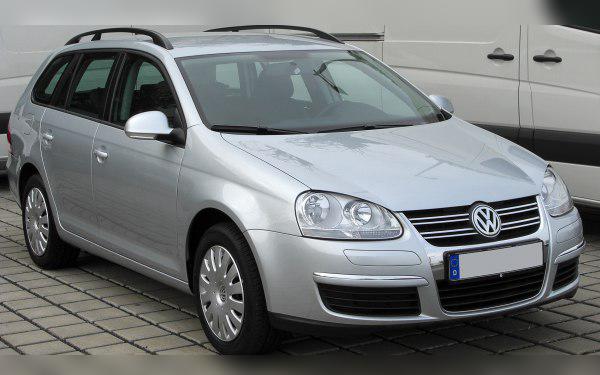
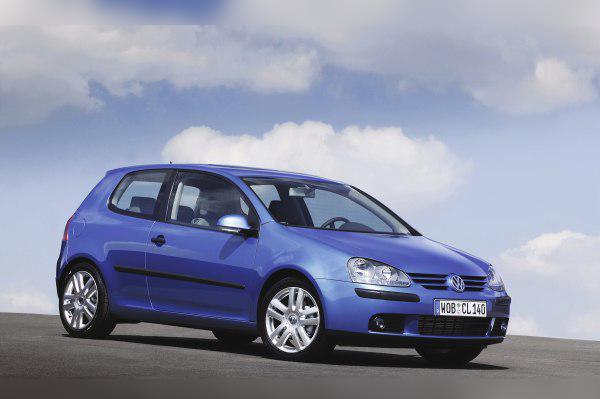
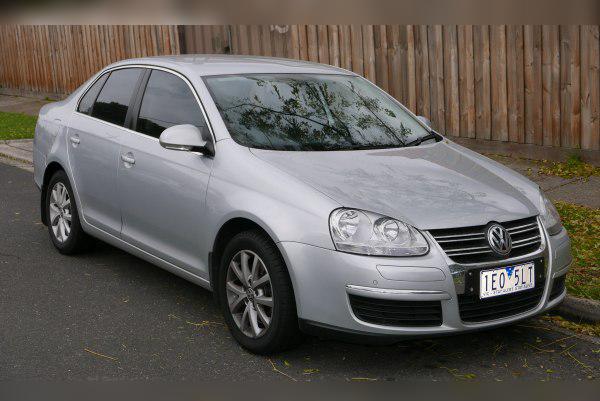
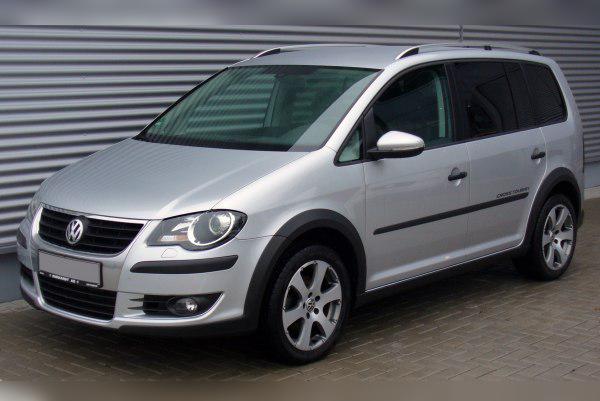
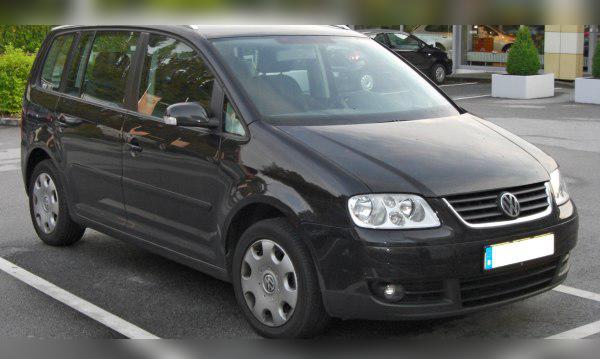
1.4 TSI BMY (140 HP) – Experiences, problems, fuel consumption and buying used
In short (TL;DR)
- Complexity: This is a “twincharger” engine – it has both a mechanical supercharger and a turbocharger. Great performance, but twice as many parts that can fail.
- Timing chain: The weakest point. The timing chain tends to stretch, which can lead to catastrophic engine failure if not noticed in time.
- Pistons: Known cases of piston cracking (especially with more aggressive driving or poor-quality fuel).
- Performance: The engine is anything but sluggish. Thanks to the supercharger it pulls very well from low revs, and the turbo takes over later.
- Fuel consumption: Moderate if driven gently, but rises drastically as soon as you press the throttle.
- Recommendation: Requires meticulous maintenance and high-quality oil. Not for drivers who want to save on servicing.
Contents
- Technical Specifications
- Reliability and Maintenance
- Specific Parts and Costs
- Fuel Consumption and Performance
- Additional Options and Modifications (LPG, Tuning)
- Gearbox (Manual and DSG)
- Conclusion and Buying Tips
The engine with the code BMY belongs to the early generation of Volkswagen EA111 1.4 TSI units. It was mainly installed in the Golf V, Jetta and Touran. At the time, this engine was a technological marvel – the goal was to extract the power of a 2.0 naturally aspirated engine from a small 1.4‑liter displacement, with lower fuel consumption. This was achieved by combining a mechanical (Roots-type) supercharger for low revs and a turbocharger for higher revs. Although it offers a great driving experience, its reputation has been damaged by certain mechanical issues that every potential owner needs to be aware of.
Technical Specifications
| Characteristic | Data |
|---|---|
| Engine displacement | 1390 cc (1.4 L) |
| Power | 103 kW / 140 HP |
| Torque | 220 Nm at 1500–4000 rpm |
| Engine code | BMY |
| Charging system | Twincharger (Mechanical supercharger + Turbocharger) |
| Injection type | Direct injection (TSI / FSI) |
| Number of valves | 16 (4 per cylinder) |
Reliability and Maintenance
Timing belt or chain?
The BMY engine uses a timing chain. Unfortunately, this is one of the most critical points of this engine. The chain tends to stretch, and the hydraulic chain tensioner often does not do its job properly, especially on cold start. If you hear metallic rattling or “grinding” for the first 2–3 seconds after starting, that is a sign you need to visit a workshop immediately. Replacing the chain is mandatory preventive maintenance, because if it jumps a tooth it leads to piston-to-valve contact.
Most common failures
Besides the chain, the BMY engine suffers from several specific issues:
- Piston cracking (ring land failure): Due to high thermal load and poor-quality fuel, pistons or rings can crack. Symptoms are loss of compression, rough running and high oil consumption.
- Magnetic clutch of the water pump: The mechanical supercharger is engaged via a magnetic clutch integrated into the water pump. This clutch often fails, resulting in loss of power at low revs or squealing noises.
- Camshaft phase variator: Can rattle and cause timing issues.
Service intervals and spark plugs
A “major service” in the classic sense (as with a belt) is not strictly defined, but preventive replacement of the chain kit is recommended at around 100,000 to 120,000 km, or as soon as any noise is heard. Minor service (oil and filters) should be done at a maximum of 10,000 km or once a year. These engines are sensitive to old oil.
Spark plugs: Due to direct injection and high combustion temperatures, spark plugs must be replaced more frequently than on ordinary naturally aspirated engines. The recommendation is every 40,000 to 60,000 km. Use only iridium or platinum plugs recommended by the manufacturer (NGK/Bosch), because a bad plug can cause detonation that destroys the pistons.
Oil: quantity and consumption
The engine holds approximately 3.6 liters of engine oil. The recommended viscosity is 5W-30 or 5W-40, with mandatory compliance with VW specifications (usually VW 504.00 / 507.00 or 502.00 for fixed intervals).
As for oil consumption, TSI engines of this generation are known to “drink” oil. Consumption of 0.3 to 0.5 liters per 1,000 km is often considered “within tolerance” according to factory documentation, but in practice, if you are using more than 1 liter per 3,000–4,000 km, this indicates a problem with the rings or the turbo. Regularly checking the oil level is essential!
Specific Parts (Costs)
Dual-mass flywheel and injection system
Yes, this engine has a dual-mass flywheel, regardless of whether it is paired with a manual or DSG gearbox. Its lifespan depends on driving style, but it usually lasts around 150,000–200,000 km. Replacement falls into the “expensive” category (depending on the market).
The injection system is direct (FSI/TSI) with high-pressure injectors. Injectors are generally durable, but sensitive to poor-quality fuel. A bigger problem than the injectors is carbon buildup on the intake valves. Since fuel does not “wash” the valves (as on older engines), carbon deposits build up, which over time reduces power and increases fuel consumption. Cleaning the intake valves (“walnut blasting” or chemical cleaning) is recommended at higher mileages.
Turbo and supercharger (twincharger)
This is the heart of the BMY engine. You have one turbocharger and one mechanical (Roots) supercharger.
- Supercharger: Works from idle up to around 2400 rpm, providing instant throttle response (no turbo lag).
- Turbo: Takes over the main role at higher revs.
The system is complex. Failures most often occur in the control system (the flaps that redirect airflow) and the aforementioned magnetic clutch. Turbocharger overhauls are standard procedures, while servicing the supercharger is rarer and more specialized. Repair costs for this system can be high.
EGR, DPF and AdBlue
This petrol engine does not have a DPF filter (that’s for diesels), nor does it have an AdBlue system. It has a catalytic converter that can fail if the engine burns a lot of oil or has poor combustion. There is an EGR valve, which can get clogged and trigger the “Check Engine” light, but it can often be cleaned.
Fuel Consumption and Performance
City and highway driving
The BMY engine is very sensitive to how heavy your right foot is.
- City driving: Real-world consumption in heavy traffic (stop‑and‑go) is between 9 and 11 liters/100 km. In heavier bodies such as the Touran, this can go up to 12 liters in winter.
- Open road / Motorway: This is where the engine shines. At 130 km/h it runs quietly and relaxed (thanks to the 6th gear), and consumption is around 7 to 8 liters/100 km. On secondary roads you can get it down to 6–6.5 liters.
Is the engine sluggish?
Absolutely not. With 140 HP and 220 Nm available from just 1500 rpm, this engine moves the Golf V and Jetta bodies with ease. Even in the Touran, it feels lively. Thanks to the supercharger, there is no waiting for power when overtaking – throttle response is linear and strong.
Additional Options and Modifications
LPG conversion
This engine is not an ideal candidate for LPG. Due to direct injection, a specific sequential system is required, which either uses a “split-fuel” method (it also uses a small amount of petrol while running on LPG to cool the injectors) or injects liquid gas directly through the petrol injectors. These systems are very expensive (depending on the market, but expect roughly double the price of a standard system) and the cost-effectiveness is questionable unless you cover very high mileages.
Chip tuning (Stage 1)
The engine can be remapped, and the gains are significant. A Stage 1 map can raise power to around 170–180 HP. However, given how sensitive the pistons and chain are on this engine, remapping is NOT recommended if you want long engine life. Increasing cylinder pressure further stresses already fragile components.
Gearbox
Options and failures
With the BMY engine you will most commonly find:
- Manual gearbox (6‑speed): Precise, reliable and cheaper to maintain. The most common expense is the clutch kit and dual-mass flywheel. Oil change in the gearbox is not strictly prescribed, but it is advisable to do it at around 100,000 km.
- DSG (automatic): Depending on the model year and vehicle (Touran vs Golf), you may find the older 6‑speed DSG (DQ250 – wet clutch) or the newer 7‑speed (DQ200 – dry clutch).
- DQ250 (6‑speed): More reliable, but requires oil and filter changes every 60,000 km.
- DQ200 (7‑speed): Known for mechatronic issues and faster clutch pack wear. This is a “dry” gearbox and is factory‑rated as “maintenance‑free” (sealed for life), but failures are expensive.
Buying Used and Conclusion
When buying a car with the 1.4 TSI BMY engine, pay attention to the following:
- Cold start: Insist that the engine is completely cold. Listen for chain noise when starting. Any rattling lasting more than a couple of seconds is a red flag.
- Test drive: Check acceleration from low revs (supercharger operation) and at high revs (turbo operation). Hesitation or loss of power indicates a problem with the charging system or with the spark plugs/coils.
- Exhaust smoke: Bluish smoke when revving or when lifting off the throttle may indicate oil consumption (rings or turbo).
Conclusion: The 1.4 TSI (BMY) engine is an engineering gem that delivers driving pleasure disproportionate to its displacement. It is ideal for those who want GTI‑like performance in a “civilian” package. However, buying a used car with this engine is a risk. You need a budget ready for a possible chain replacement, turbo/supercharger overhaul or fixing excessive oil consumption. If you are looking for “fill up and drive” reliability for little money, look at simpler 1.6 petrol engines or 1.9 TDI units from that era.
Was this content useful to you?
Your opinion helps us to improve the quality of the content.