CBPA Engine
- Engine
- 1984 cm3
- Aspiration
- Naturally aspirated engine
- Fuel
- Petrol (Gasoline)
- Fuel injection system
- Multi-port manifold injection
- Power
- 115 hp @ 5200 rpm
- Torque
- 170 Nm @ 4000 rpm
- Cylinders
- 4
- Valves
- 8, 2 per cylinder
- Cylinders position
- Inline
- Valvetrain
- SOHC
- Oil capacity
- 3.6 l
- Coolant
- 5 l
# Vehicles powered by this engine
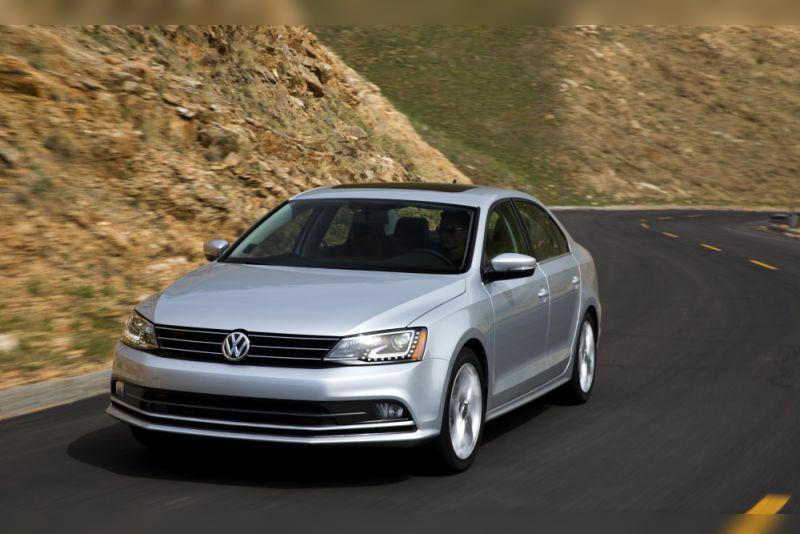
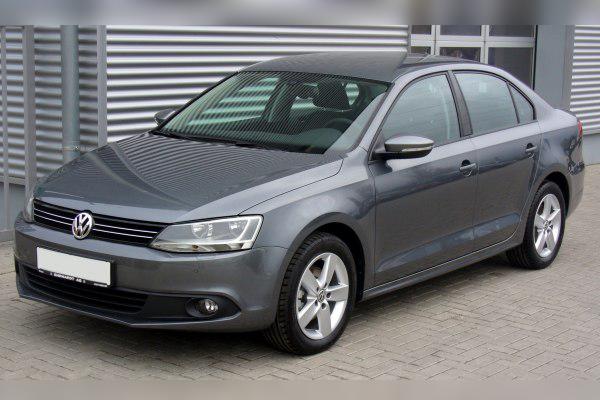
VW 2.0 MPI (CBPA) – Experiences, issues, fuel consumption and buying tips
Key points (TL;DR)
- Old-school technology: This is a simple 8-valve engine (SOHC) without turbo and without direct injection. Extremely robust.
- Ideal for LPG: Thanks to the MPI injection system, it is perfect for LPG conversion, which significantly reduces running costs.
- Performance is modest: With 115 hp in a Jetta body, this is no racer. The engine feels sluggish compared to TSI or TDI engines of similar power.
- Cheap maintenance: No dual-mass flywheel (on most versions), no turbo, no DPF, no expensive high-pressure injectors.
- Fuel consumption: In the city it likes to drink (10+ liters), but it is moderate on the open road.
- Automatic gearbox: Comes with a classic Tiptronic (Aisin) transmission, which is comfortable and more reliable than early DSG units, if maintained properly.
- Recommendation: Ideal for drivers who want simplicity, cheap parts and plan to install LPG, and don’t care about sporty performance.
Contents
Introduction
The engine with the code CBPA is an interesting phenomenon in the world of modern automotive industry. While everyone was turning to downsizing and adding turbos, Volkswagen kept this 2.0 naturally aspirated petrol engine in the Jetta VI (especially for the North American, Russian and some Eastern European markets). It is an evolution of the legendary EA827/EA113 block – an engine whose roots go back decades.
Why does this matter? Because by buying this engine in a relatively modern body (Jetta from 2011 to 2015/16), you get “simple” 90s mechanics wrapped in contemporary design. That’s the dream of every driver who is afraid of expensive failures on modern diesels and sensitive TSI petrol engines.
Technical specifications
| Parameter | Value |
|---|---|
| Engine code | CBPA |
| Displacement | 1984 cc (2.0 L) |
| Configuration | Inline 4-cylinder, 8 valves (SOHC) |
| Power | 85 kW (115 hp) at 5200 rpm |
| Torque | 170 Nm at 4000 rpm |
| Injection type | MPI (Multi-Point Injection) – indirect |
| Induction | Naturally aspirated (no turbo) |
| Camshaft drive | Timing belt |
| Emission standard | Euro 4 / Euro 5 (depending on market and year) |
Reliability and maintenance
Timing system: belt or chain?
The CBPA engine uses a timing belt to drive the camshaft. This is a classic system. It is recommended to do a major service (replacement of belt, tensioner and water pump) every 90,000 km to 120,000 km or every 5 years, whichever comes first. Although the manufacturer sometimes states longer intervals, considering the age of these vehicles, shortening the interval is a cheaper option than a destroyed engine.
Most common issues
This engine is extremely reliable, but not completely immune to minor problems:
- Ignition coils: A common issue. Symptoms include rough idle, engine shaking at idle and the “Check Engine” light coming on. Fortunately, replacement is simple and inexpensive.
- Crankshaft and camshaft sensors: They can fail, causing hard starting or stalling while driving.
- Oil leaks: From the valve cover gasket or crankshaft seals. This is standard for older VW engines.
- PCV valve (crankcase ventilation): If it clogs or the membrane tears, the engine may start consuming oil or run roughly due to unmetered air.
Oil and service intervals
The sump holds approximately 4.0 to 4.5 liters of oil (always check the dipstick while filling). The recommended grade is 5W-40 or 5W-30 with VW 502.00 specification. An oil service should be done every 10,000 km to 15,000 km (or once a year). Do not use 30,000 km LongLife intervals on this engine if you want longevity.
Oil consumption: Yes, CBPA engines can consume some oil, but usually not as drastically as the first series of TSI engines. Consumption of 0.3 to 0.5 liters per 1,000 km is often considered “within normal limits” by VW, but in practice, a healthy engine should not need more than 1 liter between two oil services. If it uses more, valve stem seals or piston rings are usually to blame.
Spark plugs and injectors
As it is a petrol engine, spark plugs should be replaced every 60,000 km. Use quality NGK or Bosch plugs. The injectors are classic low-pressure solenoid units and are extremely durable. They rarely fail, unless the car is run on very poor fuel or they get dirty, which can be solved with ultrasonic cleaning.
Specific parts (costs)
This is where the CBPA engine shines – costs are low compared to modern competitors.
- Dual-mass flywheel: Depends on the gearbox. Models with a manual gearbox often have a simple single-mass flywheel, which is a big saving. However, this should be checked by VIN. Models with an automatic transmission do not have a flywheel in the classic sense but a torque converter.
- Injection system: As mentioned, it uses MPI (Multi Point Injection). Injectors are not directly in the cylinder, valves do not carbon up like on FSI/TSI engines, and injectors are cheap (not expensive).
- Turbocharger: THERE IS NONE. No turbo, no intercooler, no expensive hoses that can burst. One less thing to worry about.
- EGR and DPF: There is no DPF (diesel particulate filter) because this is a petrol engine. It does have an EGR valve, but it rarely clogs because petrol produces less soot than diesel. If it does get dirty, cleaning is simple.
- AdBlue: NONE. This system is reserved for modern diesels.
Fuel consumption and performance
Is the engine “lazy”?
Let’s be honest – yes, especially by today’s standards. The Jetta VI is not a light car. With 170 Nm of torque available only at 4000 rpm, you’ll have to push the throttle for the car to pull properly. Overtaking requires downshifting and high revs. The driving feel is linear, without that “kick in the back” you get from turbo engines.
Real-world fuel consumption
- City driving: This is where the downside of old tech shows. Expect between 10 and 12 l/100 km. In winter and heavy traffic, it can go up to 13 liters, especially with the automatic gearbox.
- Open road: Things are better here. At 80–90 km/h it uses around 6–7 liters.
- Highway (130 km/h): Due to the gearbox (usually 5-speed manual or 6-speed automatic), the engine spins at about 3000–3500 rpm at this speed. Consumption is around 7.5–8.5 l/100 km, and cabin noise is noticeable.
Additional options and modifications
LPG conversion
This is the biggest advantage of this engine. The CBPA is an ideal candidate for conversion to LPG. Since it has indirect injection and a metal/plastic intake manifold, it accepts standard sequential LPG systems that are cheap to install and maintain. There is no need for expensive direct-injection LPG systems that also consume petrol while running on gas. With LPG, running this car becomes very economical.
Remapping (tuning)
Can it be remapped? Yes, but it’s not worth it. On a naturally aspirated engine without a turbo, a “Stage 1” remap might give you 5 to 8 horsepower, which you won’t really feel in everyday driving. It’s better to invest that money in quality tires or a full major service.
Gearbox
With the CBPA engine in the Jetta VI you most commonly get two options:
- Manual gearbox (5-speed):
- Very precise and reliable. Failures are rare.
- The cost of replacing the clutch kit is moderate (not expensive), especially since it often doesn’t have a dual-mass flywheel.
- It is recommended to change the gearbox oil at 150,000 km, even though VW says it is “lifetime”.
- Automatic Tiptronic (6-speed, Aisin 09G):
- This is NOT a DSG dual-clutch gearbox. It is a classic automatic with a hydraulic torque converter.
- Advantages: Very smooth in city driving, pulls away without jerks, robust if maintained.
- Disadvantages: Slower shifts than DSG and slightly higher fuel consumption.
- Maintenance: Mandatory oil and filter change in the gearbox every 60,000 km. If this is not done, you can get harsh shifts and failure of the valve body, which is expensive to repair.
Used car buying guide and conclusion
What to check before buying?
- Engine sound: Cold start. Listen for hydraulic lifter noise (a characteristic “tick-tick-tick”). If the sound disappears after a few seconds, that’s acceptable. If it lasts, the engine has been neglected or has an oil pressure issue.
- Gearbox (automatic): Warm the car up. The gearbox must shift smoothly, both up and down. If it “bangs” when you engage D or R, or if it slips, walk away from that car.
- Leaks: Look at the engine from below and around the valve cover. Oily traces are common, but fresh puddles of oil are a red flag.
- Diagnostics: Check for errors related to the catalytic converter (“Catalytic Converter Efficiency”) and lambda sensors, because these engines can contaminate the catalytic converter if they burn oil.
Final conclusion
The VW Jetta with the 2.0 CBPA engine is a car for a rational buyer. It is not for enthusiasts looking for speed, nor for those who want the latest technology. It is intended for people who want a comfortable sedan with low maintenance costs.
If you drive a lot of kilometers and want a petrol engine, this engine combined with an LPG system is probably one of the most cost-effective options on the used car market. “Slow, but it gets there” – that is the best description of this powerplant.
Was this content useful to you?
Your opinion helps us to improve the quality of the content.