EA888 / CPKA, CPRA Engine
- Engine
- 1798 cm3
- Aspiration
- Turbocharger, Intercooler
- Fuel
- Petrol (Gasoline)
- Fuel injection system
- Direct injection
- Power
- 170 hp @ 4800 rpm
- Torque
- 250 Nm @ 1500 rpm
- Cylinders
- 4
- Valves
- 16, 4 per cylinder
- Cylinders position
- Inline
- Valvetrain
- DOHC
- Oil capacity
- 5 l
- Coolant
- 10 l
- Systems
- Start & Stop System
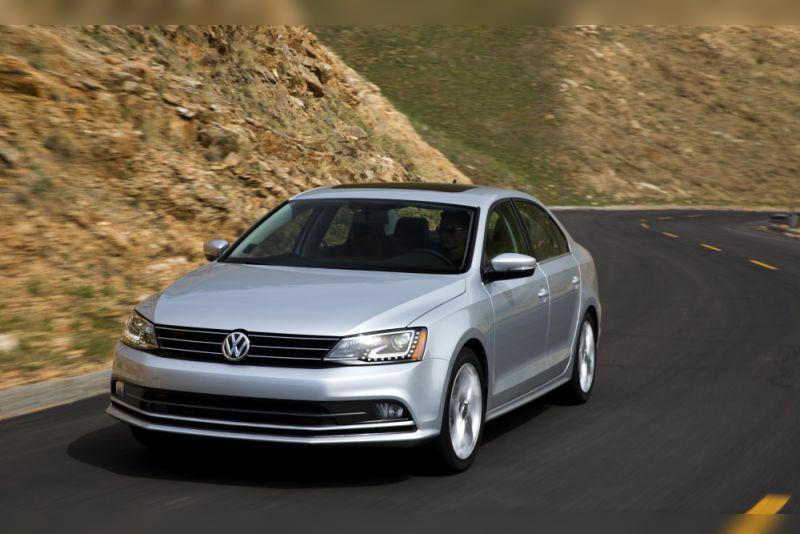
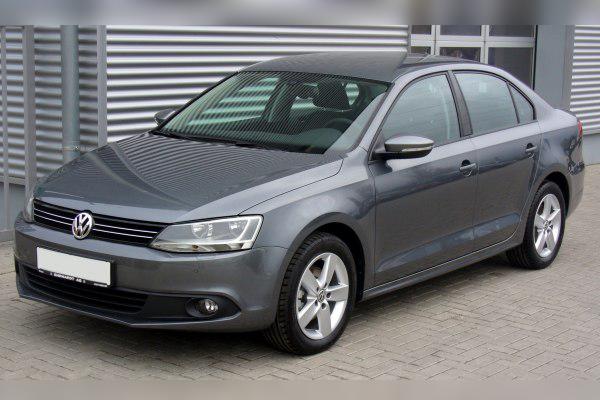
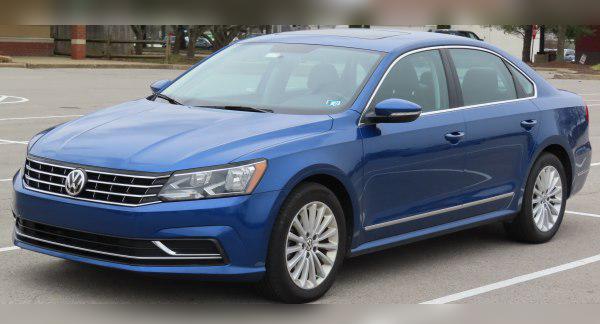
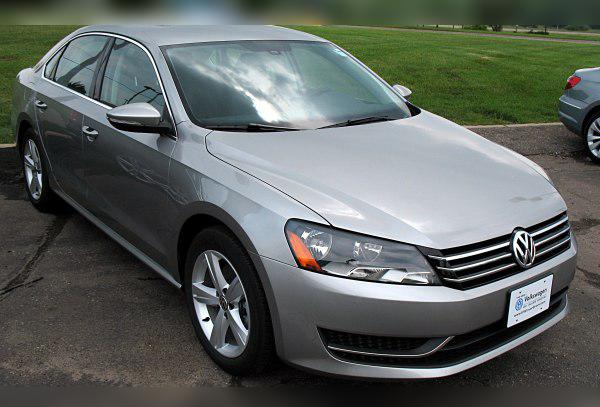
# Vehicles powered by this engine
1.8 TSI EA888 (CPKA, CPRA) – Experiences, issues, fuel consumption and maintenance
Key points (TL;DR)
- Significantly improved compared to predecessors: This is an EA888 Gen 3 engine, which has solved most of the catastrophic oil consumption issues that plagued the Gen 2 versions (2008–2012).
- Achilles’ heel – Water pump: The thermostat housing and water pump are made of plastic and will almost certainly start leaking sooner or later.
- Excellent performance: With 170 hp and 250 Nm, the engine is very lively and not “lazy”, even in a Passat.
- Direct injection: Requires high-quality fuel and is prone to carbon buildup on the intake valves.
- Timing chain instead of belt: Although the chain tensioning system has been improved, it still needs to be checked after 150,000 km.
- Transmission (Tiptronic): In North American market models (Passat NMS, Jetta) it often comes with a conventional automatic (Aisin), which is more durable than DSG if the fluid is changed regularly.
Contents
- Introduction and applications
- Technical specifications
- Reliability and maintenance
- Specific components and injection system
- Fuel consumption and performance
- LPG and tuning
- Transmission and drivetrain
- Buying tips and conclusion
Introduction and applications
The engines with codes CPKA and CPRA belong to the third generation (Gen 3) of the famous Volkswagen EA888 family. This is a very important powerplant because it represents a turning point where VW tried (and largely managed) to restore the reputation damaged by the previous generation of engines, which were notorious for oil consumption and timing chain failures.
This 1.8‑liter turbocharged engine was primarily designed to replace the old naturally aspirated 2.5‑liter five‑cylinder on the North American market (which is why it is found in Passat NMS and Jetta VI models), but the technology is shared with European models. It offers an excellent balance between power and efficiency, providing the driving feel of a much larger engine thanks to torque available from low revs.
Technical specifications
| Parameter | Value |
|---|---|
| Displacement | 1798 cc (1.8 L) |
| Power | 125 kW (170 hp) at 4800–6200 rpm |
| Torque | 250 Nm at 1500–4800 rpm |
| Engine codes | CPKA, CPRA (EA888 Gen 3) |
| Fuel injection system | TSI (Direct fuel injection) |
| Induction | Turbocharger (IHI IS12) + intercooler |
| Engine block | Cast iron |
Reliability and maintenance
Does this engine have a timing belt or a chain?
This engine uses a timing chain. Unlike the previous generation where the chain tensioner was a ticking time bomb, Gen 3 engines (CPKA/CPRA) have a revised tensioner and chain design. Although the system is much more reliable and often lasts over 200,000 km, it is not eternal. Symptom of an issue: Rattling on cold start that lasts longer than 2–3 seconds. If you hear a metallic “clattering” sound in the morning, immediately check for chain stretch via diagnostics or visual inspection.
What are the most common failures on this engine?
Three main issues are associated with this engine:
- Thermostat housing and water pump: These are made of plastic and almost inevitably crack or deform due to heat cycles. The symptom is loss of coolant and a smell of antifreeze under the hood. This is an expensive repair because it requires a lot of labor hours.
- PCV valve (oil separator): When the membrane in this valve tears, the engine starts running rough, whistles, or creates high vacuum in the crankcase, which can lead to oil leaks at the seals.
- Oil leak at the camshaft “N80” actuator: It is common to see oil leaking at the front of the engine, around the connector for the camshaft actuator.
At what mileage is the “major service” due?
Since the engine has a chain, a classic “major service” (timing belt replacement) does not exist at a fixed interval. However, the serpentine belt (auxiliary belt) and its tensioners should be replaced at around 100,000–120,000 km or every 5 years. It is recommended to thoroughly check the timing chain (how far the tensioner has extended) at around 150,000 km.
How many liters of oil does this engine take and which grade is recommended?
The engine takes approximately 5.5 to 5.7 liters of oil. Only fully synthetic oil of grade 5W‑30 or 5W‑40 that meets VW specifications (most commonly VW 502 00 / 504 00) is recommended. Check the vehicle’s manual for the exact standard.
Does it consume oil between services?
These engines are much better than their predecessors. Consumption of 0.5 to 1 liter per 10,000 km is considered completely normal and acceptable for a turbo engine of this design. If it consumes more than that (e.g. one liter per 2,000 km), this may indicate an issue with the PCV valve or, more rarely at high mileage, with piston rings or valve stem seals.
At what mileage should the spark plugs be replaced?
Since this is a turbocharged gasoline engine with direct injection, the spark plugs are under higher stress. It is recommended to replace them every 60,000 km. Use only iridium or platinum plugs according to factory specification (e.g. NGK or Bosch) to avoid misfires.
Specific components (costs)
Does the engine have a dual‑mass flywheel?
It depends on the transmission. Models with a manual gearbox and DSG transmission have a dual‑mass flywheel. However, the models mentioned in your query (Passat NMS, Jetta Tiptronic) often come with a conventional automatic transmission (Aisin torque converter). These models do not have a typical dual‑mass flywheel that fails like on diesels, but use a flexplate and torque converter instead, which is a much cheaper solution to maintain because it very rarely fails.
What kind of injection system does it have and are the injectors problematic?
It uses direct injection (TSI/FSI) under high pressure. The injectors themselves are generally reliable. However, the main issue with direct injection is carbon buildup on the intake valves. Since fuel does not wash over the intake valves, after 100,000+ km the airflow can be reduced, leading to power loss and rough idle. Cleaning these deposits (with walnut shell blasting or chemicals) is recommended at higher mileage.
Does the engine have a turbocharger and what is its lifespan?
The engine uses a single IHI IS12 turbocharger. This is a small turbo designed for quick response (no noticeable turbo lag). It is very reliable if the oil is changed regularly and if the engine is not switched off immediately after hard highway driving. With proper maintenance, its lifespan exceeds 200,000 km. Occasionally there may be issues with the electronic actuator (wastegate), which is resolved by replacing or refurbishing the actuator rather than the entire turbo.
DPF, EGR and AdBlue?
This is a gasoline engine, so it does not have a DPF filter or AdBlue system, which is a big advantage over diesels (lower maintenance costs). The EGR (exhaust gas recirculation) function is handled internally via variable valve timing (VVT), so there is no conventional EGR valve that clogs with soot like on older models.
Fuel consumption and performance
What is the real‑world fuel consumption in city driving?
Although the factory claims lower figures, the reality for a Jetta or Passat with this engine and automatic transmission is between 9 and 11 liters per 100 km in city conditions. In heavy stop‑and‑go traffic and in winter, consumption can go up to 12 liters. This is not an engine for extreme fuel saving in the city.
Is this engine “lazy” for the weight of the car?
Absolutely not. With 170 hp and 250 Nm available from as low as 1500 rpm, this engine moves the Jetta and Passat body with ease. 0–100 km/h acceleration is usually under 8.5 seconds, which is quicker than most 2.0 TDI diesels of that generation. Throttle response is immediate.
How does the engine perform on the highway?
This is the engine’s natural habitat. On the highway it is quiet and refined. At a speed of 130 km/h in top gear, the engine runs at about 2200 to 2400 rpm (depending on the transmission). This allows for quiet cruising and fuel consumption on open roads of around 6.5 to 7.5 l/100 km.
Additional options and modifications
Is this engine suitable for LPG (autogas) conversion?
Due to the direct injection system, LPG conversion is complex and expensive (depending on the market, expect 800–1200 EUR). You need a system that either uses liquid‑phase LPG through the gasoline injectors, or a system that injects a mixture of gasoline and LPG (e.g. 80% LPG, 20% gasoline) to cool the gasoline injectors. Cost‑effectiveness is questionable unless you cover very high mileage.
How far can this engine be safely tuned (Stage 1)?
The EA888 Gen 3 is extremely tuning‑friendly. A Stage 1 remap (software only) can safely raise power to about 210–220 hp and torque to over 320 Nm. The engine can handle this mechanically without issues, but keep in mind that it will shorten spark plug life and require more frequent oil changes.
Transmission
Which transmissions are used and what are the common issues?
The “Tiptronic” label on VW models for the North American market (Passat NMS, Jetta) usually refers to the Aisin 09G (AQ250) 6‑speed conventional automatic transmission with a torque converter. This is not a DSG.
- Aisin automatic (Tiptronic): Very robust and smooth. There are no expensive clutch packs. Its biggest enemies are overheating and old fluid. If not maintained, the valve body (hydraulic block) fails, which manifests as harsh shifts.
- Manual gearbox: Standard, reliable. Failures are related to wear items (clutch kit).
At what mileage should the transmission be serviced?
Although the manufacturer often states that the fluid is “lifetime”, this is a marketing trick. For the Aisin automatic transmission, you must change the transmission fluid and filter every 60,000 km. This is the key to longevity. The cost of a fluid change is not high (depending on the market) and saves you from a very expensive transmission overhaul.
Buying used and conclusion
What should be checked before buying?
- Signs of coolant leaks: Look under the intake manifold for pink/red traces of dried antifreeze (thermostat housing).
- Cold start: The engine should run smoothly immediately after starting. Any chain rattling is a red flag.
- Diagnostics: Check the camshaft phase position (shows chain stretch) and whether there are any misfire‑related fault codes (plugs/coils/deposits).
Conclusion: Who is this engine for?
The 1.8 TSI (EA888 Gen 3) engine is an excellent choice for drivers who want performance, quietness and smoothness that a diesel cannot provide, and who are willing to accept somewhat higher fuel consumption in the city. This is a mature product in which VW has corrected most of the past mistakes.
It is ideal for open‑road driving and for drivers who cover up to 15,000–20,000 km per year. If the car has been regularly maintained (especially engine and transmission oil changes), it can serve reliably for many years with moderate maintenance costs.
Was this content useful to you?
Your opinion helps us to improve the quality of the content.