DMB Engine
- Engine
- 1498 cm3
- Aspiration
- Naturally aspirated engine
- Fuel
- Petrol (Gasoline)
- Fuel injection system
- Multi-port manifold injection
- Power
- 113 hp @ 6000 rpm
- Torque
- 145 Nm @ 3900 rpm
- Cylinders
- 4
- Cylinders position
- Inline
- Systems
- Particulate filter
# Vehicles powered by this engine
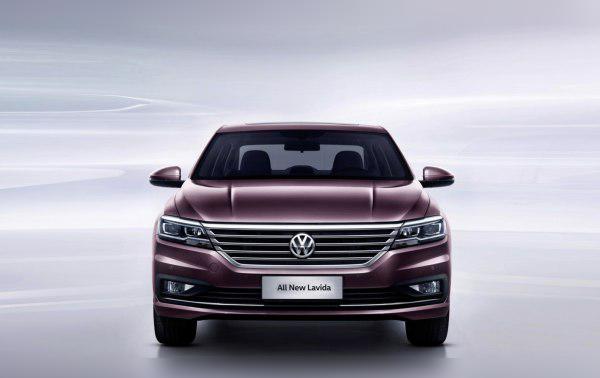
VW 1.5 MPI (DMB) – Experiences, problems, fuel consumption and buying tips
Key points (TL;DR)
- Simplicity: This is a naturally aspirated engine without a turbo, which means lower maintenance costs and a smaller risk of expensive failures.
- LPG suitability: Due to its indirect injection (MPI), this engine is ideal for LPG conversion.
- Performance: With 113 hp and only 145 Nm, the engine is quite “sluggish” by today’s standards, especially on open roads.
- Gearbox: The Tiptronic automatic (usually a conventional torque-converter unit) is more reliable than older DSG gearboxes, but it requires regular oil changes.
- Maintenance: Parts are generally available because the engine belongs to the wide EA211 family, and servicing is not expensive.
- Recommendation: An excellent choice for taxi drivers, city drivers, and those who want a car “to get from A to B,” not to race.
Contents
Introduction and applications
The engine with the code DMB (often part of the EA211 family) is Volkswagen’s answer to the need for a simple, cheap and reliable power unit, primarily for markets such as China and Asia, where it is installed in the popular Volkswagen Lavida III. Although the Lavida is not a common sight on Western European roads, this engine shares its DNA with European 1.5 and 1.6 MPI units.
Unlike modern TSI engines, which are complex and sensitive, this 1.5‑liter naturally aspirated petrol unit goes back to basics. Its main role is durability and low running costs, not sporty performance.
Technical specifications
| Displacement | 1498 cc (1.5 L) |
| Power | 83 kW (113 hp) |
| Torque | 145 Nm at 3900 rpm |
| Engine code | DMB (EA211 family) |
| Injection type | MPI (Multi Point Injection) – Indirect |
| Aspiration | Naturally aspirated (No turbo) |
| Number of cylinders | 4 (Inline) |
Reliability and maintenance
Timing belt or chain?
This engine, like most from the EA211 generation, uses a timing belt to drive the camshafts. This is a major improvement over older EA111 engines that had problematic chains. The belt is quiet and reliable.
Most common issues
The engine is mechanically very robust, but there are some known weak points:
- Coolant leaks: The thermostat housing and water pump (often part of the same module) are made of plastic that becomes brittle and cracks over time. Symptoms include coolant loss and overheating.
- Oil consumption: Although not as critical as on older TSI engines, after 150,000 km oil consumption can appear due to “sticking” oil control rings if service intervals have been too long.
- Ignition coils: Coil failure is a standard problem on VW petrol engines, showing up as rough running and an illuminated “Check Engine” light.
- Carbon deposits (less pronounced): Since this is an MPI engine, the valves are “washed” by fuel, so there are no major issues with soot build‑up on intake valves as with direct injection (FSI/TSI).
Major and minor service
Major service (replacement of timing belt, tensioner and water pump) is factory‑recommended at very long intervals (sometimes over 200,000 km), but real‑world practice and mechanic experience suggest doing it at 120,000 to 150,000 km or every 6–8 years, whichever comes first. A snapped belt will cause catastrophic engine damage.
Minor service (oil and filter change) should be done every 10,000 to 15,000 km or once a year. Avoid “Long Life” intervals of 30,000 km if you want the engine to last.
Oil and spark plugs
The engine takes approximately 4.0 liters of oil (always buy a 5L can). The recommended viscosity is usually 5W‑30 or 0W‑20 (check for VW 502.00 or VW 504.00 specification in the owner’s manual). Consumption of up to 0.5 liters per 10,000 km is perfectly normal. If it uses more than 1 liter per 5,000 km, that points to problems with piston rings or valve stem seals.
Spark plugs on this naturally aspirated petrol engine should be replaced every 30,000 to 60,000 km. Standard nickel plugs last shorter, while iridium plugs can go longer.
Specific parts (Costs)
Dual‑mass flywheel: Good news – in versions with a manual gearbox or conventional automatic this engine usually does not have a dual‑mass flywheel. It uses a solid flywheel that is practically lifetime, which significantly reduces clutch replacement costs.
Fuel injection system: It uses a classic MPI system (Multi Point Injection). Injectors are simple, operate at low pressure and are very rarely problematic. Even if they fail, they are cheap to replace or clean.
Turbocharger: This engine DOES NOT have a turbocharger. That means no expensive turbo failures, no intercooler that can crack, and no issues with oil overheating in the turbo. This is a big plus for reliability.
Emissions equipment (DPF/GPF/EGR):
- DPF/AdBlue: None, this is a petrol engine.
- GPF (Gasoline Particulate Filter): Depending on model year and market (e.g. China VI standard), newer Lavida models may have a GPF. It rarely clogs on petrol engines because exhaust gas temperatures are higher.
- EGR valve: It is present, but on petrol engines it causes far fewer problems than on diesels. Cleaning is rarely needed before 150,000 km.
Fuel consumption and performance
City driving: Real‑world city consumption is between 7.5 and 9.0 l/100 km, depending on traffic and how heavy your right foot is. The automatic uses slightly more than the manual.
Is the engine “lazy”? Honestly – yes. The Lavida is not a small car, and 145 Nm of torque is a modest figure. It is perfectly adequate for relaxed driving, but overtaking requires downshifting and high revs (over 4000 rpm) for the engine to really “wake up.”
Highway: On the highway the engine runs smoothly, but it lacks power for strong in‑gear acceleration above 120 km/h. At 130 km/h in top gear, the engine spins at about 3000–3200 rpm (depending on the gearbox), which is acceptable but affects fuel consumption, which then is around 6.5–7.5 l/100 km.
Additional options and modifications
LPG (Autogas): YES! This is one of the best modern engines for LPG conversion. Thanks to the MPI system, installation is simple, cheap (standard sequential system) and the engine handles gas very well. There is no need for expensive “Direct Injection” LPG systems.
Chiptuning (remap): Not worth it. Naturally aspirated engines cannot be “chipped” effectively. A Stage 1 remap might give you 3–5 hp, which is imperceptible in real driving. You’re better off investing in quality tyres or proper maintenance.
Gearbox
With this engine in the VW Lavida you usually get two options:
- Manual gearbox (5 or 6 speeds): Very reliable and precise. Failures are rare and mostly come down to clutch kit replacement, which is not expensive (price depends on the market, but it’s on the cheaper side).
- Automatic gearbox (Tiptronic – 6 speeds): This is usually a 6‑speed Aisin automatic gearbox with a torque converter, not a DSG (even though VW’s terminology can be confusing). This is excellent news. These gearboxes are more durable in stop‑and‑go city driving than dry‑clutch DSG units.
Note: Check the exact gearbox code via the VIN, because some Lavida versions did have a DSG (DQ200), which is much more sensitive (mechatronic issues).
Gearbox maintenance:
- Manual: Oil change is not officially specified, but recommended every 100,000 km.
- Automatic: Mandatory oil and filter change every 60,000 km. If this is followed, the gearbox can easily exceed 250,000 km without overhaul.
Buying used and conclusion
When buying this model, pay attention to:
- Cold start: Listen to the engine when it’s cold. There should be no rattling (pistons) or metallic knocking. For the first couple of seconds you may hear slight ticking from the hydraulic lifters, but it must disappear quickly.
- Signs of leaks: Look around the water pump and thermostat housing for pink residue (dried coolant).
- Gearbox (Automatic): Test drive the car both cold and fully warmed up. Shifts must be smooth and barely noticeable, without jolts when shifting from P to D or R.
Conclusion: The VW Lavida with the 1.5 DMB engine is a rational choice. It’s not fast, it’s not exciting, but it is economical and cheap to maintain. It is ideal for drivers who cover a lot of city kilometres, taxi drivers (thanks to the possibility of LPG conversion) and those who want Volkswagen build quality without complicated technology under the bonnet. If you’re looking for excitement, skip it. If you’re looking for a reliable workhorse – buy it.
Was this content useful to you?
Your opinion helps us to improve the quality of the content.