CXGB Engine
- Engine
- 1968 cm3
- Aspiration
- Turbocharger, Intercooler
- Fuel
- Diesel
- Fuel injection system
- Diesel Commonrail
- Power
- 102 hp
- Torque
- 250 Nm
- Cylinders
- 4
- Valves
- 16, 4 per cylinder
- Cylinders position
- Inline
- Oil capacity
- 7.4 l
- Systems
- Particulate filter
# Vehicles powered by this engine
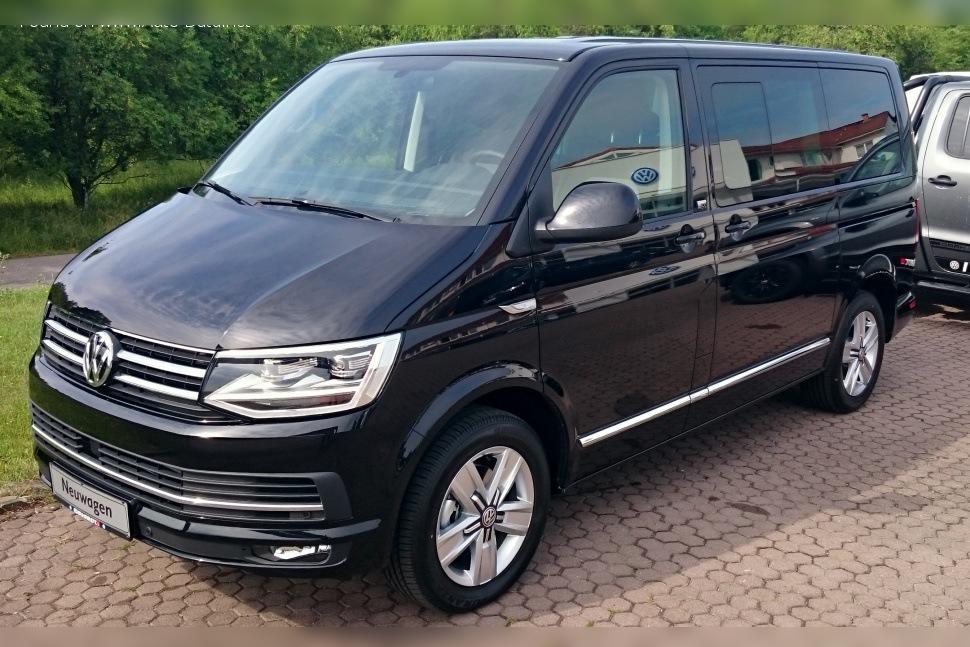
VW 2.0 TDI (CXGB) – Experiences, problems, fuel consumption and buying used
Key points (TL;DR)
- Reliability: The engine’s core (block, pistons) is very robust, but auxiliary components tend to cause problems.
- Performance: With 102 hp in the heavy Multivan T6, this is an engine for patient drivers. It lacks power for overtaking on open roads.
- Emissions: The AdBlue system and EGR valve are the most common failure points and can be very expensive.
- Maintenance: The large oil capacity extends engine life, but makes minor services more expensive.
- Drive: Uses a timing belt (major service is mandatory).
- Recommendation: Ideal for city driving and delivery use, but for long family trips I recommend more powerful versions (150 hp+).
Contents
- Technical specifications
- Reliability and maintenance
- Specific components (costs)
- Fuel consumption and performance
- Additional options and modifications
- Gearbox
- Buying used and conclusion
The engine code CXGB belongs to the modern EA288 generation of diesel engines from the Volkswagen Group. This is the “workhorse” option for the T6 Multivan and Transporter models. Although it shares the same 1968 cc base with much more powerful variants (150 or 204 hp), this version is factory “detuned” to 102 hp for longevity and a lower price. Its primary role is reliability in commercial use, but is that enough for a private owner in a heavy vehicle like the Multivan? Let’s look at the details.
Technical specifications
| Parameter | Value |
|---|---|
| Engine displacement | 1968 cc (2.0 TDI) |
| Power | 75 kW / 102 hp |
| Torque | 250 Nm at 1500–2500 rpm |
| Engine code | CXGB |
| Injection type | Common Rail (Direct) |
| Charging | Turbocharger (VGT) + intercooler |
| Emission standard | Euro 6 (with AdBlue) |
Reliability and maintenance
When we talk about the CXGB engine, we’re talking about a unit designed to cover hundreds of thousands of kilometres, provided it’s properly maintained. Still, like any modern diesel, it’s not immune to issues.
Timing system (major service)
This engine uses a timing belt to drive the camshafts. The factory replacement interval is often optimistic and quotes up to 210,000 km for markets with good roads and fuel quality.
However, considering that the T6 Multivan is subjected to heavy loads, my strong recommendation as an editor is to do the major service at a maximum of 150,000 to 160,000 km or every 5 to 7 years. A snapped belt leads to catastrophic engine damage (pistons hitting valves), and repairs cost thousands of euros. The water pump must be replaced together with the belt; on this engine it is electronically controlled (variable flow) and is known to start leaking.
Oil and consumption
The oil capacity of this engine is surprisingly large for a 2.0 – it takes about 7.4 litres (this can vary +/- 0.5 L depending on the exact sump and filter). This is actually good news, as a larger oil volume cools the engine better and degrades more slowly.
Recommendation: Use only 5W-30 oil that meets the strict VW 507.00 specification because of the DPF filter.
As for oil consumption, EA288 engines (including the CXGB) are significantly better than the old PD units. Consumption of 0.5 to 1 litre per 10,000 km is considered acceptable, especially if the vehicle is driven on motorways under load. If it uses more than that, the turbocharger and piston rings should be checked first.
Injectors
The CXGB uses a Common Rail system with electromagnetic or piezo injectors (depending on the series, but more often the more reliable Bosch versions in this power output). The injectors are generally long-lasting and can easily exceed 250,000 km.
Symptoms of problems: Rough idle, increased smoke when you press the accelerator, or harder starting. They are sensitive to poor-quality fuel, so regular fuel filter changes are crucial.
Specific components (costs)
Dual-mass flywheel
Yes, this engine does have a dual-mass flywheel. Although it only produces 250 Nm of torque, the heavy Multivan body puts a huge strain on the drivetrain. The dual-mass flywheel serves to absorb diesel vibrations before they reach the gearbox.
Symptoms of failure include metallic rattling when switching the engine off or vibrations in the clutch pedal. Replacement is usually unavoidable between 150,000 and 200,000 km. The price of the kit (clutch + flywheel) falls into the “expensive” category (varies by market).
Turbocharger
The engine has a single turbocharger with variable geometry. It’s not heavily stressed because the engine runs at a lower power output, so the turbo’s lifespan is often equal to the engine’s, provided oil changes are done regularly. Problems mainly arise due to clogged geometry (driving at low revs), which leads to the car going into “safe mode” (loss of power above 3000 rpm).
DPF, EGR and AdBlue – Achilles’ heel
This is a critical section for T6 owners. The engine meets the Euro 6 standard and has a full emissions control package:
- EGR valve: Prone to soot build-up. It’s often integrated with the EGR cooler, which makes replacement more expensive. Symptoms include loss of power and the “check engine” light coming on.
- DPF filter: If the Multivan is driven only in the city (stop-and-go), the DPF cannot regenerate properly. This leads to clogging and eventually the need for expensive cleaning or replacement.
- AdBlue system: This is a common problem on the T6. The heater in the AdBlue tank, as well as the pump itself, often fail. The AdBlue injector can also clog due to urea crystallisation. Repairs are expensive (often the entire module is replaced). Proper maintenance means topping up with quality AdBlue and occasionally driving on open roads so the system can “clear itself out”.
Fuel consumption and performance
Is the engine “sluggish”?
To be direct: Yes, the engine is underpowered for the Multivan T6 if you’re planning family trips with a fully loaded car and luggage. With 102 hp and 250 Nm, acceleration to 100 km/h takes “forever” (around 16–18 seconds). In city driving it’s perfectly adequate because the gearbox is short-geared, so pulling away from traffic lights isn’t an issue. But overtaking trucks on country roads requires serious planning and a long stretch of clear road.
Fuel consumption
- City driving: Expect between 8.5 and 10 l/100 km. The heavy body (over 2 tonnes) takes its toll at every start.
- Open road (80–90 km/h): This is where the engine is most economical, and consumption can drop to 6.5–7 l/100 km.
- Motorway (130 km/h): At this speed the engine runs at higher revs (because of the 5-speed gearbox) and the “brick-like” aerodynamics become obvious. Consumption easily jumps to 9–10 l/100 km, and cabin noise becomes noticeable. Cruising is more pleasant at 110–120 km/h.
Additional options and modifications
Chip tuning (Stage 1)
This is probably the most interesting topic for this engine. Since the CXGB is hardware-wise very similar (or identical in many components) to the more powerful versions (e.g. 150 hp), it has huge potential to be “unlocked”.
A safe Stage 1 remap can raise power from 102 hp to around 140–150 hp, and torque from 250 Nm to over 340 Nm. This completely transforms the vehicle. The engine becomes livelier, easier to drive, and at the same pace fuel consumption can even slightly decrease. Note: Before remapping, check the condition of the clutch and flywheel, as the increased torque will finish off any already worn components much faster.
Gearbox
With the CXGB (102 hp) engine in the T6, the standard option is a 5-speed manual gearbox.
- Reliability: The gearbox is robust, but suffers from bearing issues if the vehicle is overloaded or driven aggressively. A whining noise in certain gears is a sign of worn bearings.
- Clutch and flywheel: As mentioned, the dual-mass flywheel is a wear item. The cost of replacing the complete kit (clutch + pressure plate + release bearing + dual-mass flywheel) is in the “very expensive” category for the average driver, but it’s necessary roughly every 180,000 km (depending on the market and driving style).
- Gearbox maintenance: Although VW often claims the gearbox oil is “lifetime fill”, I recommend changing the oil in the manual gearbox every 100,000 km. This will preserve the synchros and bearings.
Note: Automatic DSG gearboxes are rarely (almost never) paired with this weakest engine version in the T6. They are reserved for the 150 hp and more powerful models.
Buying used and conclusion
What to check before buying?
- Cold start: Listen to the engine when it’s cold. If you hear metallic knocking that disappears when you press the clutch, the dual-mass flywheel is due for replacement.
- AdBlue system: Use diagnostics to check for any errors related to the “Reductant heater” or “AdBlue pump”. These are expensive failures.
- Coolant leaks: Look around the water pump and thermostat housing.
- Belt condition: Ask for proof of a replaced timing belt if the vehicle is close to 200,000 km.
Conclusion
The VW 2.0 TDI (CXGB) with 102 hp is an engine for the head, not the heart. It’s intended for companies, hotels for airport shuttle services (where high speeds are not needed), and families on a limited budget who still want a T6.
Its biggest drawback is the lack of power for the vehicle’s weight, but this can be solved with a quality remap. If you find a car with a proper service history and you’re aware of the potential investments in the emissions systems (EGR/AdBlue) and flywheel, it can be a very long-lasting companion. For frequent motorway trips, however, look for the 150 hp version.
Was this content useful to you?
Your opinion helps us to improve the quality of the content.