CAAA, CXGA Engine
- Engine
- 1968 cm3
- Aspiration
- Turbocharger, Intercooler
- Fuel
- Diesel
- Fuel injection system
- Diesel Commonrail
- Power
- 84 hp @ 3500 rpm
- Torque
- 220 Nm
- Cylinders
- 4
- Valves
- 16, 4 per cylinder
- Cylinders position
- Inline
- Oil capacity
- 7 l
- Systems
- Particulate filter
# Vehicles powered by this engine
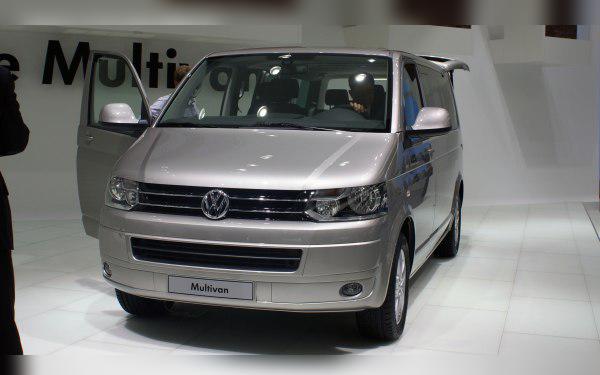
2.0 TDI (CAAA, CXGA) 84 HP: Experiences, problems, fuel consumption and is it too weak for the Multivan?
In short (TL;DR)
- Performance: With only 84 HP and 220 Nm, this is the weakest engine version in the T5/T6. The engine is extremely sluggish for the weight of the vehicle, especially on open roads.
- Reliability: Mechanically very robust. Since it is software-detuned, components are under less stress than in the more powerful versions (140/180 HP).
- Tuning potential: This is probably the best candidate for a Stage 1 remap. Since it shares hardware with stronger versions (often with the 102 HP or even the 140 HP one), power can safely be almost doubled.
- Emissions: CAAA (T5 GP) has no AdBlue, while the newer CXGA (T6) has an AdBlue system that can be expensive to repair.
- Maintenance: Requires a large amount of oil (around 7 liters), and the EGR valve and DPF are sensitive to city driving.
- Gearbox: Comes exclusively with a 5-speed manual gearbox which is durable, but lacks a sixth gear for highway driving.
Contents
- Technical specifications
- Reliability and maintenance
- Specific parts (costs)
- Fuel consumption and performance
- Additional options and modifications (tuning)
- Gearbox and drivetrain
- Buying used and conclusion
Introduction
The 2.0 TDI engine in the 84 horsepower variants (engine codes CAAA for the T5 Facelift and CXGA for the T6) is the entry ticket into the world of Volkswagen vans. This is the basic, entry-level unit primarily intended for commercial use, city delivery and fleet buyers who want the lowest purchase price and potentially the longest service life due to lower component stress. Although 84 HP sounds far too little for a vehicle weighing over 2 tons, this engine has its target audience, and with certain modifications it can become a real “best-buy”.
Technical specifications
| Characteristic | Data |
|---|---|
| Displacement | 1968 cc (2.0 l) |
| Power | 62 kW (84 HP) at 3500 rpm |
| Torque | 220 Nm at 1250–2500 rpm |
| Engine codes | CAAA (Euro 5, T5 GP), CXGA (Euro 6, T6) |
| Injection type | Common Rail (CR) |
| Induction | Turbocharger (VGT) + intercooler |
| Number of cylinders/valves | 4 cylinders / 16 valves (DOHC) |
Reliability and maintenance
Timing belt or chain?
This engine uses a timing belt to drive the camshafts. This is good news because the system is quieter and generally more predictable than the chains on older engine generations. The factory’s recommended replacement interval is often an optimistic 210,000 km, but practice and mechanic experience suggest that the major service should be done earlier.
At what mileage should the major service be done?
Although VW states 210,000 km (or 10 years) for CAAA/CXGA engines, it is strongly recommended to shorten the interval to 150,000 to 160,000 km or a maximum of 6–7 years. The risk of belt failure or, more often, water pump failure (which is driven by the belt) is not worth the savings. During the major service, the belt, tensioners, rollers and water pump must all be replaced.
Most common failures
Since the engine is lightly stressed, the mechanical parts themselves (pistons, rings, bearings) are extremely durable. However, the peripherals cause problems:
- EGR valve and EGR cooler: A common issue, especially on vehicles driven on short trips. Symptoms include loss of power, a “Check Engine” light and coolant (antifreeze) leaking into the engine.
- Exhaust gas temperature sensors: They often fail, which prevents DPF regeneration.
- Auxiliary (serpentine) belt: The serpentine belt tensioner can loosen, and in the worst case, pieces of the belt can get under the timing belt and cause catastrophic engine damage. Have it checked at every minor service.
Oil: quantity, grade and consumption
These engines have a large oil sump. The engine takes about 7.0 to 7.5 liters of oil (check the exact amount by VIN, but it is significantly more than on passenger Passats/Golfs).
Grade: Mandatory 5W-30 that meets the VW 507.00 specification (because of the DPF filter).
Oil consumption: Common Rail engines are significantly better than the old PD units in this regard. Consumption of 0.5 to 1 liter per 10,000 km is considered completely normal and acceptable, especially if the vehicle is driven under load. If it consumes more than that, the turbocharger or leaks should be checked.
Injector longevity
The injection system is Common Rail (usually Continental/Siemens or Bosch, depending on model year). Injectors are generally very reliable and often last over 250,000–300,000 km without issues, provided quality fuel is used. Symptoms of bad injectors include rough idle (“knocking”), smoke on cold start and increased fuel consumption. Reconditioning is possible, but not cheap (depends on the market, but expect it to be “expensive” for a set of 4).
Specific parts (costs)
Dual-mass flywheel
Yes, even this weakest version in Multivan/Transporter form usually has a dual-mass flywheel (DMF). Although the engine has low torque (220 Nm), the heavy body puts a lot of stress on the transmission. Symptoms of failure include knocking when starting/stopping the engine and vibrations in the clutch pedal.
Turbocharger
The engine uses a variable geometry turbocharger (VGT), even though power is low. The service life of the turbo on the 84 HP version is extremely long, often lasting as long as the engine itself, because it operates at very low boost pressure relative to its capacity. This is one of the brightest points of this engine.
DPF and EGR
All models (CAAA and CXGA) have a DPF filter and an EGR valve.
The problem: Since the engine is weak, drivers often keep it at low revs trying to save fuel, or the vehicle is used for city delivery (stop-and-go). This is deadly for the DPF. Clogging is common if the vehicle is not driven on open roads at least once a week.
AdBlue (difference between CAAA and CXGA)
This is the key difference:
CAAA (T5 Facelift, Euro 5): No AdBlue system. Less hassle for the owner.
CXGA (T6, Euro 6): Has an AdBlue system. The system is complex, with heaters in the tank, a pump and a urea injector. AdBlue system failures are common (crystallization, pump failure) and repairs are very expensive (often over 500–1000 EUR, depending on the market). Maintenance involves regularly topping up with quality fluid.
Fuel consumption and performance
Is the engine “sluggish”?
Let’s be honest: Yes, extremely. With 84 HP in a 2+ ton vehicle (when loaded), acceleration to 100 km/h takes an eternity (over 20 seconds). Overtaking on country roads requires a long straight, good visibility and turning off the air conditioning. Uphill sections are its worst enemy, where you will often have to shift down to 3rd or even 2nd gear.
Fuel consumption (city and highway)
- City driving: Expect between 8.5 and 10 liters/100 km. Although the engine is small, it has to be pushed hard to move the heavy body, which increases consumption.
- Highway: Due to the lack of a 6th gear, fuel consumption at 130 km/h rises to around 8.5–9.5 liters, as the engine runs at high revs.
Highway behavior (cruising)
This is not its natural habitat. At 130 km/h in 5th gear, the engine spins at about 3000 rpm (depending on tire size). This means: cabin noise is pronounced and fuel consumption increases. The ideal cruising speed for this engine is around 100–110 km/h.
Additional options and modifications
Chip tuning (Stage 1) – the secret weapon
This is where we come to the biggest advantage of this engine. The 84 HP version is mechanically almost identical to the 102 HP version (CAAB), and often shares most of the hardware with the 140 HP version (CAAC), depending on the series.
Potential: With a simple Stage 1 remap (software change), this engine can be safely raised to 130–140 HP and gets a huge jump in torque (from 220 Nm to 320+ Nm). This transforms the vehicle from a “dead horse” into a perfectly decent van. This is probably the most cost-effective investment for owners of the 84 HP version.
Gearbox
Gearbox type
The 84 HP engine almost exclusively comes with a 5-speed manual gearbox. Automatic DSG gearboxes are reserved for more powerful versions (140 HP+).
Most common failures and maintenance
- Driveshafts (right side): The legendary VW Transporter problem. The splines on the driveshaft and in the gearbox input wear out and strip. The symptom is a sudden loss of drive with grinding noises, even though the engine is running and gears can be selected. Preventive checks of grease and spline condition are recommended.
- Oil change: Although VW often says the oil is “lifetime”, it is recommended to change the gearbox oil every 80,000 to 100,000 km. This is a small cost (about 2 liters of oil) that significantly extends gearbox life.
- Clutch and flywheel: Replacing the clutch kit with the dual-mass flywheel is expensive (depends on the market, but expect a serious expense). They usually last between 150,000 and 200,000 km, depending on how heavily the vehicle is loaded.
Buying used and conclusion
What to check before buying?
- Flywheel noise: Listen for metallic noises when switching off the engine without pressing the clutch.
- EGR/DPF condition: A diagnostic scan is mandatory to check DPF saturation and injector corrections.
- Service history: Check when the major service was done and whether 507.00-spec oil was used.
- Driveshafts: If you feel play when setting off or hear strange noises, the driveshaft may be near the end of its life.
Final verdict
The 2.0 TDI 84 HP (CAAA/CXGA) engine is intended for patient drivers and those who watch every euro when buying a vehicle. It is extremely reliable because it is mechanically lightly stressed, but the factory performance is frustrating for family use or heavy loads.
Should you buy it?
YES – if you plan to do a chip tune immediately after purchase. You will get a reliable engine with the power of a more expensive model for less money.
NO – if you plan frequent highway driving at high speeds or towing a trailer and do not want to modify the vehicle. The lack of a 6th gear will bother you.
Was this content useful to you?
Your opinion helps us to improve the quality of the content.