DTRA Engine
- Engine
- 1968 cm3
- Aspiration
- Turbocharger, Intercooler
- Fuel
- Diesel
- Fuel injection system
- Diesel Commonrail
- Power
- 122 hp @ 3600 rpm
- Torque
- 250 Nm
- Cylinders
- 4
- Valves
- 16, 4 per cylinder
- Cylinders position
- Inline
- Oil capacity
- 5.5 l
- Systems
- Start & Stop System, Particulate filter
# Vehicles powered by this engine
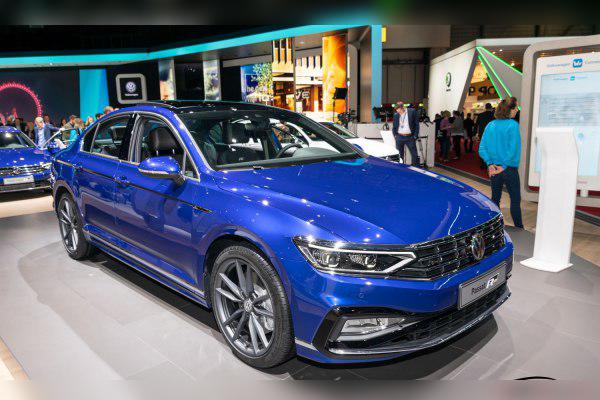
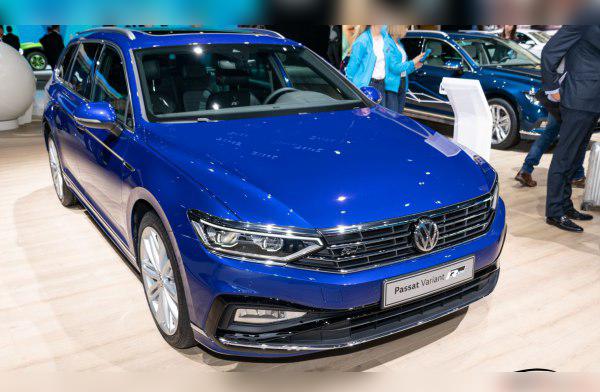
2.0 TDI (DTRA) – Entry Ticket to the World of Sedans: Ownership, Maintenance, and Is 122 HP Enough for a Passat?
Most important in short (TL;DR)
- Replacement for 1.6 TDI: This engine is the successor to the smaller 1.6 diesel, but with a 2.0-liter block, which promises greater longevity and less stress in operation.
- Timing belt drive: It uses a belt, not a chain, which makes regular maintenance cheaper, but requires strict adherence to replacement intervals.
- AdBlue system: It features an advanced "Twin Dosing" AdBlue system that is efficient, but adds complexity and potential maintenance costs.
- Performance: With 122 HP it’s no racer. It’s excellent for city driving and cruising, but overtaking on country roads requires planning.
- Tuning potential: Since this is a “detuned” version of the 2.0 engine, a Stage 1 remap can safely unlock a drastic increase in power.
- Fuel consumption: Extremely economical, especially on open roads where it’s “in its element”.
- Gearbox: Paired with a DSG gearbox it offers top comfort, but requires regular gearbox oil changes.
Contents
Introduction: Why a 2.0 engine with only 122 HP?
The engine with the code DTRA belongs to the newer generation of Volkswagen diesel units (EA288 Evo) and is specific in that it represents the "entry-level" diesel option for the facelifted Passat B8 (from 2019 onwards). Many people wonder why VW installed a 2.0-liter engine and extracted only 122 horsepower from it. The answer lies in emissions and durability. This engine is a direct replacement for the old 1.6 TDI. By increasing the displacement to 2.0 liters, the engine runs less stressed, has better torque at low revs, and more easily meets strict Euro 6d exhaust emission standards. This is the engine you will most often find in company cars (fleet sales), because it offers a perfect balance between low fuel consumption and longevity.
Technical specifications
| Parameter | Data |
|---|---|
| Engine code | DTRA |
| Displacement | 1968 cc (2.0 L) |
| Power | 90 kW (122 HP) |
| Torque | 250 Nm at 1600–2500 rpm |
| Injection type | Common Rail (Direct injection) |
| Valve timing drive | Timing belt |
| Turbo | Single turbocharger (VGT - variable geometry) |
| Emissions | Euro 6d-TEMP / Euro 6d (with AdBlue) |
Reliability and Maintenance
Belt or chain?
The DTRA engine uses a timing belt to drive the camshafts. This is good news for most owners because the system is quieter and generally cheaper to maintain than the complex chains that were known to cause issues on older generations.
Major service and intervals
The factory recommendation for timing belt replacement is often optimistic (up to 210,000 km in Western markets), but real-world practice and mechanics’ experience call for caution. Recommendation: Do the major service (belt, tensioners, water pump) at 150,000 to 180,000 km or every 5 to 7 years, whichever comes first. A snapped belt leads to catastrophic engine damage, so saving money here is risky.
Oil and oil consumption
This engine takes approximately 5.5 to 5.7 liters of oil (always check the exact quantity at service). You must use oil that meets the VW 507.00 specification (LongLife III), most commonly in 0W-30 or 5W-30 grades.
As for oil consumption, these engines are significantly better than the older PD (Pumpe-Düse) units. Consumption of 0.5 liters per 10,000 km is perfectly acceptable and considered normal. If the engine uses more than 1 liter over a service interval, the turbocharger or piston rings should be checked, although this is rare at lower mileages.
Injectors
The DTRA uses modern Common Rail injectors. They are generally durable and can easily exceed 250,000 km without issues, provided you use good-quality fuel.
Symptoms of problems: Rough idle, harder cold starts, or increased smoke. They are sensitive to the presence of water in the fuel.
Most common failures
- Water pump: A known weak point of EA288 engines. It has a variable “shutter” that regulates coolant flow for faster warm-up. This mechanism can stick, leading to overheating. It should always be replaced with the major service.
- AdBlue system electronics: NOx sensors or the urea pump can fail, which triggers the "Check Engine" light and may eventually prevent the engine from starting if not resolved.
- Coolant leaks: Often from the thermostat housing or the EGR cooler.
Specific Parts (Costs)
Dual-mass flywheel
Yes, this engine has a dual-mass flywheel (DMF). Although it has relatively modest torque (250 Nm), the flywheel serves to absorb diesel vibrations and protect the gearbox. Its typical lifespan is between 200,000 and 250,000 km, but city stop-and-go driving drastically shortens it.
Cost: Expensive. (Depends on the market).
Turbocharger
The engine has a single turbocharger with variable geometry. It is not heavily stressed because the engine runs at lower power output (122 HP), so the turbo is usually very durable. With regular oil changes and proper cooldown after fast driving, the turbo should last as long as the engine.
DPF, EGR and AdBlue
This is a Euro 6d engine, which means the aftertreatment system is very complex.
- DPF filter: Standard equipment. If you drive 90% of the time in the city, it will clog. It needs regular regeneration on open roads.
- EGR valve: Prone to soot build-up. Symptoms include loss of power and jerking.
- AdBlue: This model uses a Twin Dosing system (two SCR catalysts). This is great for emissions, but means more components that can fail. AdBlue consumption can be higher than on older models. The system must always have fluid; if it runs out, the car will not start. Maintenance involves topping up the fluid and occasionally checking the system for leaks (white crystals around injectors/pump).
Fuel Consumption and Performance
Real-world fuel consumption
- City driving: Considering that the Passat is a heavy car (around 1.5 tons), in the city you can expect between 6.0 and 7.5 l/100km, depending on traffic and how heavy your right foot is.
- Highway: This is where the DTRA shines. At 130 km/h, consumption is around 4.5 to 5.5 l/100km. One tank will take you a very long way.
Is the engine “lazy”?
With 122 HP and 250 Nm in a Passat body, to be honest – this is not a fast car.
In city driving, thanks to the turbo, it feels perfectly lively and adequate. However, if the car is loaded with passengers and luggage, on inclines and when overtaking on country roads, the lack of power becomes noticeable. The driver has to be more patient and plan overtakes earlier. It’s not dangerously slow, but it doesn’t offer any kind of sporty excitement.
On the highway at 130 km/h the engine runs quiet and smooth, with low revs (especially with the 7-speed DSG), which makes it an ideal cruiser.
Additional Options and Modifications
Remapping (Stage 1)
This is perhaps the biggest hidden trump card of this engine. Since the DTRA is physically almost identical to the more powerful 2.0 TDI versions (from 150 HP), it is only software-“strangled” from the factory.
With a safe Stage 1 remap, this engine can easily be taken to 150 HP and even up to 180 HP, with a significant increase in torque (often over 350–380 Nm). This completely transforms the car and solves the “sluggishness” issue, and if driven sensibly, does not negatively affect engine life. Still, keep in mind that any modification carries the risk of voiding the warranty (if still valid) and puts more stress on the clutch.
Gearbox
Types of gearboxes
With the DTRA engine in the Passat B8 facelift, you will most commonly find a 7-speed DSG automatic gearbox (usually code DQ381, although on lower torque versions the DQ200 with dry clutch was used earlier – always check by VIN). There are also versions with a 6-speed manual gearbox.
DSG maintenance and failures
If it is a DSG (S-tronic): this is an excellent gearbox that shifts quickly and smoothly.
- Service: Gearbox oil changes are MANDATORY every 60,000 km (for “wet” clutch versions). Neglecting this leads to expensive failures.
- Most common failures: Mechatronics (the gearbox “brain”) and the clutch pack. Symptoms include juddering when setting off, harsh shifts, or delayed response.
- Dual-mass flywheel with DSG: It can be heard as a metallic knocking at idle (a “click-clack” sound) that disappears or changes when you rev the engine. Replacement is expensive (depends on the market).
Manual gearbox
Manual gearboxes are robust. Failures are rare, and the most common expense is a clutch kit and dual-mass flywheel. Replacing a clutch kit is cheaper than repairing a DSG.
Buying Used and Conclusion
Before buying a Passat with the DTRA engine, pay attention to:
- Cold start: Listen for any chain noise (even though it has a belt, on some variants the camshafts are linked by a chain inside the head; here you mainly listen to injector and flywheel noise). There should be no metallic rattling.
- Coolant: Check the level. If it’s low, it could be the EGR cooler or water pump. Look at the color (it should be clean pink/purple G12evo/G13).
- Diagnostics: Check DPF status (ash loading) and injector correction values. Also verify that the AdBlue system is working properly.
Conclusion: Who is it for?
The VW Passat 2.0 TDI (DTRA 122 HP) is a rational choice. It’s not for enthusiasts looking for neck-snapping acceleration. This is an ideal car for families, taxi drivers, or people who cover high mileages on open roads and want the reliability of a 2.0 block with minimal fuel consumption. If you miss some power, a simple remap solves the problem, making it perhaps a “best buy” option, as it is often cheaper to purchase than the factory more powerful models.
Was this content useful to you?
Your opinion helps us to improve the quality of the content.