DCZA Engine
- Engine
- 1598 cm3
- Aspiration
- Turbocharger, Intercooler
- Fuel
- Diesel
- Fuel injection system
- Diesel Commonrail
- Power
- 120 hp
- Torque
- 250 Nm
- Cylinders
- 4
- Valves
- 16, 4 per cylinder
- Cylinders position
- Inline
- Oil capacity
- 4.7 l
- Systems
- Particulate filter
# Vehicles powered by this engine
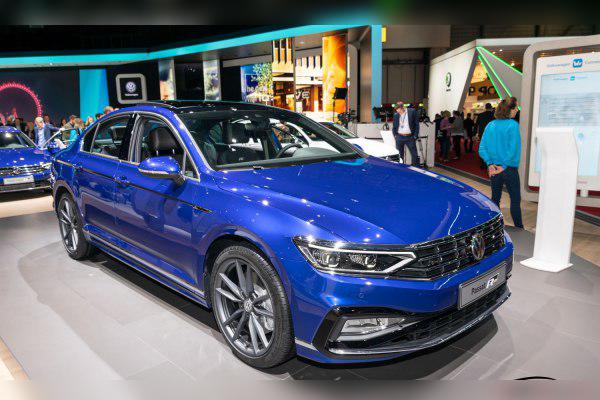
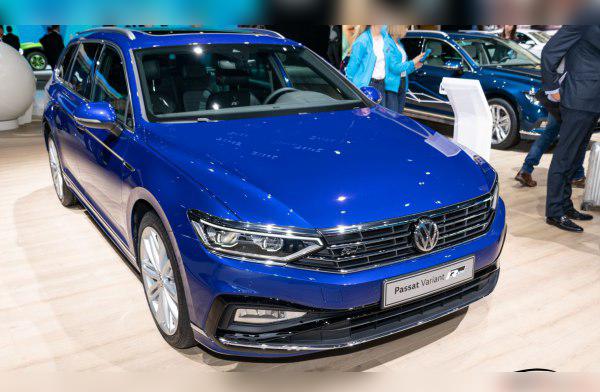
VW 1.6 TDI (DCZA) – Experiences, problems, fuel consumption and used-car buying tips
Key points (TL;DR)
- Purpose: Ideal for fleet vehicles and drivers who cover high mileage on open roads, but do not seek sporty performance.
- Economy: Extremely low fuel consumption, among the lowest in its class (Passat B8).
- Main issues: AdBlue system (pumps and heaters), DPF filter in city driving and water pump.
- Gearbox: Usually paired with a 7-speed DSG gearbox (dry clutch) which requires a mechatronics check.
- Maintenance: Requires regular servicing and high-quality oil; sensitive to poor-quality fuel.
- Power: 120 hp is “just right” for cruising, but the lack of power is noticeable when overtaking under load.
Contents
Introduction: A legendary engine in a modern package
The engine designated DCZA is an evolution of Volkswagen’s well-known 1.6 TDI unit, adapted to the strict Euro 6d-TEMP (and newer) standards. This engine is primarily installed in the facelifted Volkswagen Passat B8 (from 2019 onwards), both in sedan and estate (Variant) versions. Compared to older 105 or 110 hp versions, the DCZA brings 120 hp and a more sophisticated exhaust aftertreatment system.
This is an engine that divides opinions – fleets love it for its low running costs, while enthusiasts often consider it “too weak” for a car the size of a Passat. Still, as a used car, it is one of the most common options on the market and deserves a detailed analysis.
Technical specifications
| Specification | Data |
|---|---|
| Engine code | DCZA (EA288 Evo family) |
| Displacement | 1598 cc (1.6 litres) |
| Power | 88 kW / 120 hp at 3500–4000 rpm |
| Torque | 250 Nm at 1500–3250 rpm |
| Fuel type | Diesel (Euro 6d-TEMP / Euro 6d) |
| Injection system | Common Rail (direct injection) |
| Induction | Turbocharger with variable geometry (VGT) + intercooler |
| Valvetrain | 16 valves (DOHC) |
Reliability and maintenance
Timing system: Belt or chain?
The DCZA engine uses a timing belt to drive the camshafts. This is good news for owners because the system is quieter and generally more predictable than a chain. The factory replacement interval (“major service”) is often optimistically set at 210,000 km. However, workshop experience across Europe suggests caution.
The recommendation is to do the major service (timing belt kit, tensioners, idlers and mandatory water pump) between 150,000 km and 180,000 km or every 5 to 6 years, whichever comes first. A snapped belt leads to catastrophic engine damage, so saving money here is risky.
Oil and oil consumption
This engine takes approximately 4.6 to 4.7 litres of oil. It is mandatory to use oil that meets the strict VW 507.00 specification (Low SAPS due to the DPF filter). The recommended viscosity grade is usually 0W-30 or 5W-30.
As for oil consumption, EA288-generation 1.6 TDI engines have proven to be decent. Normal consumption is up to 0.5 litres per 10,000 km, and many units do not require topping up between services. If the engine consumes more than 1 litre over a service interval, this may indicate a problem with the turbocharger or piston rings, although this is rarer at lower mileages.
Injectors
The DCZA uses sophisticated Common Rail injectors. They are generally long-lasting and can easily exceed 250,000 km without issues, provided that high-quality fuel is used and the fuel filter is changed regularly. Symptoms of faulty injectors include rough idle (fluctuating revs), harder cold starts and increased smoke. Refurbishment is possible, but a new injector is expensive (depends on the market).
Most common failures
- Water pump: A common issue on EA288 engines is the variable-flow water pump. The sleeve that regulates flow can seize, leading to engine overheating. If you notice that coolant temperature fluctuates or jumps above 90°C, react immediately.
- Oil leaks: Sometimes leaks appear at the crankshaft oil seal or valve cover.
- Sensors: Failures of various exhaust gas temperature sensors are not uncommon.
Specific parts and costs
Dual-mass flywheel
Yes, this engine has a dual-mass flywheel, regardless of whether it is paired with a manual or DSG gearbox. Its role is to dampen diesel engine vibrations. Symptoms of failure include metallic noises (rattling) when switching the engine off, vibrations in the cabin at idle and juddering when setting off. Replacing the clutch kit together with the flywheel is a very expensive job (depends on the market).
Turbocharger
The engine uses a single turbocharger with variable geometry. It is not prone to sudden failures if the car is regularly maintained. With proper use (cooling down after fast driving), its lifespan is usually equal to the engine’s lifespan. If you hear a siren-like whine, it is a sign that the turbo is nearing the end of its life.
Emissions systems: DPF, EGR and AdBlue
This is a critical point for the DCZA engine. As a modern Euro 6d unit, it is equipped with a full set of emissions systems:
- DPF and EGR: If the vehicle is used exclusively in the city (short trips, engine not fully warmed up), the DPF filter clogs quickly and the EGR valve gets sooted up. Symptoms include a warning light on the dashboard and the car going into “safe mode” (loss of power).
- AdBlue (SCR): This engine has an AdBlue system. This is a frequent source of headaches. Problems include failure of the heater in the AdBlue tank, pump failure or crystallisation of the fluid on the injector. AdBlue system repairs are often expensive, and if the system fails, the car will not start after a certain number of kilometres. Regular maintenance only involves topping up the fluid, but it is recommended to use additives that prevent crystallisation.
Fuel consumption and performance
Real-world fuel consumption
This is the strongest selling point of this engine.
City driving: Depending on traffic, expect between 5.5 and 6.5 l/100 km. The start-stop system helps here.
Open road / motorway: When cruising on main roads, consumption drops below 4.5 l/100 km. On the motorway at 130 km/h, fuel consumption is around 5.0–5.5 l/100 km.
Is the engine “sluggish”?
For the Passat B8 (which is not a light car), 120 hp and 250 Nm is at the lower limit of acceptability. In city driving, thanks to torque available from 1500 rpm, the car feels adequately lively. However, on open roads, especially when the car is loaded with passengers and luggage, overtaking requires planning. It is not a “racer”, but it is not dangerously slow either. For an average family driver – more than adequate.
At 130 km/h in top gear (usually 7th gear on the DSG), the engine runs at pleasantly low revs (around 2000–2200 rpm), which ensures a quiet cabin.
Additional options and modifications
Chip tuning (Stage 1)
Given that the hardware is similar to more powerful versions, the DCZA responds well to remapping. With a Stage 1 remap, power is usually raised to around 145–150 hp, and torque to around 300–320 Nm. This difference is very noticeable in driving; the car becomes more responsive and carries the Passat’s body much more easily. However, keep in mind that the increased power puts additional stress on the DSG gearbox (especially the dry clutch) and the flywheel.
Gearbox: Manual and automatic (DSG)
Which gearboxes are fitted?
With the DCZA engine in the facelifted Passat B8 you will most commonly find:
- Manual gearbox (6-speed): Very precise and reliable. Maintenance is minimal (oil change at high mileage). Failures are rare and mostly related to the clutch kit and flywheel.
- DSG (7-speed): This requires caution. With the 1.6 TDI (250 Nm), it is usually paired with the DQ200 gearbox. This is a gearbox with dry clutches.
DSG (DQ200) issues
The DQ200 gearbox is designed for torque up to 250 Nm, which means this engine operates right at the design limit of the gearbox.
Most common failures: Premature wear of clutch plates due to stop-start city driving and mechatronics (control unit) failures. Symptoms include juddering when setting off, hesitation when changing gears or a warning light on the dashboard.
Maintenance: Although VW often states that the oil in this gearbox is “lifetime fill”, experts recommend changing the oil in the gearbox and mechatronics every 60,000 km to extend its service life.
Buying used and conclusion
When buying a Passat with this engine, pay attention to:
- Cold start: The engine should start immediately, without prolonged cranking and without a cloud of smoke.
- Flywheel noise: Listen for rattling while the car is idling and when switching the engine off.
- Diagnostics: Be sure to check DPF saturation and injector condition using a diagnostic tool. Also check the fault history related to the AdBlue system.
- Coolant: Check the colour of the coolant (it should be clear) and look for any signs of leakage around the water pump.
Conclusion: The VW 1.6 TDI (DCZA) is a rational choice. It is not an engine you buy with your heart, but with a calculator. If you cover a lot of kilometres on open roads and want the comfort of a Passat with the fuel costs of a small city car, this is an excellent engine. However, be prepared for potential maintenance costs of the emissions systems and the DSG gearbox, which are the price of driving a modern diesel.
Was this content useful to you?
Your opinion helps us to improve the quality of the content.