DDAA, DFCA Engine
- Engine
- 1968 cm3
- Aspiration
- Turbocharger, Intercooler
- Fuel
- Diesel
- Fuel injection system
- Diesel Commonrail
- Power
- 190 hp
- Torque
- 400 Nm
- Cylinders
- 4
- Valves
- 16, 4 per cylinder
- Cylinders position
- Inline
- Oil capacity
- 4.7 l
- Systems
- Particulate filter
# Vehicles powered by this engine
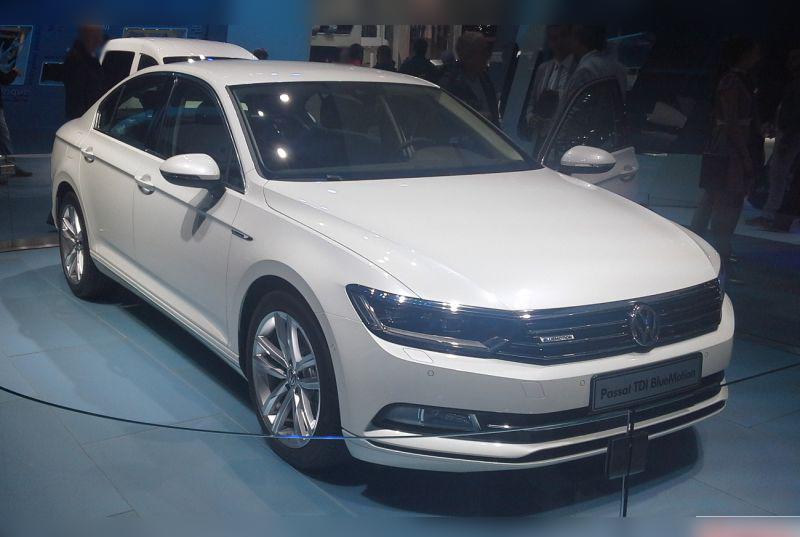
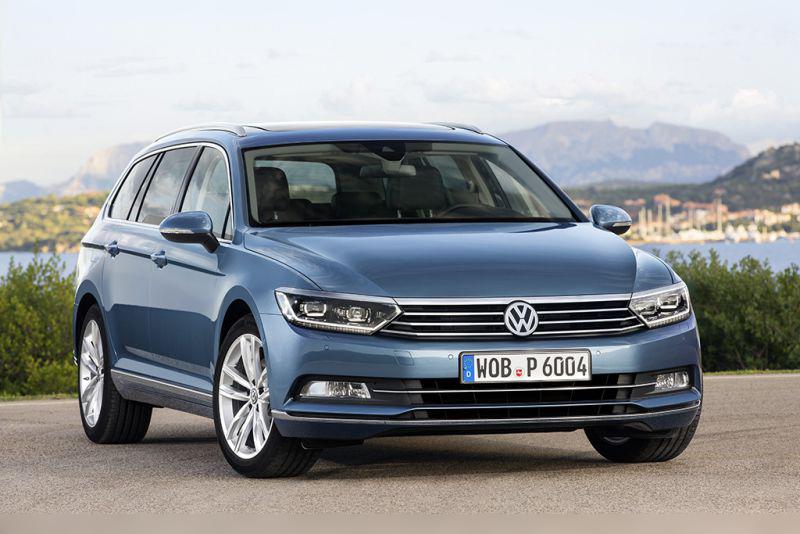
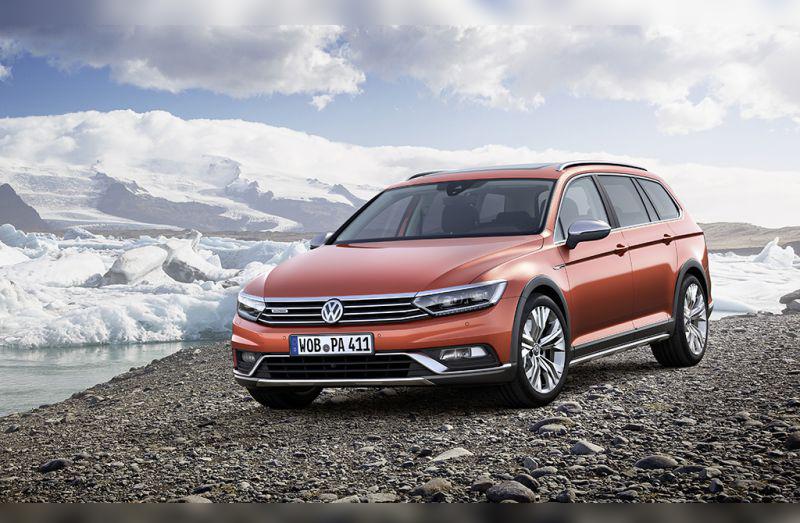
VW 2.0 TDI (190 hp) DDAA / DFCA – Experiences, problems, fuel consumption and buying tips
Volkswagen’s 2.0 TDI engine with 190 horsepower (engine codes DDAA and DFCA) represents the “golden middle” in the Passat B8 lineup. This unit offers significantly better performance than the standard 150 hp version, while not being as complex and expensive to maintain as the 240 hp Bi-Turbo variant. It belongs to the EA288 engine family, which means it complies with Euro 6 standards, but that also brings certain exhaust after-treatment systems that require attention.
Key points in short (TL;DR)
- Excellent power-to-economy ratio: The engine is very capable for overtaking, yet consumes fuel like weaker diesels.
- AdBlue system: This is the Achilles’ heel of this engine. Heaters, pumps and urea injectors often cause problems.
- Water pump: Known issue with leaking or sticking of the variable ring before the timing belt service interval.
- DSG gearbox: Requires strict oil changes every 60,000 km. If respected, it is very reliable.
- Dual-mass flywheel: A wear item; expect replacement above 200,000 km (or earlier with mostly city driving).
- Recommendation: An ideal engine choice for the Passat B8, especially in estate (Variant) or Alltrack versions.
Contents
- Technical Specifications
- Reliability and Maintenance
- Specific Components (Costs)
- Fuel Consumption and Performance
- Additional Options and Modifications
- Gearbox
- Used car buying guide and Conclusion
Technical Specifications
| Specification | Data |
|---|---|
| Engine displacement | 1968 cc (2.0 L) |
| Power | 140 kW / 190 hp |
| Torque | 400 Nm at 1900–3300 rpm |
| Engine codes | DDAA, DFCA |
| Injection type | Common Rail (Direct) |
| Charging system | Variable-geometry turbocharger + intercooler |
| Emissions standard | Euro 6 (with AdBlue system) |
Reliability and Maintenance
Timing belt or chain?
This engine uses a timing belt for the valvetrain. Although the manufacturer often states optimistic replacement intervals of 210,000 km, real-world experience and mechanics’ advice call for caution. It is recommended to do the major timing service between 150,000 km and 180,000 km, or at the latest after 5 to 7 years of age, whichever comes first. A snapped belt leads to piston-to-valve contact, a catastrophic failure that often requires a complete engine replacement.
Most common failures
Although the EA288 series is more reliable than older PD engines, DDAA/DFCA units have their specific weak spots:
- Water pump: This is the most common issue. The pump has an electric actuator (cover) that regulates coolant flow for faster engine warm-up. That mechanism often sticks, or the pump starts leaking well before the timing belt service interval. Symptoms include engine overheating or loss of coolant.
- AdBlue system: Level sensors, the heater in the AdBlue tank, or the pump itself can fail. Repairs are not cheap (market dependent), and the car will often refuse to start if the system is not functioning properly.
- Oil leaks: Sometimes appear at the crankshaft seal or valve cover, but this is not as widespread as on older models.
Oil: quantity, grade and consumption
The engine takes approximately 4.7 to 5.0 liters of oil (always buy 5 liters). You must use oil that meets the VW 507.00 specification. The most commonly recommended grades are 5W-30 or 0W-30 (LongLife III). Using the wrong oil will permanently damage the DPF filter.
As for oil consumption, these engines are significantly better than older generations. Consumption of 0.5 liters per 10,000 km is perfectly acceptable and considered normal. If the engine uses more than 1 liter over a few thousand kilometers, that points to an issue with piston rings or the turbocharger.
Injectors
The injection system on the 190 hp version is very robust. Injectors are usually reliable and can easily exceed 250,000 km with good-quality fuel. Symptoms of bad injectors include rough idle, increased smoke under acceleration and harder starting. Rebuilding is possible, but replacement with new OEM parts (very expensive) is the safest option.
Specific Components (Costs)
Dual-mass flywheel
Yes, this engine has a dual-mass flywheel (DMF), regardless of whether it is paired with a manual or DSG gearbox. In DSG applications, the flywheel often lasts a bit longer because the computer “smooths out” driver errors, but it is still a wear item. Symptoms of wear include a metallic rattling noise at idle that disappears when you rev the engine, or a strong thump/shudder when switching the engine off. Replacement is expensive (market dependent), but unavoidable at higher mileages.
Turbocharger
This model uses a single turbocharger (the 240 hp version has two). Turbo life depends directly on regular oil changes and driving style. With proper maintenance, the turbo will last as long as the engine (300,000+ km). Cold starts and switching off a very hot engine immediately after hard driving are the turbo’s worst enemies.
DPF filter and EGR valve
The engine is equipped with both a DPF (diesel particulate filter) and an EGR valve. If the car is driven mostly on open roads, the DPF can last over 250,000 km without intervention. However, city driving clogs the filter quickly. Symptoms include the DPF warning light and the car going into “safe mode” (reduced power). The EGR valve tends to accumulate soot, which can cause jerking during driving.
AdBlue system
The engine is fitted with an SCR catalyst that uses AdBlue fluid. The system is complex and, unfortunately, prone to failures. Urea crystallization can clog the injector or pump. Regular maintenance includes topping up the fluid (the car warns you in time). If the system fails, repairs are expensive, and software deletion of the system (although illegal in the EU) is common practice in some markets.
Fuel Consumption and Performance
Fuel consumption
Fuel consumption is one of this engine’s strongest points.
- City driving: Expect between 6.5 and 8.5 l/100 km, depending on traffic, how heavy your right foot is, and whether the car has all-wheel drive (4MOTION).
- Open road / country roads: This is where the engine shines. Consumption easily drops to 4.5 to 5.5 l/100 km.
- Motorway (130 km/h): At this speed the engine spins at a low 1900–2100 rpm (depending on gearbox) and uses around 5.5 to 6.5 l/100 km.
Is the engine “lazy”?
Absolutely not. With 400 Nm of torque available from just 1900 rpm, this engine moves the Passat (and even the heavier Alltrack) with ease. Acceleration is convincing and in-gear overtaking is safe. It’s not a sports car, but you will never feel like you’re lacking power, even with a fully loaded car and passengers.
Additional Options and Modifications
Chip tuning (Stage 1)
This engine responds very well to remapping. A Stage 1 tune usually raises power to around 220–230 hp and torque to 450–480 Nm. This is a safe margin that should not drastically shorten component life, provided the turbo, injectors and gearbox are healthy to begin with. Still, keep in mind that higher torque puts additional stress on the flywheel and clutches in the DSG gearbox.
Gearbox
Types of gearboxes
This engine is most commonly paired with the DSG automatic gearbox. The 6-speed manual is very rare in combination with the 190 hp engine.
- DSG 6-speed (DQ250): Installed in earlier models. “Wet” clutch, very reliable.
- DSG 7-speed (DQ381): Installed in newer models (from around 2017/2018 onwards). Also a “wet” clutch, designed to reduce fuel consumption (CO2).
Gearbox problems and maintenance
The most important rule for DSG gearboxes: Oil and filter must be changed every 60,000 km! If this is followed, the gearbox can cover very high mileages. Mechatronic unit (gearbox control unit) failures are possible and very expensive; symptoms include harsh shifts, delay when setting off, or error messages on the dashboard. The cost of clutch replacement (clutch pack) in DSG gearboxes is high (very expensive), so a thorough test drive is essential. The car must pull away smoothly, without jerks, both on flat roads and uphill.
Used car buying guide and Conclusion
When buying a used Passat with this engine, pay attention to the following:
- Cold start: Listen for noises from the gearbox area (dual-mass flywheel rattle).
- Coolant: Check the coolant expansion tank. The fluid must be clean (G13/G12evo, pink color). If it’s brown or has oil in it, walk away from that car. Check whether the “silicone bag” in the tank is still intact (if present).
- DSG service history: If there is no proof that the gearbox oil was changed on time, that is a major risk.
- Diagnostics: Checking DPF status (ash loading) and injector correction values is a must.
Conclusion: The VW 2.0 TDI (190 hp) is probably the best choice for the Passat B8 for drivers who cover a lot of kilometers on open roads. It offers performance close to the BiTDI model, but with maintenance costs similar to the weaker 150 hp version. If you find a car with a well-documented service history (especially for the gearbox), it is a vehicle that will serve you faithfully for hundreds of thousands of kilometers.
Was this content useful to you?
Your opinion helps us to improve the quality of the content.