CRLB, DBGA, DCYA, DFEA, DFGA Engine
- Engine
- 1968 cm3
- Aspiration
- Turbocharger, Intercooler
- Fuel
- Diesel
- Fuel injection system
- Diesel Commonrail
- Power
- 150 hp
- Torque
- 340 Nm
- Cylinders
- 4
- Valves
- 16, 4 per cylinder
- Cylinders position
- Inline
- Oil capacity
- 4.7 l
- Systems
- Particulate filter
# Vehicles powered by this engine
2.0 TDI (CRLB, DBGA, DCYA, DFEA, DFGA): Experiences, problems, fuel consumption and used car buying guide
Key points (TL;DR)
- Best power vs. fuel economy balance: The 150 hp (110 kW) version is considered the "sweet spot" for the Passat B8.
- Timing belt drive: No timing chain, which makes maintenance cheaper, but requires strict adherence to replacement intervals.
- Achilles’ heel – Water pump: The model with variable geometry often seizes and causes overheating before the scheduled major service.
- AdBlue system: AdBlue heaters and pumps are a common and expensive failure on Euro 6 models.
- Oil consumption: Not alarming like on older models, but expect to top up between long service intervals.
- DSG gearbox: Requires strict oil changes every 60,000 km, otherwise failures are very expensive.
Contents
- Introduction and applications
- Technical specifications
- Reliability and maintenance
- Specific parts and costs
- Fuel consumption and performance
- Additional options and modifications
- Gearbox: Manual and DSG
- Buying used and conclusion
Introduction and applications
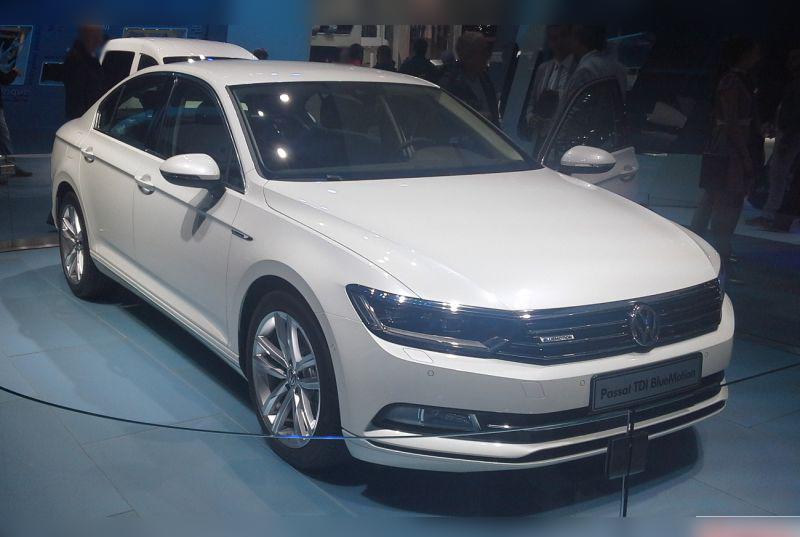
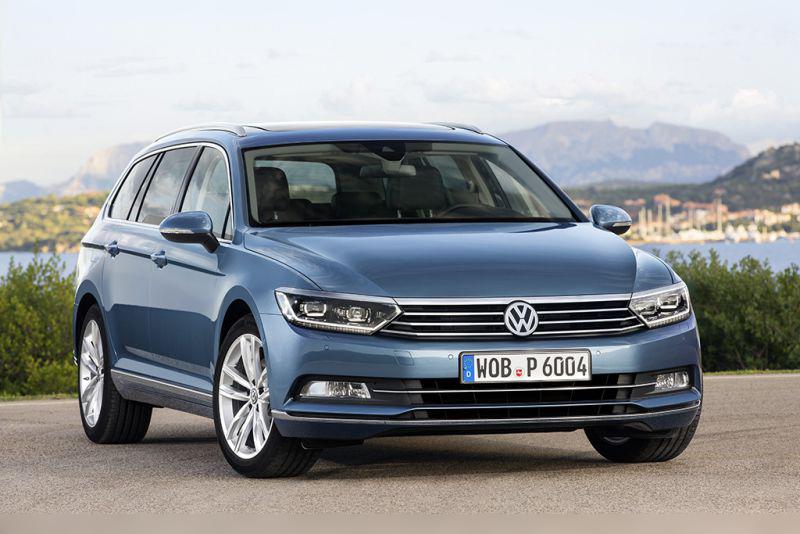
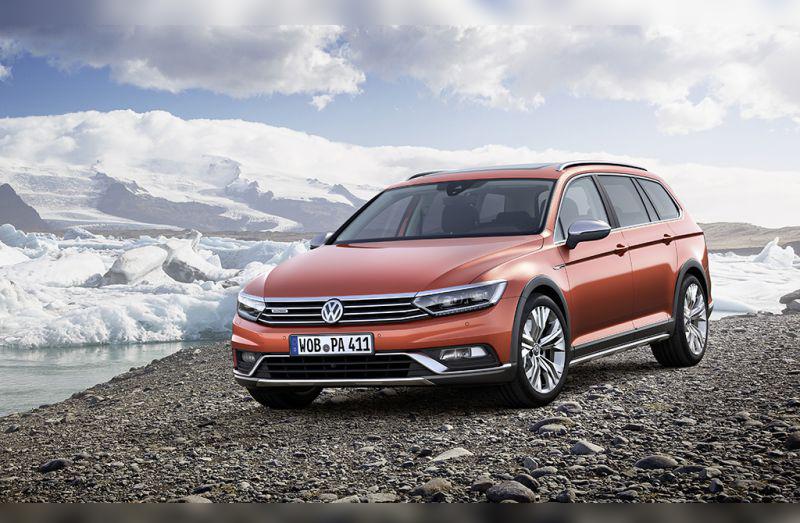
The engine in question belongs to Volkswagen’s EA288 diesel family. This is a modern unit that replaced the famous but scandal-stricken EA189 engines. It is widely installed in the Volkswagen Passat B8 (sedan, estate/Variant and Alltrack) and represents the core of the range on the European market.
Engine codes such as CRLB, DBGA, DFEA, DFGA indicate different evolutions of the same 2.0 TDI block, adapted to different Euro emission standards (mainly Euro 6) and drive types. For the average driver, this is an engine that offers enough power for overtaking while sipping fuel if driven sensibly. However, the complexity of the exhaust after-treatment systems brings new challenges in terms of maintenance.
Technical specifications
| Parameter | Data |
|---|---|
| Displacement | 1968 cc (2.0 L) |
| Power | 110 kW (150 hp) |
| Torque | 340 Nm at 1750–3000 rpm |
| Engine codes | CRLB, DBGA, DCYA, DFEA, DFGA |
| Injection type | Common Rail (Direct injection) |
| Charging | Turbocharger with variable geometry (VGT) + intercooler |
| Valves | 16 valves (DOHC) |
Reliability and maintenance
Timing belt or chain?
This engine uses a timing belt. That’s good news for owners because the system is quieter and generally more predictable than the chains on older TSI engines. The factory replacement interval is often listed as 210,000 km, but experienced mechanics recommend replacement at 160,000 to 180,000 km or 5 to 7 years of age, whichever comes first. The risk of the belt snapping due to rubber aging is not negligible.
Most common failures
The biggest enemy of this engine is its water pump. EA288 engines use a pump with a variable ring that regulates coolant flow for faster engine warm-up. That ring often gets stuck, which leads to engine overheating. The symptom is a sudden spike in temperature on the instrument cluster or loss of coolant. Because of this, it is recommended to replace the pump at every major service, and sometimes earlier if you notice leaks.
Oil and service intervals
The engine takes approximately 4.7 to 5.0 liters of oil (depending on sump and filter size). You must use 5W-30 or 0W-30 oil with VW 507.00 specification. This is crucial because of the DPF; using the wrong oil will permanently damage it.
As for oil consumption, these engines are better than older generations, but it is not unusual for them to consume 0.5 to 1 liter of oil between service intervals, especially if driven aggressively on the motorway. If you drive around 15,000 km per year, you will probably not need to top up, but if you do "Long Life" servicing at 30,000 km (which I do not recommend for used cars), the oil warning light will almost certainly come on. Recommendation: Change the oil every 10,000–15,000 km.
Injectors
The system uses Bosch Common Rail injection. On the 150 hp versions (unlike the more powerful biturbo variants) the injectors have proven to be very durable. Their lifespan is often over 250,000 km with good-quality fuel. Symptoms of bad injectors are rough idle (fluctuating rpm), increased fuel consumption and smoke under hard acceleration. Reconditioning is possible, but new ones are still expensive (depends on the market).
Specific parts and costs
Dual-mass flywheel
Yes, this engine has a dual-mass flywheel, regardless of whether it is paired with a manual or DSG gearbox. The 340 Nm of torque is high and the flywheel is under stress. Symptoms of failure are metallic rattling when switching the engine off, vibrations on the clutch pedal or jolts when changing gears. Typical lifespan is around 200,000 km, although in city driving it can fail earlier. Replacement is a costly investment (depends on the market).
Turbocharger
The 150 hp version uses a single turbocharger with variable geometry. The turbo is generally reliable and rarely fails before 250,000 km if the oil is changed regularly. Symptoms of failure are whistling (like an ambulance siren), loss of power ("safe mode") and bluish smoke. On these models the intercooler is often water-cooled and integrated into the intake manifold – this means the air path is short (good throttle response), but if the intercooler cracks, coolant enters the engine, which is a serious problem.
DPF, EGR and AdBlue
This is a Euro 6 engine, which means a complex emissions system:
- DPF filter: Located close to the engine for faster warm-up. Passive regeneration works very well. Problems arise only with exclusively city driving.
- EGR valve: Integrated with the EGR cooler. Soot can cause it to stick, but a bigger issue is coolant leakage through the EGR cooler.
- AdBlue: This is a weak point. The Passat B8 with these engines uses AdBlue (SCR catalyst). Failures of the heater in the AdBlue tank or of the pump/nozzle for urea injection are common. The symptom is a warning on the dashboard that the engine will not be able to start in XXX km. Repairs are very expensive (often the entire module is replaced).
Fuel consumption and performance
Real-world fuel consumption: The Passat B8 is not a light car, but it is aerodynamic.
- City driving: Expect between 6.5 and 8.0 l/100 km, depending on traffic, how heavy your right foot is, and whether the car is automatic or manual. 4MOTION all-wheel drive adds about 0.5 to 1 liter to this figure.
- Country roads: This is where this engine shines. On secondary roads you can get consumption down to around 4.5 l/100 km.
- Motorway: At a cruising speed of 130 km/h, the engine runs at about 2,000–2,200 rpm (depending on the gearbox). Fuel consumption is around 5.5–6.0 l/100 km. The engine is very quiet and refined.
Is it "lazy"? Absolutely not. With 340 Nm of torque available from just 1750 rpm, a Passat with this engine pulls convincingly. In my opinion, the 150 hp version is the ideal compromise – the 190 hp is faster but more expensive to maintain, while the 1.6 TDI (120 hp) is too weak for this body when fully loaded.
Additional options and modifications
This 2.0 TDI is extremely suitable for chiptuning (remap).
Stage 1: Power can safely be raised to around 185–195 hp, and torque to 400–420 Nm. The engine and turbo can handle this without issues, provided the engine is mechanically sound before mapping. If you have a DSG gearbox, it is recommended to also remap the gearbox software (TCU tuning) to increase clutch pressure and prevent slipping due to the higher torque.
Gearbox: Manual and DSG
Gearbox options
With these engine codes there are two main options: 1. Manual gearbox (6-speed): Precise and robust. The only major expense is the clutch and flywheel kit. 2. DSG (dual-clutch automatic): There are variations here. Earlier models use the DQ250 (6-speed, wet clutch), while newer and facelift models can have the DQ381 (7-speed, wet clutch).
Problems and maintenance
Manual gearbox: Very reliable. An oil change in the gearbox is not prescribed as mandatory, but is recommended at 150,000 km.
DSG gearbox: Requires oil and filter changes every 60,000 km (some say even earlier). If this is ignored, the mechatronic unit (the "brain" of the gearbox) fails, and repairs are very expensive (depends on the market). Symptoms of problems are jerking when moving off, delay when engaging R or D, or banging when downshifting. Both DSG models (6- and 7-speed wet-clutch) are generally reliable if maintained properly.
Buying used and conclusion
When buying a Passat B8 with the 2.0 TDI (150 hp) engine, pay attention to the following:
- Cold start: The engine should start instantly, without long cranking and without a cloud of smoke.
- Flywheel noise: Listen for metallic noises at idle and when switching the engine off.
- Coolant: Check the coolant reservoir. If the level is low or the coolant is dirty, suspect the water pump or EGR cooler. Also check for traces of leakage around the timing belt area.
- Diagnostics: Be sure to check DPF status (ash loading) and injector correction values.
Final conclusion
This engine is the king of fleet sales and family trips. It’s not a sports car engine, but it’s far from slow. It is more reliable than its predecessors, but it requires an informed owner who understands that AdBlue, DPF and DSG are not just acronyms, but systems that need attention. If you are looking for a used car for long-distance driving, the 2.0 TDI 150 hp with manual gearbox is the financially safest option, while the DSG version offers top comfort with a slightly higher maintenance risk.
Was this content useful to you?
Your opinion helps us to improve the quality of the content.