EA390 / BWS Engine
- Engine
- 3597 cm3
- Aspiration
- Naturally aspirated engine
- Fuel
- Petrol (Gasoline)
- Fuel injection system
- Direct injection
- Power
- 300 hp @ 6600 rpm
- Torque
- 350 Nm
- Cylinders
- 6
- Valves
- 24, 4 per cylinder
- Cylinders position
- VR-engine
- Valvetrain
- DOHC
- Oil capacity
- 5.5 l
- Coolant
- 9 l
# Vehicles powered by this engine
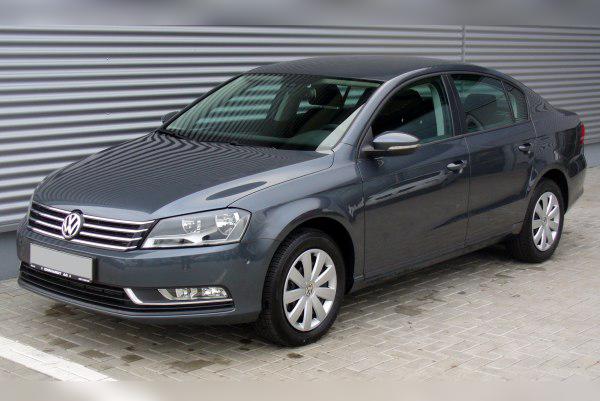
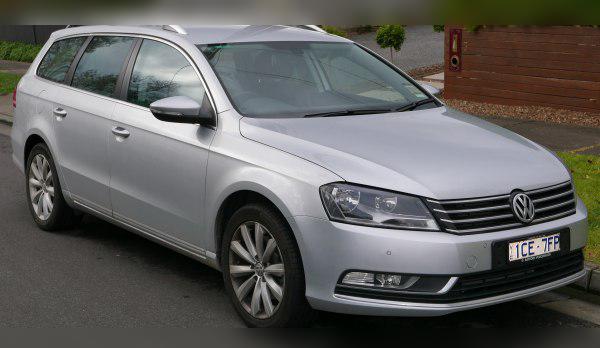
VW 3.6 FSI VR6 (BWS) – Experiences, problems, fuel consumption and maintenance: The last true sleeper
Key points (TL;DR)
- Engine type: Legendary naturally aspirated VR6 petrol – linear power delivery and fantastic sound.
- Achilles’ heel: The timing chain is located at the back of the engine (towards the gearbox). If it starts rattling, the repair is expensive (requires removing the engine/gearbox).
- Gearbox: Comes exclusively with a DSG gearbox and 4Motion all-wheel drive. Proper gearbox maintenance is crucial.
- Fuel consumption: High. In city driving, expect double‑digit numbers without exception.
- FSI technology: Direct injection means carbon buildup on intake valves over time.
- Recommendation: Ideal for performance enthusiasts in a discreet package (a “sleeper”). Not for those who count every liter of fuel.
Contents
Introduction: BWS code and the R36 legacy
The EA390 engine, specifically in its BWS variant, represents the top of the range in the Volkswagen Passat B7 generation. This is the engine that continues the tradition of the famous Passat R36 (B6), but in a slightly more “civilized” form. It is a VR6 configuration – an engine as compact as a V6, but with an extremely narrow angle between the cylinders (10.6 degrees), which allows it to fit transversely under the bonnet, where usually only four‑cylinder engines go.
It was primarily installed in the Passat B7 sedan and estate (Variant), as well as in the Passat CC (later simply CC). This is not an engine for the average driver; it is the choice for those who want sports‑car performance, the sound of a straight‑six, but the looks of a family car. Although it has no turbocharger, its 300 hp and instant throttle response make it one of the most interesting engines from the VW Group before the complete dominance of turbo petrol units.
Technical specifications
| Specification | Data |
|---|---|
| Engine displacement | 3597 cc (3.6L) |
| Configuration | VR6 (narrow‑angle V) |
| Power | 220 kW (300 hp) at 6600 rpm |
| Torque | 350 Nm at 2400–5300 rpm |
| Engine code | BWS |
| Injection system | FSI (direct petrol injection) |
| Induction | Naturally aspirated |
| Drivetrain | 4MOTION (Haldex) |
Reliability and maintenance
Timing system: Chain or belt?
This engine uses a timing chain. Although chains on older VR6 engines were notoriously problematic, they were improved on the BWS engine. However, the chain is not eternal. The problem lies in its position – it is located at the back of the engine (between the engine and gearbox). If the chain stretches or the tensioners/guides fail (which can happen at 150,000–200,000 km, depending on oil change intervals), the repair is very labor‑intensive because it requires separating the gearbox or removing the entire powertrain from the car.
Most common failures
Besides the chain, owners encounter the following issues:
- PCV valve (oil separator): The membrane often tears. Symptoms are rough idle, a strange whistling noise and increased oil consumption. Fortunately, it is not too expensive to fix.
- Ignition coils: As with most VW petrol engines, coils can fail, causing misfires and the engine running on fewer cylinders.
- Carbon buildup: Due to FSI direct injection, fuel does not wash over the intake valves. Over time, carbon deposits form, choking the engine and reducing power. Cleaning the intake manifold and valves (e.g. walnut shell blasting) is recommended every 100,000 km.
Major and minor service
Since the engine has a chain, a classic “major service” (timing belt replacement) does not exist in the regular maintenance schedule. The chain is replaced only when rattling is heard or diagnostics show timing deviations. However, the auxiliary (serpentine) belt set (belt, tensioners, rollers) should be checked and replaced at around 100,000 km.
Oil: Quantity and consumption
The engine takes approximately 5.5 to 5.7 liters of oil. Fully synthetic 5W‑30 or 5W‑40 meeting VW 504.00/502.00 standards is recommended. VR6 engines are known to “drink” a bit of oil. Consumption of up to 0.5 liters per 1,000 km is considered “within normal limits” according to VW manuals, although in practice a healthy engine usually uses 1–2 liters between changes (over 10–15 thousand km). If it uses more, check the PCV valve before suspecting piston rings.
Spark plugs
As this is a high‑performance petrol engine, the spark plugs are under heavy load. It is recommended to replace them every 60,000 km or 4 years. Use only high‑quality iridium or platinum plugs intended for FSI engines.
Specific parts (costs)
Dual‑mass flywheel
Yes, this model has a dual‑mass flywheel (DMF). It is necessary due to pairing with the DSG gearbox, in order to reduce vibrations and enable smooth shifting. Its lifespan is usually around 150,000–200,000 km, depending on driving style. Replacement is expensive (varies by market), but necessary if you hear metallic knocking when switching the engine off or at idle.
Injection system and injectors
The BWS uses an FSI system with high‑pressure injectors that spray fuel directly into the cylinder. The injectors are generally reliable, but sensitive to poor fuel quality. Injector failure manifests as leaking (fuel diluting the oil) or rough running. The price of a single injector falls into the “expensive” category compared to regular MPI injectors.
Turbo, DPF, EGR, AdBlue?
Here comes the good news:
- Turbo: None. The engine is naturally aspirated, which means fewer parts that can fail (no turbo, intercooler, high‑pressure boost pipes).
- DPF and AdBlue: None. This is a petrol engine, so you are spared the hassle of regenerations and additives.
- EGR valve: There is an exhaust gas recirculation system. It can get dirty, but in petrol engines it causes far fewer problems than in diesels.
Fuel consumption and performance
City driving – the reality
Do not be fooled by factory figures. The Passat 3.6 V6 with 4Motion is a heavy car. In pure city driving, real‑world consumption is between 12 and 15 liters per 100 km. In winter stop‑and‑go traffic, it can go up to 18 liters. This is not a car for economical city use.
Is the engine “lazy”?
Absolutely not. With 300 hp and 350 Nm, this engine toys with the Passat’s body. Throttle response is instant (no turbo lag), and the sound at high revs is addictive. Thanks to 4Motion, all the power is put down without wheelspin, so launches from traffic lights are brutal (0–100 km/h in about 5.5 seconds).
On the motorway
This is the engine’s natural habitat. Cruising at 130 km/h is quiet and comfortable, and the engine spins at relatively low revs (around 2,800–3,000 rpm) thanks to the tall sixth gear of the DSG. On the open road, consumption can drop to a reasonable 8.5 to 9.5 liters, but any more aggressive overtaking will push the average up.
Extras and modifications
LPG conversion
It is possible, but complicated and expensive. Due to FSI direct injection, you cannot install a simple sequential system. You need a system that either injects liquid LPG directly through the petrol injectors (the best but most expensive solution) or a system that injects gas into the intake manifold while simultaneously using around 15–20% petrol to cool the petrol injectors. Given the complexity and cost of installation, you should carefully calculate whether it pays off.
Chiptuning (Stage 1)
Since the engine is naturally aspirated (no turbo), “chipping” does not bring dramatic results. A Stage 1 remap can increase power by about 10 to 15 hp and slightly improve throttle response, but do not expect miracles as with turbo engines. The main benefits of a remap are removing the top‑speed limiter and optimizing DSG gearbox behavior.
Gearbox: DSG and 4Motion
Which gearbox comes with this engine?
With the 3.6 FSI BWS engine in the Passat B7, a 6‑speed DSG automatic gearbox (code DQ250) with dual clutch comes as standard. A manual gearbox was not an option for this engine on most markets.
DSG issues and maintenance
The DQ250 is a “wet” DSG, which means the clutch packs run in oil. It is very robust and can handle high torque, but it requires strict maintenance.
Service: DSG oil and filter MUST be changed every 60,000 km. If this is skipped, the mechatronics unit (the gearbox brain) will fail, and that is a very expensive repair (varies by market, often a four‑figure sum in euros).
The most common failures are mechatronics failure (jerking when setting off, harsh shifts) and worn clutch packs at high mileage.
Buying used and conclusion
When buying a used Passat 3.6 V6, pay attention to:
- Cold start: Listen to the engine at the very first start when it is completely cold. Rattling that lasts longer than 2–3 seconds indicates a problem with the chain or hydraulic tensioners.
- Gearbox behavior: The DSG must shift imperceptibly, without jerks, both while driving and when shifting from P to D or R while the car is stationary.
- Drivetrain: Check whether 4Motion (Haldex) works. The easiest way is a hard launch on a slippery surface – the front wheels must not just spin helplessly. The Haldex clutch also requires regular oil changes!
Conclusion: The VW Passat 3.6 V6 FSI is a car for enthusiasts. It is intended for drivers who want serious power, the safety of 4x4 drive and comfort, and who are ready to pay the price in the form of higher registration costs, high fuel consumption and more demanding maintenance (DSG, chain). If you are looking for reliability and economy, buy a 2.0 TDI. If you want a smile on your face every time you press the throttle – this is the engine for you.
Was this content useful to you?
Your opinion helps us to improve the quality of the content.