EA888 / CCZB Engine
- Engine
- 1984 cm3
- Aspiration
- Turbocharger, Intercooler
- Fuel
- Petrol (Gasoline)
- Fuel injection system
- Direct injection
- Power
- 211 hp
- Torque
- 280 Nm
- Cylinders
- 4
- Valves
- 16, 4 per cylinder
- Cylinders position
- Inline
- Valvetrain
- DOHC
- Oil capacity
- 4.7 l
- Systems
- Start & Stop System
# Vehicles powered by this engine
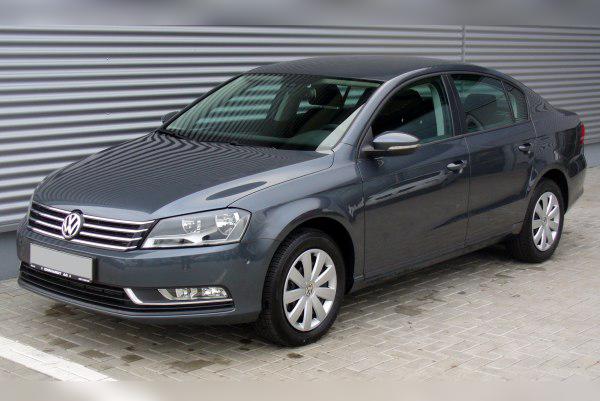
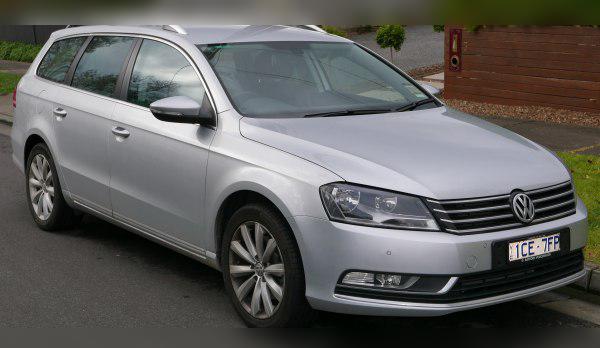
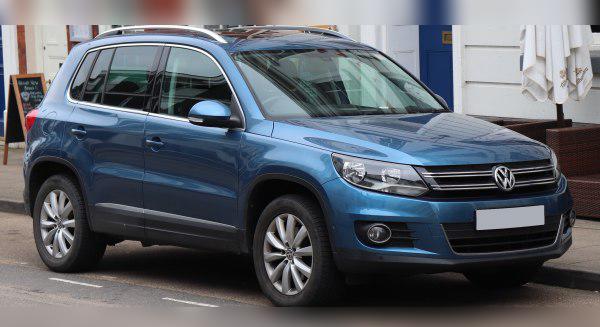
2.0 TSI (EA888 Gen 2 / CCZB) - Experiences, issues, fuel consumption and buying tips
In short (TL;DR)
- Excellent performance: With 211 hp and 280 Nm, this engine offers top-notch acceleration and elasticity, making the Passat and Tiguan very lively vehicles.
- Timing chain issue: The most critical point is the timing chain tensioner. If it hasn’t been replaced with the revised version, you risk catastrophic engine failure.
- Oil consumption: This generation of EA888 engines is known for problematic oil control rings, which can lead to high oil consumption.
- Carbon buildup: As a direct injection engine, it is prone to carbon deposits on the intake valves, which require periodic cleaning.
- Water pump: The thermostat and water pump housing are made of plastic and often crack, causing coolant leaks.
- DSG gearbox: It usually comes with the more reliable “wet” DQ250 gearbox, which requires regular oil changes every 60,000 km.
- Recommendation: A fantastic engine to drive, but it requires a thorough check of service history (chain and oil consumption) before purchase.
Contents
- Technical specifications
- Reliability and maintenance
- Specific parts and costs
- Fuel consumption and performance
- Gearbox: Manual and DSG
- Additional options and tuning
- Buying used and conclusion
Introduction
The engine with the code CCZB belongs to the second generation (Gen 2) of the famous Volkswagen EA888 family. This is the powerplant that defined petrol performance in the mid-size sedan and compact SUV class at the beginning of the previous decade. It was installed in the VW Passat B7 and the facelifted first-generation VW Tiguan.
This engine offers a near-perfect balance between power and refinement, but it also carries some engineering flaws that were only properly resolved in later years. For drivers who don’t cover huge mileages and want diesel-like power without the tractor sound, this is often the first choice—provided you know what you’re buying.
Technical specifications
| Specification | Data |
|---|---|
| Displacement | 1984 cc (2.0 L) |
| Power | 155 kW (211 hp) at 5300–6200 rpm |
| Torque | 280 Nm at 1700–5200 rpm |
| Engine code | CCZB (EA888 Gen 2) |
| Injection system | TSI (Turbo Stratified Injection) – Direct |
| Induction | Turbocharger (IHI or BorgWarner) + intercooler |
| Engine block | Cast iron |
| Emissions standard | Euro 5 |
Reliability and maintenance
Does this engine have a timing belt or a chain?
The 2.0 TSI CCZB engine uses a timing chain. Unfortunately, this is one of the weakest points of this engine. The original chain tensioner had a design flaw that could lead to the chain slackening, skipping teeth and causing piston-to-valve contact. Symptoms include rattling at cold start (a “metal grinding” sound) that lasts longer than a couple of seconds. If you’re buying used, you must check whether the revised tensioner and the newer type of chain have been installed.
What are the most common failures on this engine?
Besides the chain, the list includes:
- Oil consumption (rings): The design of the oil control rings is such that the tiny oil drain holes get clogged with carbon, so oil stays in the cylinder and burns. This is a systemic issue of this generation.
- PCV valve (oil vapor separator): When the membrane tears, the engine loses vacuum, idles roughly, whistles, and oil consumption increases further.
- Water pump and thermostat: The entire housing is plastic and over time deforms from heat, causing coolant leaks.
- Intake manifold flaps: The plastic mechanism that controls airflow in the intake manifold can stick or break, which triggers the “Check Engine” light and reduces power.
- Ignition coils: They often fail, causing the engine to run on three cylinders (misfire).
At what mileage should the major service be done?
Although the chain is “lifetime” according to factory specifications, real-world experience says otherwise. It is recommended to replace the complete chain kit, guides and tensioner preventively between 100,000 km and 120,000 km, or earlier if rattling is heard. The auxiliary belt and its tensioner should be replaced at a similar mileage.
Oil: quantity, grade and consumption
The sump holds approximately 4.6 to 4.7 liters of oil. It is recommended to use fully synthetic oil of grade 5W-30 or 5W-40 that meets strict VW standards (VW 504.00 / 507.00 or VW 502.00 for fixed intervals).
Does it consume oil? YES. This is perhaps its biggest flaw. The manufacturer tolerates up to 0.5 L/1000 km, but a healthy engine should not consume more than 1–1.5 L per 10,000 km. If it uses a liter every 1,000 or 2,000 km, the engine is ready for a “refresh” (replacement of rings and piston work), which is very expensive (very costly, depends on the market).
Spark plugs and injectors
Spark plugs: On this turbo petrol engine, spark plugs are replaced every 60,000 km. If the engine is remapped, the interval should be halved to 30,000 km, with a recommendation for “colder” plugs (e.g. NGK BKR7EIX). Symptoms of worn plugs include hesitation under acceleration.
Since this is a petrol engine, the question about diesel injectors is not applicable, but it’s worth noting that high-pressure petrol injectors rarely cause problems, although they can leak and dilute the engine oil with fuel.
Specific parts (costs)
Does the engine have a dual-mass flywheel?
Yes. Both manual and DSG automatic versions use a dual-mass flywheel. Its role is to dampen engine vibrations before they reach the gearbox. On petrol engines it lasts longer than on diesels due to lower vibrations, but you can expect replacement around 150,000–200,000 km. The price is high (depends on the market).
Injection system and issues
It uses direct injection (TSI). Fuel is injected directly into the cylinder at high pressure (up to 150 bar). The injectors are generally reliable. The main problem with direct injection is that fuel does not “wash” the intake valves, so carbon deposits build up on them over time. This gradually chokes the engine. The solution is mechanical cleaning (walnut shell blasting) every 80,000–100,000 km.
Turbocharger
The engine uses a single turbocharger (usually an IHI or BorgWarner K03 variant integrated with the exhaust manifold). The turbo is generally durable and often lasts over 200,000 km with regular oil changes and proper cooldown after spirited driving. Failure of the wastegate (rattling of the actuator rod) is a known issue that can sometimes be fixed by refurbishment, but sometimes requires replacement of the entire turbo.
EGR, DPF and AdBlue
As a petrol engine, this unit DOES NOT HAVE a DPF filter or AdBlue system. It also doesn’t have a conventional EGR valve that clogs with soot like on diesels (the function is partially handled by variable valve timing). However, it does have a catalytic converter that can fail if the engine burns a lot of oil or if the ignition coils are not working properly.
Fuel consumption and performance
Real-world city consumption
Don’t expect miracles. This is a powerful turbo petrol engine. In heavy stop-and-go city traffic, a Passat B7 or Tiguan (which is heavier and less aerodynamic) will consume between 11 and 14 liters per 100 km. A Tiguan with 4MOTION will always be closer to the upper end of that range.
Is the engine “lazy”?
Absolutely not. With 211 hp and 280 Nm available from as low as 1700 rpm, this engine moves the Passat and Tiguan body with ease. Acceleration is linear and convincing, and overtaking is safe. It is much more agile than the 2.0 TDI engines of a similar generation, especially at higher revs.
Highway driving
This is the engine’s natural habitat. On the highway it is quiet and refined. At 130 km/h in top gear (6th), the engine spins at about 2,800 to 3,000 rpm (depending on the gearbox). Fuel consumption on the open road ranges from 7 to 9 liters, depending on how heavy your right foot is.
Additional options and modifications
LPG conversion
Installing LPG on a TSI engine is possible, but expensive and complex. Due to direct injection, specific systems (Direct Injection LPG kits) are required, which either use 10–15% petrol during driving to cool the petrol injectors, or inject liquid LPG directly through the petrol injectors (liquid phase systems). The installation cost is high (depends on the market) and the cost-effectiveness needs to be calculated carefully.
Chiptuning (Stage 1)
EA888 engines are legendary for their tuning potential. With just a software remap (Stage 1), this engine can safely be taken to 250–260 hp and about 350–380 Nm of torque. However, before remapping, the engine must be mechanically perfect (new chain, healthy turbo, new spark plugs).
Gearbox
Types of gearboxes
With this engine in the Passat B7 and Tiguan you most often get:
- 6-speed manual gearbox: Precise and robust.
- 6-speed DSG (DQ250): Dual-clutch automatic gearbox. This is the “wet” DSG (the clutches run in oil), which is a much better and more reliable option than the notorious 7-speed dry DQ200 used on lower-powered engines.
Failures and maintenance
Manual gearbox: Rarely fails. The main expense is the clutch kit and dual-mass flywheel. It’s a good idea to change the gearbox oil at around 100,000 km, even if the manufacturer doesn’t list it as mandatory.
DSG (automatic): Requires strict maintenance. The oil and filter in the DSG gearbox MUST be changed every 60,000 km. If this is neglected, the mechatronics (the gearbox “brain”) or the clutch pack will fail. Symptoms include shuddering when taking off, delayed shifts or harsh gear changes. DSG repairs are very expensive (depends on the market).
Buying used and conclusion
What to check before buying?
- Cold start: Insist that the engine is completely cold. Listen to the chain noise during the first 3 seconds. Any rattling is a red flag.
- Exhaust: Wipe the inside of the tailpipe with your finger. If it’s black and oily (not just dry soot), the engine is likely burning a lot of oil.
- Smoke: Bluish smoke when revving or after idling indicates oil consumption (rings or valve stem seals).
- Service history: Check whether the chain has been replaced and when the DSG service was done.
- Leaks: Look under the intake manifold for coolant leaks (water pump).
Conclusion: The 2.0 TSI (CCZB) is an engine for enthusiasts and drivers who want to enjoy driving, not just get from point A to point B. In the Passat B7 and Tiguan it delivers performance that often surprises other road users. However, the risk of expensive repairs (oil consumption and chain) is real. If you find a car where the pistons/rings have already been sorted and the chain has been replaced, you have one of the best petrol engines of that era. Otherwise, be prepared with a budget for unexpected costs.
Was this content useful to you?
Your opinion helps us to improve the quality of the content.