BWS Engine
- Engine
- 3567 cm3
- Aspiration
- Naturally aspirated engine
- Fuel
- Petrol (Gasoline)
- Fuel injection system
- Direct injection
- Power
- 300 hp @ 6700 rpm
- Torque
- 350 Nm @ 2400 rpm
- Cylinders
- 6
- Valves
- 24, 4 per cylinder
- Cylinders position
- V-engine
- Valvetrain
- DOHC
- Oil capacity
- 5.5 l
- Coolant
- 9 l
# Vehicles powered by this engine
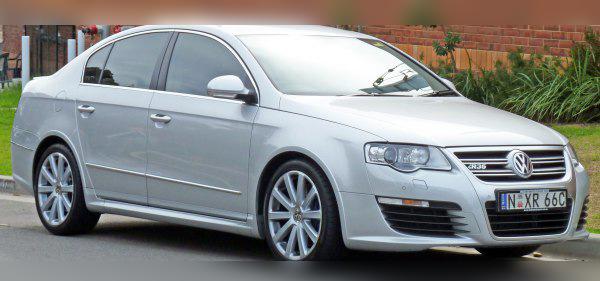
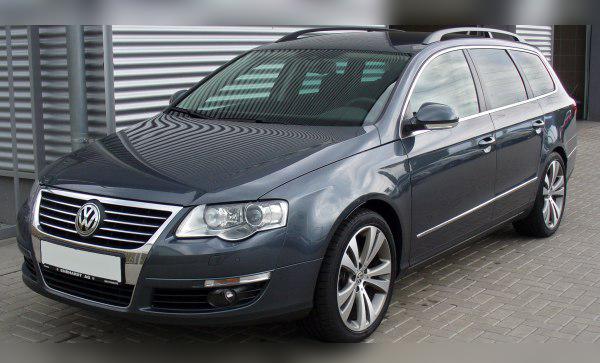
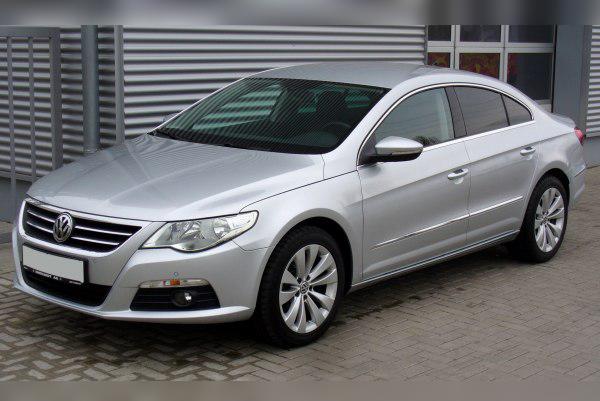
VW 3.6 FSI V6 (BWS) – Experiences, problems, fuel consumption and buying used
Key points (TL;DR)
- Performance and sound: Top-class naturally aspirated engine with linear acceleration and the distinctive VR6 sound. A true sleeper.
- Timing chain: The Achilles’ heel of this engine. It is located at the back of the engine (next to the gearbox), so replacement requires removing the engine or gearbox, which is an expensive job.
- Carbon build-up: Like every FSI engine, it is prone to carbon deposits on the intake valves, which gradually choke the engine.
- Gearbox: Comes exclusively with a DSG gearbox (DQ250) and 4Motion all-wheel drive. Proper gearbox maintenance is crucial.
- Fuel consumption: High, especially in city driving. Not for those who count every liter of fuel.
- Maintenance: Regular maintenance is expensive (oil, spark plugs, DSG service), but the engine block itself is mechanically very durable.
- Recommendation: Buy only a car with fully documented service history (especially timing chain and DSG).
Contents
- Introduction
- Technical specifications
- Reliability and maintenance
- Specific parts (costs)
- Fuel consumption and performance
- Additional options and modifications
- Gearbox and drivetrain
- Buying used and conclusion
Introduction
The engine code BWS represents the top of the range in Volkswagen’s mid-size lineup from the second half of the 2000s. It is the legendary 3.6 FSI VR6 powerplant. This is not an ordinary engine; it is the heart of the Passat R36 and the most powerful versions of the Passat CC. Its uniqueness lies in the VR configuration (the angle between the cylinders is only 10.6 degrees), which allows a large six-cylinder to be mounted transversely in a space designed for smaller engines.
This engine is important because it represents the last generation of large naturally aspirated engines in these models before downsized turbocharged units took over the market. Drivers love it for its instant throttle response, fantastic sound and raw power available at any moment.
Technical specifications
| Specification | Data |
|---|---|
| Engine code | BWS |
| Displacement | 3597 cc (3.6 L) |
| Configuration | VR6 (V6 with narrow angle) |
| Power | 220 kW (300 hp) at 6600 rpm |
| Torque | 350 Nm at 2400–5300 rpm |
| Fuel injection system | FSI (direct petrol injection) |
| Induction | Naturally aspirated |
| Emissions standard | Euro 4 / Euro 5 (depending on model year) |
Reliability and maintenance
Timing system: chain or belt?
The BWS engine uses a timing chain. This is the critical point of this engine. Although Volkswagen improved the chains compared to the older 3.2 engines, they are still not lifetime parts. The problem is in the design: the chain is located at the back of the engine, next to the gearbox (flywheel). When the time comes for replacement (symptoms: rattling on cold start, camshaft sensor errors), the entire engine has to be removed or the gearbox taken out. This makes chain replacement an extremely expensive job due to the high labor time (depending on the market, but expect it to be “very expensive”).
Most common failures
Besides the chain, the most common issues are:
- PCV valve (oil separator): Frequent diaphragm failure causes rough idle, a “whistling” noise from the engine and increased oil consumption.
- Coil packs: They can fail suddenly, causing the engine to run on fewer cylinders (misfire). It is recommended to use quality (e.g. NGK or OEM) coils.
- Fuel pressure sensors: The sensors on the high-pressure fuel pump sometimes fail.
- Thermostat and housing: Coolant leaks around the thermostat housing are not uncommon.
Major and minor service
A classic “major service” (timing belt replacement) does not exist. However, timing chain service is done as needed, usually between 150,000 and 200,000 km, or earlier if rattling is heard. Minor service is done every 10,000 km up to a maximum of 15,000 km. Long-life intervals of 30,000 km are strongly discouraged for this engine.
Oil and oil consumption
The engine takes approximately 5.5 to 5.7 liters of oil (depending on whether the filter is changed and how well it is drained). The recommended grade is 5W-30 or 5W-40 with VW 504.00/507.00 specification.
Oil consumption is present. These engines tend to “drink” some oil, especially if driven aggressively. Consumption of around 0.5 liters per 2,000–3,000 km can be considered acceptable for a higher-mileage engine. If it uses a liter per 1,000 km, that points to problems with piston rings or the PCV valve.
Spark plugs
Due to direct injection (FSI) and high performance, the spark plugs are under higher stress. Replacement is recommended every 60,000 km. Use only spark plugs specified for the BWS engine (usually platinum or iridium).
Specific parts (costs)
Dual-mass flywheel
Yes, this engine combined with the DSG gearbox has a dual-mass flywheel. It serves to dampen the vibrations of the powerful V6 before they reach the gearbox. When worn, you can hear metallic knocking at idle that disappears or changes when you press the throttle. Replacement is expensive, and it is recommended to do it together with clutch service if needed.
Fuel injection system and valve cleaning
The engine uses an FSI (Fuel Stratified Injection) system. The injectors are generally reliable but expensive if they fail. A much bigger issue on BWS engines is carbon build-up on the intake valves. Since fuel does not wash over the valves (as in older port-injected engines), deposits accumulate from oil vapors.
Symptoms: Rough idle, loss of power, poorer throttle response.
Solution: Mechanical valve cleaning (so-called “walnut blasting”) every 80,000–100,000 km.
Turbo, DPF, EGR, AdBlue
- Turbo: None. This is a naturally aspirated engine, which means one less worry (no turbocharger rebuilds).
- DPF and AdBlue: None. These are diesel-only systems.
- EGR: There is an exhaust gas recirculation system. It can get dirty, but it is not as problematic as on diesels.
- Catalytic converters: It has two large catalytic converters which are expensive to replace if they fail (check engine light for catalyst efficiency).
Fuel consumption and performance
City driving
Let’s be realistic – 3.6 liters of displacement, 4x4 drivetrain and 1600+ kg of weight cannot be economical. In pure city driving with traffic jams, real-world consumption is between 13 and 16 liters per 100 km. In winter or with a heavy right foot, it easily goes up to 18 l/100 km.
Is the engine “lazy”?
Absolutely not. With 300 hp and 350 Nm of torque, the engine plays with the body of the Passat or CC. Throttle response is instant (no turbo lag). 0–100 km/h takes around 5.6 seconds, which is very quick even by today’s standards.
Highway driving
This is the natural habitat of this engine. On the motorway it is extremely relaxed. At 130 km/h in sixth gear, the engine spins at relatively low revs (around 3000 rpm), and fuel consumption drops to a reasonable 9 to 10 liters per 100 km. Overtaking is effortless, with no need for much “run-up”.
Additional options and modifications
LPG conversion
The BWS engine has direct injection (FSI). This means that standard sequential LPG systems are not suitable. LPG installation is possible, but there are two options:
- A system that uses a mix of petrol and LPG (e.g. 80% LPG, 20% petrol) in order to cool the petrol injectors.
- A liquid-phase LPG injection system (using the petrol injectors for LPG). This is the best solution, with no power loss, but installation is very expensive (often over 1000–1500 EUR, depending on the market).
If you drive high mileage, it can pay off, but it requires a top-notch specialist.
Remapping (Stage 1)
Since this is a naturally aspirated engine, you do not gain as much power from a remap as with a turbo engine. Realistic gains are around 10 to 15 hp and a slightly better throttle response. It is much more useful to remap the DSG gearbox so that it shifts faster and makes better use of the torque, rather than just pushing the engine.
Gearbox and drivetrain
Type of gearbox
The BWS 3.6 FSI engine was paired exclusively with a dual-clutch automatic gearbox – the 6-speed DSG (code DQ250). A manual gearbox was not an option. The drivetrain is always 4Motion (Haldex system), which sends power primarily to the front wheels and engages the rear wheels when needed.
Gearbox maintenance and failures
The DQ250 is a “wet” DSG gearbox, which means the clutch packs run in oil.
Service: Oil and filter in the gearbox must be changed every 60,000 km. This is crucial for longevity.
Failures: The most common failure is the mechatronics unit (the brain of the gearbox). Symptoms include jerking when setting off, clunks when shifting from P to D or R, or dropping into neutral while driving. The clutch pack also wears, although less often than on dry-clutch DSG gearboxes.
Haldex (4x4): Do not forget that the oil in the Haldex coupling also needs to be changed (usually every 3 to 4 years or 60,000 km, depending on the Haldex generation).
Buying used and conclusion
Buying a Passat R36 or CC with this engine is a purchase driven by passion, not by economics. Before buying, be sure to check:
- Timing chain noise: Listen to the engine when it is completely cold. If you hear rattling for more than 2–3 seconds after start-up, the chain needs replacing (negotiate the price down significantly).
- DSG: The gearbox must shift smoothly, without jolts, both when cold and when warm. Try starting uphill without throttle (the car should not roll back too much).
- Drivetrain: On slippery surfaces or at full throttle, the rear wheels must engage. If only the fronts spin, the Haldex pump is probably faulty.
Conclusion: The VW 3.6 FSI BWS is a fantastic piece of engineering. It offers sports-car performance in a family-sedan body. It is aimed at enthusiasts who are willing to pay higher registration, high fuel consumption and more expensive maintenance in exchange for the smile this engine puts on their face every time they press the throttle. If you are looking for economy, buy a 2.0 TDI. If you are looking for soul, get the BWS.
Was this content useful to you?
Your opinion helps us to improve the quality of the content.