BPY, CAWB, CCTA, CCZA Engine
- Engine
- 1984 cm3
- Aspiration
- Turbocharger, Intercooler
- Fuel
- Petrol (Gasoline)
- Fuel injection system
- Direct injection
- Power
- 200 hp @ 5100 rpm
- Torque
- 280 Nm @ 1800 rpm
- Cylinders
- 4
- Valves
- 16, 4 per cylinder
- Cylinders position
- Inline
- Valvetrain
- DOHC
- Oil capacity
- 4.6 l
# Vehicles powered by this engine
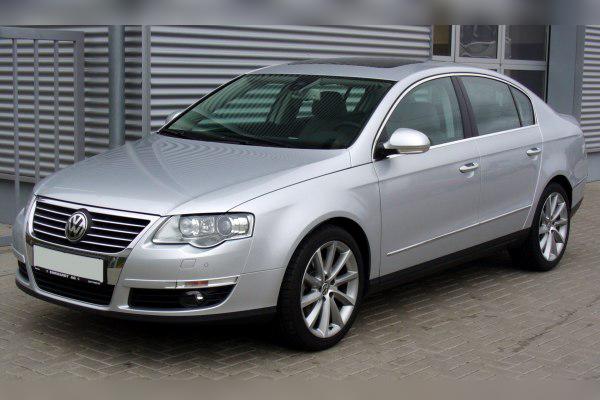
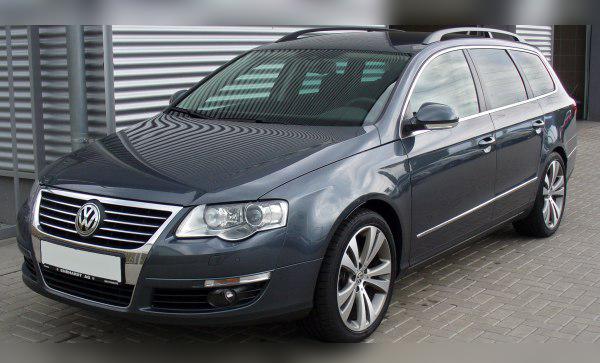
2.0 TSI / TFSI (BPY, CAWB, CCTA, CCZA) – Experiences, issues, fuel consumption and used car buying guide
Key points (TL;DR)
- Performance: Excellent power-to-weight ratio. With 200 hp, the Passat B6 becomes a very fast car, ideal for overtaking.
- Big difference in timing drive: The engine code is crucial! BPY uses a timing belt (EA113), while CAWB, CCTA and CCZA use a timing chain (EA888). Maintenance differs drastically.
- Oil consumption: These engines are known for their “appetite” for oil. On EA888 engines this can indicate an issue with piston rings, which is an expensive repair.
- Carbon buildup: Due to direct injection, intake valves get dirty (carbon deposits), which can lead to rough idle and power loss.
- Timing chain (on newer versions): The chain tensioner is a weak point. If it fails, it can cause catastrophic engine damage. Mandatory check before purchase.
- Recommendation: This is an engine for enthusiasts who are willing to pay for maintenance in exchange for strong performance. It is not for those who want “fill up and drive” economy.
Contents
- Introduction and applications
- Technical specifications
- Reliability and maintenance (Belt vs. Chain)
- Specific parts and costs
- Fuel consumption and performance
- Additional options (LPG and tuning)
- Gearbox (DSG vs. manual vs. Tiptronic)
- Used car buying tips and conclusion
Introduction and applications
The 2.0 TSI (or TFSI, depending on model year and market) engine in the Volkswagen Passat B6 represents the peak of the four‑cylinder range before the move to R36 models. This is the engine that made the Golf 5 GTI famous, and in the Passat it offers a perfect balance between a business sedan and a sports car. However, it is important to know that under the hood of a Passat B6 there can be two completely different engine generations with the same displacement and power: the older and more robust EA113 series (BPY code) and the newer, more technologically advanced but more sensitive EA888 series (CAWB, CCTA, CCZA codes).
Technical specifications
| Specification | Data |
|---|---|
| Displacement | 1984 cc (2.0 L) |
| Power | 147 kW (200 hp) at 5100-6000 rpm |
| Torque | 280 Nm at 1700-5000 rpm |
| Engine codes | BPY (EA113), CAWB, CCTA, CCZA (EA888) |
| Injection type | Direct injection (FSI / TSI) |
| Forced induction | Turbocharger (K03) + intercooler |
| Camshaft drive | Timing belt (BPY) / Chain (CAWB, CCTA, CCZA) |
Reliability and maintenance
Does this engine have a timing belt or a chain?
This is where the biggest trap for buyers lies. The answer depends solely on the engine code:
- BPY (older models, up to approx. 2008): Has a timing belt. In addition to the belt, it also has a small chain at the back that connects the two camshafts.
- CAWB, CCTA, CCZA (newer models, from approx. 2008): Have a timing chain.
What are the most common issues with this engine?
Problems differ between generations:
- For BPY (EA113): The biggest issue is the high-pressure fuel pump cam follower. It wears out where it contacts the camshaft. If it gets punched through, the pump starts to grind directly on the camshaft, which leads to major damage and metal shavings in the engine. Also, the PCV (crankcase ventilation) valve and the turbo diverter valve are common failure points.
- For CAWB/CCTA/CCZA (EA888): The biggest concern is the timing chain tensioner. Older revisions of the tensioner can fail, the chain jumps teeth and the pistons hit the valves. Another major problem is oil consumption due to poor piston ring design and clogged oil channels in the pistons. Coolant pump leaks (integrated with the thermostat housing) are also very common.
- Common issue: Carbon buildup on the intake valves. Symptoms are rough idle, loss of power and increased fuel consumption, because with direct injection the fuel does not wash the valves.
At what mileage should the major service be done?
- BPY (belt): It is recommended to replace the timing belt kit and water pump every 90,000 to 120,000 km or every 5 years. The cam follower must be checked at every second minor service!
- Chain (CAWB/CCTA/CCZA): The manufacturer claims the chain is “maintenance-free”, but real-world experience says otherwise. The chain stretches. You need to monitor its condition (rattling at cold start) and replace the chain kit preventively at around 120,000 - 150,000 km, or earlier if diagnostics show excessive stretch.
How many liters of oil does it take and what grade?
The sump holds approximately 4.6 to 4.7 liters of oil. Only fully synthetic 5W-30 or 5W-40 oil that meets strict VW specifications (VW 502.00 / 504.00) is recommended. High-quality oil is crucial for the lifespan of the turbo and the timing chain.
Does it consume oil and what is considered normal?
Yes, these engines do consume oil and that is one of their characteristics. The manufacturer “covers itself” by stating that consumption of up to 0.5 L and even 1 L per 1000 km is “within normal limits”, which is unacceptable for most owners. In practice:
- Acceptable: Up to 0.5 liters per 3,000 - 4,000 km.
- Alarming: If the engine consumes 1 liter per 1,000 - 1,500 km, it is most likely due to stuck piston rings (especially on the EA888 series) or an issue with the PCV valve/turbo.
At what mileage should the spark plugs be replaced?
Due to direct injection and the turbocharger, spark plugs are under higher stress. Replacement is recommended every 60,000 km. If the car is remapped (Stage 1), the interval should be shortened to 30,000 - 40,000 km, using “colder” plugs (e.g. NGK BKR7EIX).
Specific parts (costs)
Does this engine have a dual-mass flywheel?
Yes, all versions (with manual and DSG gearboxes, and even Tiptronic in certain engine mounting configurations uses a flywheel, although it works a bit differently on automatics) have a dual-mass flywheel. Its purpose is to dampen the strong vibrations of the four‑cylinder engine. Symptoms of failure are metallic noises when switching the engine off and vibrations at idle. Replacement is expensive (varies by market).
What type of injection system does it have and are the injectors problematic?
The system is high-pressure direct injection (FSI/TSI). The injectors themselves are generally reliable, but they can start leaking or get clogged. A bigger problem than the injectors is the aforementioned carbon buildup on the valves, which is a direct consequence of this system. Cleaning is done mechanically (walnut shell blasting) and costs a moderate amount (varies by market).
Does the engine have a turbocharger and what is its lifespan?
It has a single turbocharger, most commonly a BorgWarner K03 (the K04 is used on more powerful models such as the Audi S3 or Golf R). The turbo is quite durable and can last over 200,000 km with regular oil changes and proper cooldown after spirited driving. The most common problem is not the turbo itself, but the diverter valve (the membrane tears and the car loses boost) or the wastegate, which can start to rattle.
DPF, EGR and AdBlue?
This is a petrol engine, so it does not have a DPF filter or an AdBlue system. EGR functionality is often handled via variable valve timing (VVT), so a classic EGR valve that clogs up like on diesels is not a primary issue here. However, the engine does have a catalytic converter which can fail if the engine burns a lot of oil or if the ignition coils are faulty (unburnt fuel).
Fuel consumption and performance
What is the real-world fuel consumption in city driving?
The Passat B6 is not a light car (around 1.5 tons), and the 2.0 turbo petrol likes to drink. In urban stop‑and‑go traffic, real-world consumption is between 11 and 14 liters per 100 km. In winter or with a “heavy right foot”, this easily goes above 15 liters.
Is this engine “lazy” for this body?
Absolutely not. With 280 Nm of torque available from as low as 1700 rpm, the car pulls very strongly. There is no need for high revs to keep up with traffic. 0–100 km/h takes about 7.5 – 7.8 seconds, which is still a respectable figure today.
How does it behave on the motorway?
This is its natural habitat. At 130 km/h in 6th gear the engine is relaxed (around 2800–3000 rpm, depending on the gearbox). At that point it is quiet, and fuel consumption drops to a reasonable 7.5 to 9 liters. Overtaking on the motorway is easy and often does not even require a downshift.
Additional options and modifications
Is it suitable for LPG (autogas) conversion?
It is not an ideal candidate, but it is possible. Due to direct injection (injectors are in the combustion chamber), a regular sequential LPG system cannot be installed. You need a direct injection LPG system that either uses a mix of petrol and gas (it consumes about 15–20% petrol while running on gas to cool the injectors) or an expensive liquid LPG injection system. Installation is expensive (varies by market) and you should carefully calculate whether it pays off.
How far can you safely go with a remap (Stage 1)?
This engine is a tuner’s dream. With just a software remap (Stage 1), without mechanical changes, power can be safely increased to 240 – 250 hp, and torque to around 350–380 Nm. The engine handles this very well, but before remapping it must be in perfect mechanical condition (plugs, coils, turbo, chain).
Gearbox
Which gearboxes are available?
- 6-speed manual: Precise and robust.
- 6-speed Tiptronic (conventional automatic): Code 09G (Aisin). Mostly used on models for the US market or early European versions.
- 6-speed DSG (DQ250): Dual-clutch gearbox (wet clutch). The most common choice in Europe.
Most common gearbox issues?
- Manual: The clutch kit and dual-mass flywheel are the most common wear items. The gearbox itself rarely causes problems.
- DSG (DQ250): Fantastic to drive, but demanding. Failures include the mechatronics unit (the gearbox “brain”), which can cause jerking or inability to engage gears. On DSG, a failing flywheel can be heard as a “knocking” sound at idle.
- Tiptronic: If the oil is not changed, the valve body (hydraulic block) fails, which shows up as harsh shifting, especially when hot.
Gearbox servicing?
- Manual: Oil is changed preventively during a major service, even though the manufacturer calls it “lifetime fill”.
- DSG: MANDATORY oil and filter change every 60,000 km. If this is skipped, failures are guaranteed and very expensive.
- Tiptronic: It is recommended to change the oil every 60,000 – 80,000 km.
Used car buying guide and conclusion
Before buying a Passat B6 with this engine, make sure you do the following:
- Cold start: Listen to the engine. If you hear chain rattle for 2–3 seconds or longer, the tensioner is near the end of its life (on TSI models).
- Diagnostics: Check “Block 93” (phase position) to see how much the chain is stretched. Check for fault codes related to fuel pressure and misfires.
- BPY engine check: Ask the owner whether the cam follower has been replaced. If they don’t know what that is, the risk is high.
- Exhaust smoke: Bluish smoke when you blip the throttle or after idling indicates oil consumption (rings or turbo).
Conclusion: The Volkswagen Passat 2.0 TSI/TFSI is a car that offers a lot of fun and comfort. It is a “wolf in sheep’s clothing”. It is aimed at drivers who want GTI‑level performance in a family sedan body and who are willing to pay more for fuel and meticulous maintenance. If you are looking for cheap running costs, the 1.9 or 2.0 TDI are better choices (though not necessarily cheaper to repair). But the driving feel of a 200‑hp turbo petrol is hard to replace with anything else.
Was this content useful to you?
Your opinion helps us to improve the quality of the content.