CBBB Engine
- Engine
- 1968 cm3
- Aspiration
- Turbocharger, Intercooler
- Fuel
- Diesel
- Fuel injection system
- Diesel Commonrail
- Power
- 170 hp @ 4400 rpm
- Torque
- 350 Nm
- Cylinders
- 4
- Valves
- 16, 4 per cylinder
- Cylinders position
- Inline
- Valvetrain
- DOHC
- Oil capacity
- 4 l
- Systems
- Particulate filter
# Vehicles powered by this engine
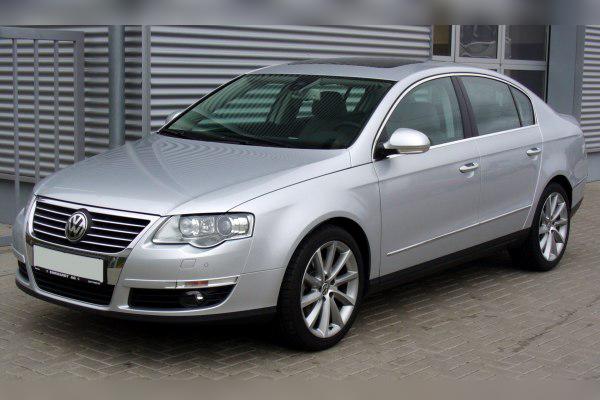
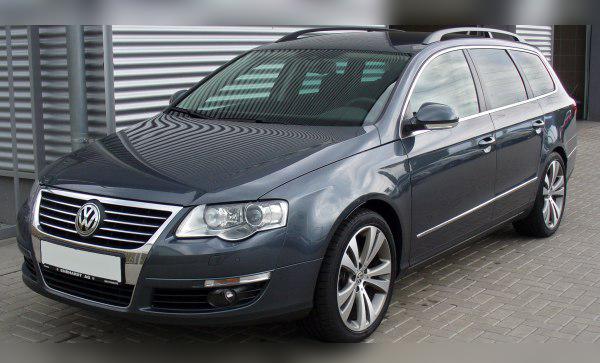
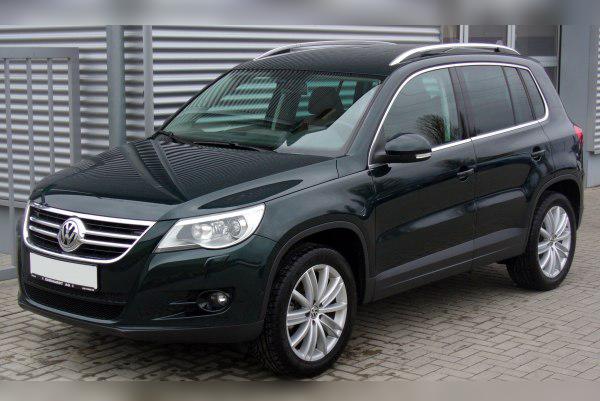
VW 2.0 TDI CBBB (170 hp): Experiences, Problems, Fuel Consumption and Buying Used
Key points (TL;DR)
- Common Rail technology: This is a new-generation engine (compared to the early Passat B6 units) and is significantly quieter and more reliable than the old 170 hp Pump-Düse (PD) engines (such as the BMR code).
- Intake manifold issue: Plastic parts of the intake flap actuator (P2015 error) are the most common specific failure on this engine.
- Oil pump: Although improved compared to its predecessors, you still need to pay attention to the hexagonal oil pump shaft at higher mileages.
- DPF filter: Standard equipment. Sensitive to exclusively city driving.
- Power vs. consumption: Excellent balance. 170 hp and 350 Nm provide sporty performance with moderate fuel consumption.
- Recommendation: One of the best two‑liter diesels of that generation, provided it has been properly maintained.
Contents
- Introduction and Engine Code
- Technical Specifications
- Reliability and Maintenance
- Specific Parts and Costs
- Fuel Consumption and Performance
- Additional Options and Modifications
- Gearbox: Manual and DSG
- Buying Used and Conclusion
Introduction and Engine Code
The engine with the code CBBB represents a turning point for the Volkswagen Group, especially for the Passat B6. It was installed towards the end of the B6 production run (from 2008 to 2010) and in the first generation Tiguan. Its greatest value lies in the fact that it introduced the Common Rail (CR) injection system, replacing the notorious 170 hp Pump-Düse (PD) engines that suffered from serious issues with Siemens injectors and cracked cylinder heads. The CBBB is the engine that restored trust in the 2.0 TDI badge. It is intended for drivers who want strong in‑gear acceleration and safety when overtaking, but are not willing to pay the fuel bills of three‑liter engines.
Technical Specifications
| Displacement | 1968 cc |
| Configuration | Inline 4‑cylinder, 16 valves |
| Power | 125 kW (170 hp) at 4200 rpm |
| Torque | 350 Nm at 1750–2500 rpm |
| Engine code | CBBB |
| Injection system | Common Rail (Bosch Piezo) |
| Turbo | VGT (Variable Geometry), usually BorgWarner BV43 |
| Emissions standard | Euro 5 |
Reliability and Maintenance
Timing belt or chain?
The CBBB engine uses a timing belt. This is good news because the system is quieter and generally more predictable than a chain.
Major service and intervals
The factory recommendation for timing belt replacement is often an optimistic 180,000 km or 210,000 km (depending on year and market). However, real‑world experience and mechanics’ advice call for caution:
Recommendation: Do the major service every 120,000 to 150,000 km or every 5 years, whichever comes first. A snapped belt leads to catastrophic engine damage (pistons hitting valves), so the cost of an early service is negligible compared to the risk.
Oil and oil consumption
This engine takes approximately 4.0 to 4.3 liters of oil. You must use fully synthetic 5W‑30 oil that meets the strict VW 507.00 specification (Low SAPS), primarily to protect the DPF.
Oil consumption: Common Rail engines like the CBBB are much “tighter” than the old PD units. Oil consumption between services is minimal. If the engine uses more than 0.5 liters per 10,000 km, this may indicate a problem with the turbo or piston rings, even though VW covers itself in the manual by stating that up to 1L/1000km is “normal” (which in practice nobody considers normal).
Most common failures
Although more reliable than its predecessors, the CBBB has its own specific weak points:
1. Intake manifold flaps (Swirl flaps): The most common issue. Error code P2015 appears. The problem is not the flaps themselves but the plastic stop on the actuator motor that drives them, or the actuator electronics. The symptom is an illuminated “Check Engine” light and sometimes loss of power.
2. Oil pump (Hex shaft): Although improved compared to early 2.0 TDI engines, the CBBB still uses the infamous “pencil” (hexagonal shaft) to drive the oil pump. Over time it can round off (the edges wear), which leads to loss of oil pressure and potential seizure of the engine and turbo. Preventive inspection or replacement of this shaft during a major service is recommended (the part is cheap, the potential damage is huge).
3. Exhaust gas temperature sensors (EGT): They often fail, which prevents DPF regeneration.
Injectors
Unlike the problematic Siemens Piezo injectors on older PD engines, the CBBB uses Bosch Common Rail Piezo injectors. They have proven to be very durable and robust. They often last well over 300,000 km without issues, provided quality fuel is used and the fuel filter is changed regularly. Overhaul is possible, but still expensive (cost depends on the market, but expect it to be “pricey”).
Specific Parts and Costs
Dual‑mass flywheel
Yes, this engine has a dual‑mass flywheel (DMF), regardless of whether it is paired with a manual or DSG gearbox. Due to the high torque (350 Nm), the flywheel is under heavy load.
Failure symptoms: Metallic “clattering” noise at idle that changes when you press the clutch, vibrations in the clutch pedal, or shuddering of the whole car when switching the engine off. Replacing the clutch kit with the flywheel falls into the “very expensive” category.
Turbocharger
The CBBB uses a single variable‑geometry turbocharger (VGT). Service life is generally long (200,000+ km), but depends on regular oil changes and driving style.
Issue: The geometry can “stick” due to soot if the car is driven gently and “choked” only in city traffic. The symptom is entering “limp mode” under hard acceleration on the motorway because the turbo is overboosting.
EGR and DPF
This engine is equipped with both an EGR valve and a DPF filter.
EGR: Prone to soot build‑up. Symptoms include jerking at partial throttle and increased smoke. Cleaning often solves the problem, but sometimes replacement is necessary.
DPF: On CBBB engines, the DPF is quite durable if the car is regularly driven on open roads. However, with strictly city driving, regenerations are frequent. If warning lights are ignored, the filter can become permanently clogged.
AdBlue system
In Passat B6 and first‑generation Tiguan models with the CBBB engine, the AdBlue system is generally NOT used. They rely on the DPF and oxidation catalysts to meet emissions standards. This is an advantage because there are no additional heaters, pumps and urea injectors that can fail (a common issue on newer Euro 6 engines). Still, always check by VIN, as there are variations for specific markets (e.g. BlueTDI models), but the CBBB is primarily a classic “dirty” diesel with a DPF.
Fuel Consumption and Performance
City driving
A Passat or Tiguan with this engine is not a small car. In heavy traffic, real‑world consumption is between 7.5 and 9.0 l/100 km. If you drive a Tiguan with 4MOTION, expect to be closer to the upper limit or even up to 10 liters in winter.
Is the engine “lazy”?
Absolutely not. With 170 hp and 350 Nm, this engine moves the Passat body (and the heavier Tiguan) with ease. In‑gear acceleration is strong and overtaking is safe. The pull feels linear thanks to the Common Rail system, unlike the “explosive” but short‑lived surge of the old PD engines.
Motorway
This is the natural habitat of the CBBB engine. On open roads at 80–100 km/h, fuel consumption can drop to 5.0–5.5 l/100 km.
On the motorway at 130 km/h, in sixth gear the engine spins at a comfortable 2200–2400 rpm (depending on gearbox and tyre size), and consumption is around 6.0–6.5 l/100 km. Cabin noise is minimal.
Additional Options and Modifications
Remapping (Stage 1)
The CBBB responds very well to remapping. The stock hardware (turbo and injectors) has headroom.
Safe limit: A Stage 1 map usually raises power to 200–210 hp and torque to around 400–420 Nm.
Risk: Increased torque accelerates wear of the dual‑mass flywheel and clutch. If you have a DSG gearbox, it is recommended to remap the gearbox as well so that clutch pressures match the new power level.
Gearbox: Manual and DSG
Gearbox options
Two gearbox options come with the CBBB engine:
1. Manual gearbox (6‑speed): Precise, robust.
2. DSG automatic gearbox (6‑speed, code DQ250): Dual‑clutch gearbox with wet clutches.
Most common gearbox issues
Manual: Almost indestructible by itself. The main expense is the clutch kit and dual‑mass flywheel.
DSG (DQ250): This is an excellent gearbox, but it requires strict maintenance.
Problems: If the oil has not been changed on time, the mechatronics unit (the gearbox “brain”) can fail, which is a “very expensive” repair. Also, the dual‑mass flywheel on DSG cars often fails earlier than on manuals because drivers keep the car on the brake in Drive (D) on inclines instead of using Auto‑Hold or the handbrake.
Gearbox maintenance
Manual: VW says the oil is “lifetime fill”, but in practice: change the gearbox oil every 150,000 km for smoother shifting in winter.
DSG: MANDATORY oil and filter change every 60,000 km. No exceptions. Buying a used car with a DSG gearbox and no service history is a gamble.
Buying Used and Conclusion
What to check before buying?
- Cold start: The engine should fire up instantly. Long cranking may indicate a problem with the battery, starter or fuel system.
- Flywheel noise: Listen for metallic noises while the car is idling.
- Diagnostics: Check injector correction values (they should be close to 0) and DPF load status (Oil Ash Volume). Make sure to check whether the DPF has been removed in software or physically (which can be an issue at inspection/MOT).
- Intake flaps: Check for errors related to the “Intake Manifold Runner” (P2015).
Conclusion
The 2.0 TDI CBBB (170 hp) engine is probably the best choice for the Passat B6 and early Tiguan if you are looking for a diesel. It has solved most of the disastrous issues of the previous PD generations, offers refined operation, excellent performance and reasonable fuel consumption.
It is intended for drivers who cover a lot of kilometres on open roads. For those who drive exclusively “from traffic light to traffic light”, the DPF and EGR will soon cause headaches, so a petrol engine might be a better option. Maintenance is not the cheapest (premium parts, dual‑mass flywheel, potential intake issues), but in return you get a reliable and fast engine that, with proper care, can cover very high mileages.
Was this content useful to you?
Your opinion helps us to improve the quality of the content.