CBDC, CEHC, CLCA Engine
- Engine
- 1968 cm3
- Aspiration
- Turbocharger, Intercooler
- Fuel
- Diesel
- Fuel injection system
- Diesel Commonrail
- Power
- 110 hp @ 4200 rpm
- Torque
- 250 Nm @ 1750 rpm
- Cylinders
- 4
- Valves
- 16, 4 per cylinder
- Cylinders position
- Inline
- Valvetrain
- DOHC
- Oil capacity
- 4.3 l
- Systems
- Particulate filter
# Vehicles powered by this engine
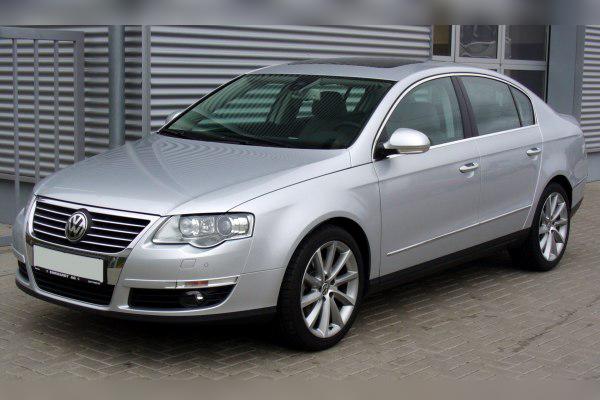
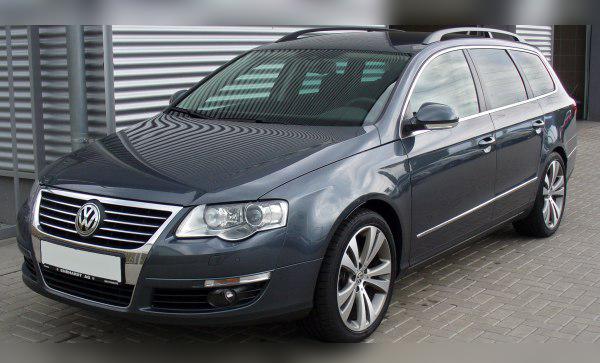
2.0 TDI CR (110 HP) CBDC/CLCA: Experiences, problems, fuel consumption and buying used
Key points (TL;DR)
- Most reliable version in the B6 generation: These are Common Rail (CR) engines that solved most of the issues of the old "Pumpe-Düse" (PD) engines.
- Fuel economy: Extremely low fuel consumption, especially on the open road (often below 5 l/100 km).
- Power: 110 HP is the lower limit for the weight of the Passat. This engine is not for racing, but for relaxed cruising.
- DPF and EGR: Due to their eco-oriented setup (often badged as BlueMotion), these systems are sensitive to city driving.
- Dual-mass flywheel: It is present and represents one of the more expensive maintenance items.
- Excellent base for remapping: Since it is hardware-wise similar to more powerful versions, it can be easily tuned.
Contents
- Introduction and applications
- Technical specifications
- Reliability and maintenance
- Specific parts and costs
- Fuel consumption and performance
- Gearbox and drivetrain
- Additional options and remapping
- Used car buying tips and conclusion
Introduction: The quiet hero of the Passat B6
When someone mentions the Volkswagen Passat B6 and the 2.0 TDI engine, most drivers get chills because of the bad reputation of the early models (injector and oil pump problems). However, the engines we’re talking about today – with codes CBDC, CEHC, CLCA – are a bright spot right at the end of this model’s production (2008–2010).
These are Common Rail diesels detuned to 110 horsepower. They are quieter, smoother and drastically more reliable than their predecessors. They were often sold as "BlueMotion" or as entry-level fleet engines for company cars. If you’re looking for a Passat B6 that won’t leave you stranded, this is probably the best engine you can choose, provided you accept more modest performance.
Technical specifications
| Specification | Data |
|---|---|
| Engine displacement | 1968 ccm (2.0 l) |
| Power | 81 kW (110 HP) |
| Torque | 250 Nm at 1500–2500 rpm |
| Engine codes | CBDC, CEHC, CLCA |
| Injection system | Common Rail (Bosch) |
| Type of charging | Turbocharger with variable geometry (VGT) + intercooler |
| Number of valves | 16v (most variants) |
Reliability and maintenance
Timing belt or chain?
This engine uses a timing belt to drive the camshafts. This is good news because the system is quieter and cheaper to replace than complex chains. The factory replacement interval is often an optimistic 210,000 km (for Western markets), but experience and practice say that the major service should be done at a maximum of 150,000–180,000 km or every 5 years, whichever comes first. A snapped belt leads to catastrophic engine failure.
Most common failures
Although more reliable than its PD predecessors, this engine is not immune to failures:
- EGR valve: It often clogs or the valve electronics fail, especially on cars that are driven very gently to save fuel. Symptoms are a "Check Engine" light and loss of power.
- DPF differential pressure sensor: A cheap part that often fails, but can cause the DPF filter not to regenerate properly.
- Turbo actuator (vacuum): Sometimes there are issues with the vacuum actuator on the turbo, which causes the engine to go into "safe mode" at higher speeds.
Oil and service intervals
The engine takes approximately 4.0 to 4.3 liters of oil (always buy 5 liters). It is mandatory to use 5W-30 oil that meets the strict VW 507.00 specification. This is crucial because of the DPF filter – the wrong oil will permanently clog it with ash.
Oil consumption: Unlike older PD engines, Common Rail (CR) engines are much better sealed. Consumption of 0.5 liters per 10,000 km is acceptable, but many owners report that the oil level stays the same from service to service. Do the minor service every 10,000 to 15,000 km (never at 30,000 km as prescribed by the LongLife service schedule).
Injectors
Great news for CBDC/CLCA owners: These engines use Bosch Common Rail injectors (mostly solenoid, less often piezo on these lower-power versions), which are far more durable than the notorious Siemens piezo injectors from the older 2.0 TDI (140/170 HP) engines. They can easily cover 300,000+ km with good-quality fuel. They can be overhauled and the price is reasonable (depends on the market, but it’s not astronomical).
Specific parts (costs)
Dual-mass flywheel
Yes, this engine has a dual-mass flywheel. Due to the high torque of the diesel, it is under a lot of stress. Symptoms of failure are metallic knocking when switching the engine off, a change in sound at idle when you press the clutch, and vibrations in the pedal. Typical lifespan is around 200,000–250,000 km, depending on driving style (city driving kills it faster). The price of replacing the clutch kit with the flywheel is a major expense (falls into the "expensive" category).
Turbocharger
The engine uses a single turbocharger with variable geometry. The turbo is generally long-lasting if the engine is not switched off immediately after fast driving and if the oil is changed regularly. Problems with the vanes sticking can occur if the car is driven only slowly around town.
DPF and AdBlue
All models with these engine codes (CBDC, CLCA) are equipped with a DPF filter. This is standard for Euro 5. Clogging is a common problem if the car is not regularly driven on the open road. The solution is either professional cleaning or driving on the highway at higher revs.
As for the AdBlue fluid – the Passat B6 generation with this engine generally does not have an AdBlue system (SCR catalyst). It relies only on EGR and DPF for exhaust gas treatment, which is one less concern (and cost) for the owner.
Fuel consumption and performance
City driving
In the city, this engine is extremely efficient for a 2.0-liter. Real-world consumption is between 6.5 and 7.5 l/100 km. The start-stop system (if fitted, on BlueMotion models) can reduce this figure slightly, but in practice the difference is negligible.
Is the engine "lazy"?
To be realistic – 110 HP in a Passat body (which with passengers weighs over 1.6 tons) is the bare minimum. The engine is not "dead", it has decent torque (250 Nm) available low down, so it drives nicely in the city. However, when overtaking on country roads or on steep hills with a fully loaded car, you will feel the lack of power. You have to plan your overtakes.
Motorway and cruising
This is the natural habitat of this engine. On the motorway at 130 km/h the engine runs relaxed. Fuel consumption on the open road can drop to an impressive 4.5–5.5 l/100 km.
Revs at 130 km/h depend on the gearbox:
- 5-speed manual: Around 2,400–2,500 rpm (a bit noisier).
- 6-speed manual: Around 2,100–2,200 rpm (quieter and more economical).
Additional options and modifications
Remapping (Stage 1)
This is the hidden gem. The 110 HP engine is hardware-wise very similar (often identical in block and head) to the more powerful 140 HP versions. The factory has "detuned" it in software.
Safe increase (Stage 1): This engine can easily be taken to 140–150 HP and around 320–340 Nm of torque. With this upgrade the car becomes completely different, and fuel consumption can even slightly drop in normal driving. The risk to the engine is minimal if the engine is healthy to begin with.
Gearbox
Types of gearboxes
With this engine in the Passat B6 you will most often find:
- 5-speed manual: Common in "BlueMotion" variants due to longer gearing for better emissions. They are robust, but you will miss that 6th gear for quieter cruising.
- 6-speed manual: Rarer with the 110 HP engine, but the better choice.
- DSG (automatic): Less common with the weakest engine in the B6 generation, but if present, it is a 6-speed DSG (wet clutch).
Gearbox issues
Manual: Very reliable. The gearbox oil should be changed at around 100,000–150,000 km, even though the factory claims it is "lifetime". The biggest problem is the already mentioned dual-mass flywheel.
DSG: If you come across an automatic, oil and filter changes in the gearbox every 60,000 km are mandatory. If this hasn’t been done, skip the purchase. Mechatronic failures are expensive (very expensive).
Buying used and conclusion
Before buying a Passat with this engine, pay attention to:
- Flywheel noise: Listen for metallic rattling when starting and switching off the engine.
- DPF condition: Use diagnostics to check the filter load (amount of ash and soot). If the exhaust tips are black like coal, the DPF has probably been removed or drilled through.
- Idle quality: The engine must idle smoothly. Rough idle can indicate injector problems or an issue with the fuel pressure regulator.
- Timing belt service history: Check when the timing belt was last replaced.
Conclusion
Who is it for? The Passat B6 with the 2.0 TDI (110 HP) CR engine is an ideal choice for rational buyers. It is aimed at family-oriented drivers and those who cover high mileages on the open road and want the comfort of a Passat with the fuel costs of a city car. If you are coming from older PD diesels, you will be impressed by how quiet it runs.
Avoid it if you like aggressive driving or plan to tow heavy trailers without prior remapping. Compared to the problematic series before 2008, this engine is "gold" in the B6 Passat body.
Was this content useful to you?
Your opinion helps us to improve the quality of the content.