CAWB, CCZA Engine
- Engine
- 1984 cm3
- Aspiration
- Turbocharger, Intercooler
- Fuel
- Petrol (Gasoline)
- Fuel injection system
- Direct injection
- Power
- 200 hp @ 5100 rpm
- Torque
- 280 Nm @ 1800 rpm
- Cylinders
- 4
- Valves
- 16, 4 per cylinder
- Cylinders position
- Inline
- Valvetrain
- DOHC
- Oil capacity
- 4.7 l
# Vehicles powered by this engine
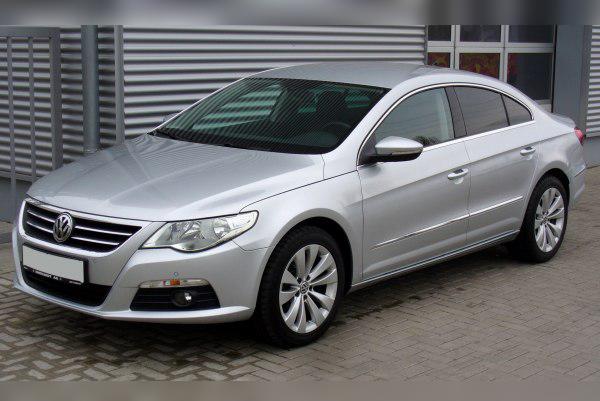
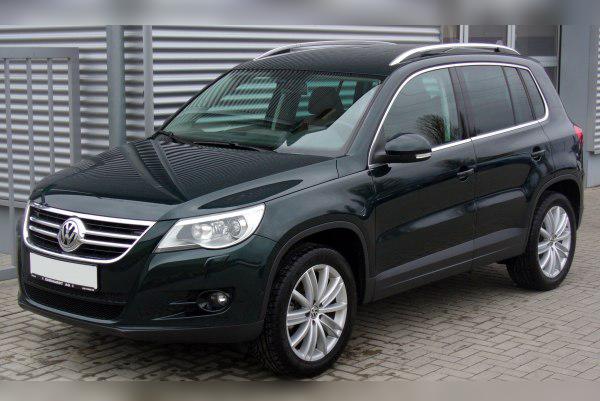
VW 2.0 TSI (CAWB, CCZA) – Experiences, problems, fuel consumption and buying tips
The 2.0 TSI engine with codes CAWB and CCZA belongs to the famous, but also controversial EA888 family of the Volkswagen Group. These engines offer fantastic performance and driving pleasure, but they come with certain “baggage” when it comes to maintenance. They were installed in popular models such as the VW Passat CC and VW Tiguan, representing the golden middle ground between power and everyday usability.
This text is intended for those who want honest advice: is this engine a money pit or a machine that puts a smile on your face? Below we’ll analyze in detail all the flaws, strengths and costs.
Key points in short (TL;DR)
- Timing chain and tensioner: The Achilles’ heel of this engine. The old type of tensioner can fail and lead to catastrophic engine damage. Mandatory to check!
- Oil consumption: Especially with CCZA variants, the engine can consume large amounts of oil due to poor oil ring design.
- Intake manifold: A common problem with the flaps (“butterflies”) in the intake manifold that regulate airflow.
- Performance: Extremely flexible engine, accelerates very well and easily copes with the weight of the Tiguan and Passat CC.
- Tuning potential: One of the best engines for “chipping”; power can be safely increased by 30–40 hp.
- Conclusion: Excellent for drivers who know what they are buying and are ready for preventive maintenance. Not for those who want a pure “fill up and drive” car without ever opening the hood.
Contents
- Technical specifications
- Reliability and maintenance
- Specific parts and costs
- Fuel consumption and performance
- Additional options and modifications (LPG & Tuning)
- Gearbox (DSG vs Manual)
- Buying used and conclusion
Technical specifications
| Characteristic | Data |
|---|---|
| Engine codes | CAWB (EA888 Gen 1), CCZA (EA888 Gen 2) |
| Displacement | 1984 cc |
| Power | 147 kW (200 hp) |
| Torque | 280 Nm at 1700–5000 rpm |
| Injection type | Direct injection (TSI / TFSI) |
| Induction | Turbocharger (BorgWarner K03) + intercooler |
| Camshaft drive | Chain (timing chain) |
| Oil capacity | ~4.6 to 4.7 liters |
Reliability and maintenance
Timing belt or chain?
Engines with codes CAWB and CCZA use a timing chain. Unfortunately, this is the most critical point of these engines. The problem is not so much the chain itself as the hydraulic chain tensioner. The factory tensioners on early models had a design flaw where the return mechanism would fail, allowing the chain to jump teeth. Symptoms are rattling on cold start (a “metal on metal” sound). If this is ignored, the pistons hit the valves and the engine suffers total failure.
Tip: Immediately after purchase, check which revision of the tensioner is installed. It is recommended to install the latest revision of the tensioner and chain as a preventive measure.
Most common failures
Besides the chain, these engines are known for the following issues:
- PCV valve (crankcase ventilation / oil separator): When the membrane tears, the engine loses vacuum, idles roughly and starts to “whistle”. It also increases oil consumption.
- Water pump and thermostat: The housing is made of plastic which deforms over time from heat, leading to coolant leaks.
- Coil packs (ignition coils): They often fail, causing misfires and the engine to run on 3 cylinders.
- Carbon buildup: Due to direct injection, fuel does not wash the intake valves. Over time, carbon deposits build up, choking the engine and reducing power.
Oil consumption
This is a painful point, especially for CCZA engines (EA888 Gen 2). The factory piston rings have oil drain holes that are too small and quickly clog with carbon. When that happens, oil stays in the cylinder and burns. Consumption can go from 0.5 L up to even 1 L per 1000 km in extreme cases. VW considers up to 0.5 L/1000 km “within normal limits”, but for the owner this is a red flag. The solution is an expensive rebuild – replacing pistons and rings with modified versions.
Service intervals and oil
- Minor service: Although the manufacturer suggests “LongLife” intervals (30,000 km), for the longevity of the chain and turbo you MUST change the oil every 10,000 km, 15,000 km at the absolute maximum.
- Major service (chain): There is no fixed interval. It is replaced as needed, i.e. when it can be heard or when diagnostics show stretch (“phase position”). In practice, this is often between 100,000 and 150,000 km.
- Which oil? Fully synthetic 5W-30 or 5W-40 that meets VW 504.00 / 502.00 standards is recommended. The engine takes about 4.6 to 4.7 liters.
- Spark plugs: On petrol engines they are replaced every 60,000 km. If the engine is chipped, the interval is reduced to 30,000 km.
Specific parts (costs)
Dual-mass flywheel
Yes, this engine has a dual-mass flywheel, regardless of whether it is paired with a manual gearbox or a DSG automatic. On 2.0 TSI engines, the flywheel is subjected to high torque. Symptoms of failure are knocking at idle that disappears when you press the clutch (on manuals) or metallic noises when switching the engine off. Replacement is expensive (depends on the market, but it is among the pricier items).
Fuel injection system and injectors
It uses high-pressure direct injection. Injectors are generally reliable but sensitive to poor fuel quality. Injector failure manifests as fuel leaking into the cylinder (washing oil off the cylinder walls) or rough running. The price of a single injector is significantly higher than on old MPI engines.
Turbocharger
The engine uses a single BorgWarner K03 (or IHI on newer revisions) water-cooled turbocharger. Service life is usually over 200,000 km with regular maintenance. A common problem is not the turbo itself, but the diverter valve (N249) or the wastegate flap which develops play and rattles. If the wastegate does not close properly, turbo boost is lost and the car performs worse.
DPF, EGR and emissions
Since this is a petrol engine, it does not have a DPF filter (DPF is for diesels). However, it does have a catalytic converter which can fail if the engine burns a lot of oil. As for the EGR system, exhaust gas recirculation is handled internally via variable valve timing, so there is no classic EGR valve that clogs up like on diesels.
AdBlue: No, this engine does not use AdBlue fluid.
Fuel consumption and performance
Real-world fuel consumption
Do not trust the factory figures. This is a powerful turbo petrol engine in heavy bodies.
- City driving: Expect between 11 and 14 l/100 km. In heavy traffic (e.g. Tiguan 4MOTION automatic) it can go up to 15 l.
- Open road: With moderate driving (80–90 km/h) it is possible to get down to 7–8 l/100 km.
- Motorway (130 km/h): Consumption is around 8.5 to 9.5 l/100 km.
Is the engine “lazy”?
Absolutely not. With 200 hp and 280 Nm available from as low as 1700 rpm, this engine moves the Passat CC and Tiguan with ease. The acceleration feels linear and strong. In the Tiguan 4MOTION, all-wheel drive adds weight, but the car still feels very lively, much better than 2.0 TDI variants of similar power.
Motorway driving
This is the natural habitat of the Passat CC. The engine is very quiet. At 130 km/h in top gear (6th), the engine spins at about 2,800–3,000 rpm (depending on the gearbox), which provides quiet cruising and enough power reserve for overtaking without downshifting.
Additional options and modifications
LPG conversion
Is it possible? Yes, but it is complicated and expensive. Due to direct injection (injectors are in the cylinder), a regular sequential LPG system cannot be installed. There are two options:
- A system that injects LPG through the petrol injectors (liquid phase) – very expensive (depends on the market, but often over 1000 EUR).
- A system that uses a mixture of LPG and petrol (e.g. 80% LPG, 20% petrol) to cool the petrol injectors.
Given the installation cost, cost-effectiveness is questionable unless you drive very high mileages.
Chiptuning (Stage 1)
This engine is a tuner’s dream. Stock components are very robust (except the clutch on manuals if you overdo it). With a simple Stage 1 remap, power can be safely raised to 240–250 hp, and torque to over 350 Nm. The difference in driving is dramatic. It is recommended only if the engine is mechanically in perfect condition (chain, turbo, spark plugs).
Gearbox
Types of gearboxes
With this engine in the Passat CC and Tiguan there were three options:
- Manual gearbox (6-speed): Precise and robust.
- Tiptronic (6-speed): Classic automatic with a torque converter (installed in the Tiguan and Passat CC in some markets, mostly the USA, but also Europe on early models).
- DSG (6-speed, code DQ250): Dual-clutch “wet” type gearbox. The most common choice in Europe.
Failures and maintenance
- Manual: The most common expense is the clutch kit and dual-mass flywheel. Replacement is usually needed between 150k and 200k km, depending on driving style.
- DSG (DQ250): Very fast, but requires strict maintenance. Oil and filter in the DSG gearbox must be changed every 60,000 km. If this is not done, the mechatronics (the gearbox “brain”) fails, which is very expensive to repair. Also, the flywheel on a DSG can be heard as metallic “clattering” at idle when it is worn out.
- Tiptronic: More reliable than DSG in terms of mechanics, but slower. Oil change is needed every 60,000–80,000 km even though VW sometimes claims it is “lifetime”.
Buying used and conclusion
When buying a Passat CC or Tiguan with the 2.0 TSI engine (CAWB/CCZA), make sure to do the following:
- Cold start: Insist that the engine is completely cold. Listen to the chain in the first 3–5 seconds of running. Any rattling is a sign that replacement is urgently needed.
- Exhaust smoke: Rev the warmed-up engine. Bluish smoke or heavy soot on the exhaust tips indicates oil consumption (rings or turbo).
- Diagnostics: Check the camshaft “phase position” (chain condition) and any fault codes related to the “intake manifold runner”.
Conclusion:
The 2.0 TSI (200 hp) engine is intended for drivers who want performance and driving pleasure and are ready to pay a bit more for fuel and maintenance. It is not as economical as the 2.0 TDI, but it is quieter, faster and cheaper to register and buy used. If you find an example with the chain issue resolved and that does not consume excessive oil, you will get a fantastic machine that puts a smile on your face every time you press the throttle.
Was this content useful to you?
Your opinion helps us to improve the quality of the content.