CEXA Engine
- Engine
- 2967 cm3
- Aspiration
- Turbocharger, Intercooler
- Fuel
- Diesel
- Fuel injection system
- Diesel Commonrail
- Power
- 240 hp @ 4000 rpm
- Torque
- 500 Nm
- Cylinders
- 6
- Cylinders position
- V-engine
- Oil capacity
- 8.3 l
- Coolant
- 13 l
- Systems
- Particulate filter
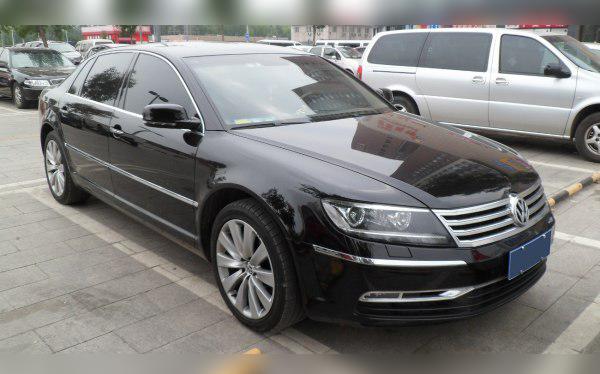
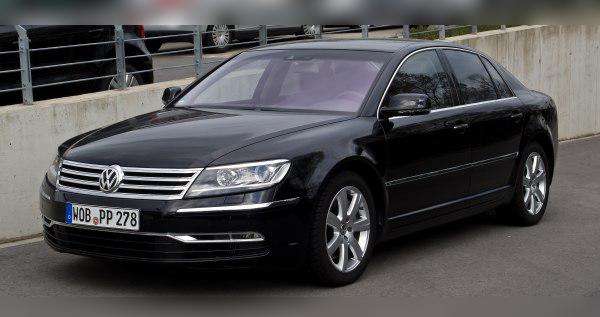
# Vehicles powered by this engine
VW 3.0 V6 TDI (CEXA) – Experiences, issues, fuel consumption and maintenance
1. The most important in short (TL;DR)
- Complex timing system: The engine uses chains (4 chains) located at the rear of the engine (towards the gearbox). Replacement is expensive and requires removing the engine.
- Piezo injectors: Sensitive to poor fuel quality, expensive to refurbish or replace (depends on the market).
- Ideal for highway driving: In the heavy Phaeton body, this engine shines on the motorway, while city driving chokes it and wears out the DPF.
- Intake swirl flaps: A common problem with the rods that actuate the flaps in the intake manifold, which leads to the "Check Engine" light coming on.
- Transmission maintenance: The automatic gearbox is robust, but requires regular oil changes to avoid costly mechatronics failures.
- Conclusion: An excellent engine for long-distance drivers, but it requires a "deep pocket" for maintenance once major services are due.
Contents
- Introduction and applications
- Technical specifications
- Reliability and maintenance
- Specific parts and costs
- Fuel consumption and performance
- Additional options and modifications
- Gearbox and drivetrain
- Buying used and conclusion
Introduction and applications
The engine with the code CEXA is an evolution of Volkswagen’s well-known 3.0 V6 TDI unit. Specifically, this 240 hp (176 kW) version was installed in the facelifted (2010) Volkswagen Phaeton. This is a key engine for this model because it represents the "golden middle" – it is significantly more economical and easier to maintain than the massive V10 TDI or W12 petrol, while providing more than enough power to move this luxury sedan weighing over 2 tons.
It is a common-rail diesel that offers fantastic refinement, cabin quietness and huge torque, which makes it one of the best cruisers on the used market, provided it has been properly maintained.
Technical specifications
| Parameter | Value |
|---|---|
| Engine code | CEXA |
| Displacement | 2967 cc (3.0 L) |
| Configuration | V6 |
| Power | 176 kW / 240 hp |
| Torque | 500 Nm |
| Injection system | Common rail (Piezo injectors) |
| Charging type | Variable-geometry turbocharger (VGT) + intercooler |
| Drivetrain | 4MOTION (all-wheel drive) |
| Emissions standard | Euro 5 |
Reliability and maintenance
Timing system: chain or belt?
The CEXA engine uses a chain system for the timing drive. Specifically, it is a complex system with four chains located at the rear of the engine (between the engine and the gearbox). This was engineered to save space under the bonnet and improve balance, but it is a nightmare for mechanics.
Although the manufacturer claims the chain is "maintenance-free", in practice chain stretch or failure of the hydraulic tensioners usually occurs between 200,000 and 300,000 km, and sometimes earlier if oil changes are neglected.
Symptoms: Rattling (metallic noise) on cold start that lasts longer than 3–5 seconds.
Cost: Very expensive (depends on the market), because replacement requires removing the entire engine from the car.
Most common failures
Besides the chain, owners most often encounter the following issues:
- Intake manifolds (swirl flaps): The plastic rods that control the flaps in the intake manifold wear out, the flaps get stuck and the engine turns on the "Check Engine" light. This is solved by installing a repair kit or replacing the entire manifold.
- Oil and coolant leaks: The V6 design has a lot of seals. Oil leaks often occur at the oil cooler located in the "V" of the engine. The parts are cheap, but labour is expensive.
- Thermostat and water pump: Common failures that can lead to overheating.
Major and minor service
A "major service" in the classic sense (belt replacement) here refers to replacing the serpentine belt, tensioner and idler pulleys at the front of the engine, which should be done at around 100,000–120,000 km. However, the real "major service" (chain replacement) is done as needed, i.e. when warning noises appear.
Oil: capacity and consumption
This engine holds a large amount of oil, approximately 8.0 to 8.2 litres.
Recommendation: Only fully synthetic 5W-30 oil that meets the VW 507.00 specification (because of the DPF).
Oil consumption: A healthy CEXA engine should not consume more than 0.5 to 1 litre of oil per 10,000 km. If consumption is higher (e.g. 1 L per 2,000 km), this points to problems with piston rings, the turbocharger or leaks.
Injectors
This engine uses modern Bosch piezo injectors. They allow precise injection and smooth running. Their lifespan is usually over 200,000 km, but they are sensitive to poor-quality diesel.
Symptoms of problems: Rough idle, increased smoke under acceleration, higher fuel consumption or difficult starting. Refurbishing piezo injectors is difficult and replacement with new or factory-refurbished units is often recommended, which is expensive (depends on the market).
Specific parts (costs)
Dual-mass flywheel
Since the Phaeton CEXA comes with an automatic transmission, it does not have a classic dual-mass flywheel like manual gearboxes that is replaced as a wear item. It uses a hydraulic torque converter (wandler). Although the converter can fail, this happens much less often than with a dual-mass flywheel. There is, however, a "drive plate" (automatic flywheel) that can crack in rare cases, but it is not a regular maintenance item.
Turbocharger
The engine has a single variable-geometry turbocharger (VGT), located at the top of the engine. Its service life is long (200,000+ km) with regular oil changes and proper cooldown after driving.
Most common issue: Failure of the electronic actuator (which controls the geometry). The symptom is loss of power and the engine going into "safe mode".
DPF and EGR
Yes, the CEXA engine has both a DPF filter and an EGR valve.
Problems: The Phaeton is a limousine intended for long-distance driving. If this car is driven exclusively in the city (stop-and-go), the DPF will inevitably clog because the engine cannot reach the temperature needed for regeneration. The EGR valve often gets clogged with soot, which chokes the engine.
AdBlue: The CEXA engine meets Euro 5. Most Phaeton versions from this period do not have an AdBlue system, relying instead on advanced DPF and EGR control. Still, be sure to check next to the fuel cap or in the boot for an AdBlue filler, as specifications may vary depending on the target market.
Fuel consumption and performance
Real-world fuel consumption
The Phaeton is an extremely heavy car (over 2.2 tonnes with driver and fuel), plus it has permanent 4MOTION all-wheel drive and an automatic gearbox. Do not trust the official figures.
- City driving: Expect between 11 and 14 l/100 km. In heavy winter traffic it can go even higher.
- Open road: This is where the engine shines. At 90–100 km/h consumption drops to around 7–8 l/100 km.
- Average: A realistic mixed average is about 9.5–10.5 l/100 km.
Performance and "sluggishness"
The engine is not "sluggish", but it is not explosively sporty either. With 500 Nm of torque available from low revs, the Phaeton pulls away authoritatively. However, due to the high weight, the sensation of acceleration is linear and muted by good sound insulation. It needs around 8.3 to 8.6 seconds to reach 100 km/h, which is perfectly acceptable. There is plenty of power in reserve for overtaking on country roads.
On the motorway, at 130 km/h in top gear, the engine turns at a low ~2000–2100 rpm, which ensures quietness and lower fuel consumption.
Additional options and modifications
Chip tuning (Stage 1)
The 3.0 TDI engines respond very well to remapping. A safe Stage 1 tune can raise power to around 280–290 hp and torque to about 580–600 Nm.
Caution: Although the engine can handle this increase, the weakest link may be the gearbox or the DPF if it is already near the end of its life. Before remapping, always check the condition of the injectors and turbocharger.
Gearbox
Type of gearbox
With the CEXA engine in the Phaeton, only a 6-speed Tiptronic automatic gearbox was fitted (usually the ZF 6HP series or a corresponding 4MOTION variant). A manual gearbox was not an option for this engine-body combination.
Gearbox maintenance and failures
This is a conventional automatic with a torque converter, known for its comfort.
- Service: Although VW often claims the oil is "lifetime", the gearbox manufacturer (ZF) recommends changing the oil and filter every 60,000 to 80,000 km. If you skip this, expect jerks when shifting.
- Most common failures: Oil leaks from the gearbox sump (the plastic pan deforms), mechatronics issues (solenoids) if the oil is dirty, and torque converter wear at high mileage (symptom: fluctuating revs at constant speed).
- Cost: Overhauling these gearboxes is very expensive (depends on the market), so checking the gearbox condition before purchase is crucial.
Buying used and conclusion
What to check before buying?
- Cold start: Insist that the engine is completely cold. Listen to the chain. Rattling that lasts more than a few seconds means a cost of over 1000 EUR (depending on the market).
- Diagnostics: Check injector corrections. Large deviations mean replacement is near. Check DPF condition (ash load).
- Leaks: Remove the plastic engine cover and look for oil traces in the V of the engine (sign of an oil cooler leak).
- Gearbox: The gearbox must shift imperceptibly, both cold and hot. Any banging or hesitation is a bad sign.
Conclusion
The VW Phaeton with the 3.0 V6 TDI (CEXA) engine is a fantastic long-distance machine that offers Bentley-level comfort for the price of a used Golf. However, that low purchase price is a trap. Maintenance costs are in line with the vehicle’s class (high luxury segment).
This engine is intended for drivers who cover a lot of motorway kilometres and who are willing to financially support preventive maintenance (chain, injectors, gearbox). It is not recommended for city-only driving nor for those looking for cheap running costs.
Was this content useful to you?
Your opinion helps us to improve the quality of the content.