EA837 Engine
- Engine
- 2995 cm3
- Aspiration
- Turbocharger, Intercooler
- Fuel
- Petrol (Gasoline)
- Fuel injection system
- Direct injection
- Power
- 299 hp
- Torque
- 440 Nm
- Cylinders
- 6
- Valves
- 24, 4 per cylinder
- Cylinders position
- V-engine
- Valvetrain
- DOHC
# Vehicles powered by this engine
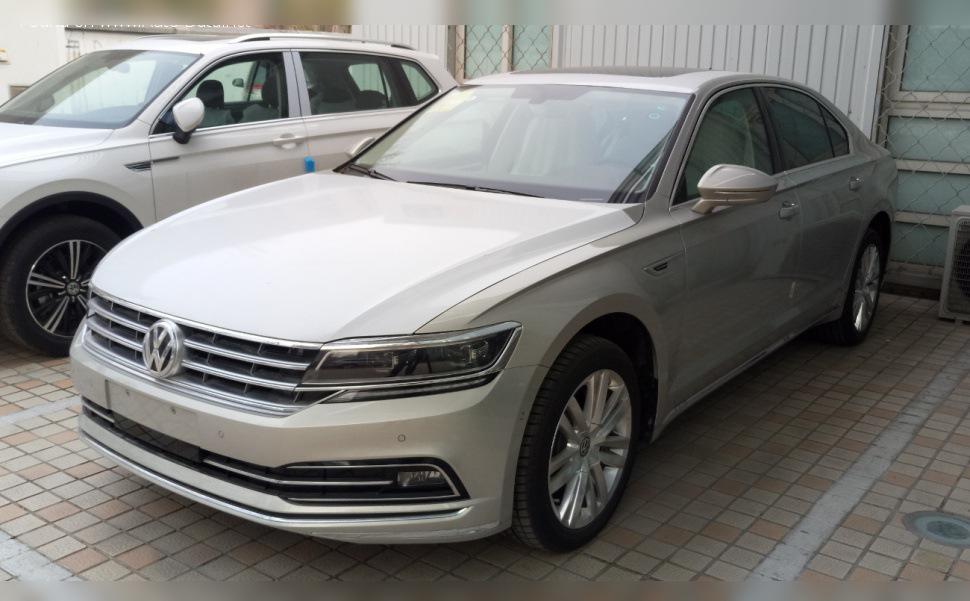
3.0 V6 TSI/TFSI (EA837) – Experiences, Issues, Fuel Consumption and Maintenance
Key points in short (TL;DR)
- Forced induction system: Although it carries the TSI/TFSI badge, the EA837 series uses a mechanical supercharger, not a conventional turbocharger. This gives it instant throttle response.
- Timing: The timing system uses a chain. It is located at the rear of the engine (towards the cabin), which makes any replacement very expensive and complicated.
- Oil consumption: A common issue caused by a faulty PCV valve (oil vapor separator).
- Cooling system: The thermostat and water pump are weak points; their housings are plastic and prone to cracking.
- Performance: An excellent, very potent engine that easily handles heavy bodies such as the VW Phideon, Touareg or Audi A6 models.
- Tuning potential: Huge. With a smaller supercharger pulley and software, power increases dramatically.
Contents
- Introduction and applications
- Technical specifications
- Reliability and maintenance
- Specific parts and costs
- Fuel consumption and performance
- Additional options and LPG
- Gearbox and drivetrain
- Buying used and conclusion
Introduction and applications
The engine with the code EA837 is one of the most important power units of the Volkswagen Group in the last decade when it comes to powerful petrol engines. In this specific case, we are talking about the 3.0 V6 unit that is installed in prestigious models such as the Volkswagen Phideon (a luxury sedan primarily for the Asian market, the spiritual successor to the Phaeton).
What sets this engine apart from the competition is the way it delivers power. Unlike most modern engines that use exhaust gases to drive a turbocharger, the EA837 uses a mechanical supercharger (Roots-type) mounted between the cylinder banks (in the "V" valley). This results in linear acceleration without the so‑called "turbo lag", making driving extremely smooth, which is crucial for a high‑class sedan.
Technical specifications
| Characteristic | Value |
|---|---|
| Engine code | EA837 (3.0 TSI / TFSI) |
| Displacement | 2995 cc (3.0 L) |
| Configuration | V6 (90‑degree angle) |
| Power | 220 kW (299 hp) |
| Torque | 440 Nm |
| Forced induction | Mechanical supercharger + intercooler |
| Injection | Direct injection (FSI/TSI) |
| Camshaft drive | Chain |
Reliability and maintenance
Timing system: chain or belt?
This engine uses a chain system for timing. It is an engineeringly complex system consisting of several chains located at the rear of the engine (towards the gearbox/firewall). Although the chain was initially intended to last for the "lifetime" of the engine, real‑world use has shown otherwise. Rattling at cold start (usually the first 1–3 seconds) is the first sign that the hydraulic chain tensioners have weakened or that the chain has stretched.
Replacing the chain on this engine is a very expensive undertaking (depending on the market, but it falls into the high‑cost category) because it usually requires removing the entire engine from the car due to the inaccessible position of the mechanism. If you hear constant rattling or the engine reports a camshaft/crankshaft synchronization error, replacement is urgent.
Oil consumption and service intervals
Oil consumption on EA837 engines is a common occurrence, but it usually does not come from worn piston rings (except at very high mileage), but from problems with the PCV valve (oil vapor separator). When the membrane in this valve tears, the engine starts to suck oil into the intake manifold and burn it. This manifests as bluish smoke and increased oil consumption. An amount of 0.5 liters per 2,000–3,000 km is often tolerated with more aggressive driving, but a sudden increase in consumption indicates a PCV system failure.
Oil quantity: The engine holds approximately 6.5 to 6.8 liters of oil.
Viscosity: Fully synthetic 5W‑30 or 5W‑40 oil that meets strict VW standards (VW 502.00 or 504.00) is recommended.
Minor service: It is recommended every 10,000 km up to a maximum of 15,000 km. Long‑life intervals of 30,000 km should be avoided if you want to preserve the chain and hydraulic lifters.
Spark plugs and ignition system
Since this is a petrol engine with direct injection and a supercharger, the spark plugs are exposed to high thermal loads. It is recommended to replace the spark plugs every 60,000 km. If the engine is "chipped", the interval should be shortened to 30,000–40,000 km, with a recommendation to use "colder" spark plugs.
Most common failures
In addition to the aforementioned PCV valve and chain, owners should pay attention to:
- Thermostat and water pump: They often fail before 100,000 km. Symptoms are engine overheating or coolant leaks. The pump is mechanical.
- Carbon buildup: Due to direct injection, fuel does not wash the intake valves. Over time, carbon deposits build up on them, leading to rough idle and power loss. Cleaning (walnut shell blasting) is usually needed at around 100,000–120,000 km.
- Coolant leaks in the "V" valley: Leaks often occur under the supercharger, which is hard to see from the outside until it is too late.
Specific parts (costs)
Turbo or supercharger?
As mentioned, although you asked about a turbo, this engine (EA837) in the VW Phideon uses a mechanical supercharger (Eaton Roots‑type).
Service life: Superchargers are generally more reliable than turbochargers. They do not suffer from lag and do not get as extremely hot as turbos. They often last as long as the engine itself, provided the oil in the supercharger is changed regularly (something many workshops forget to do).
Fuel injection system
It uses high‑pressure direct injection. The injectors are generally reliable but sensitive to poor fuel quality. Injector failure manifests as "dribbling" fuel into the cylinder, which can wash the oil film off the cylinder wall and lead to catastrophic engine damage. It is not a widespread issue, but it does happen. The price of injectors is in the expensive range (depending on the market).
Dual‑mass flywheel
Yes, this engine, when paired with a DSG gearbox, uses a dual‑mass flywheel. It is necessary to absorb the vibrations of the powerful V6 engine and protect the gearbox. Its lifespan depends on driving style, but it usually lasts between 150,000 and 200,000 km. Replacement is expensive.
Emissions equipment (DPF, EGR, AdBlue)
Since this is a petrol engine, it does not have a DPF filter or AdBlue system. This is a big advantage over diesels for city driving. However, it does have catalytic converters, which are very expensive. Newer models may have a GPF (Gasoline Particulate Filter), depending on the year of manufacture and market (for China and the newer EU models it is mandatory). GPFs rarely clog compared to diesel DPFs because petrol engines run with higher exhaust temperatures. An EGR valve is present but is not as problematic as on diesels.
Fuel consumption and performance
Is the engine "lazy"?
Absolutely not. With 299 hp and 440 Nm of torque available very low in the rev range (thanks to the supercharger), this engine plays with the Phideon’s body. Acceleration is instant and linear. There is no waiting for the "turbo to spool up". It is extremely safe for overtaking on open roads.
Real‑world fuel consumption
- City driving: This is the painful part. Expect between 12 and 16 l/100 km, depending on traffic and how heavy your right foot is. In heavy stop‑and‑go traffic, consumption easily goes higher.
- Country roads: It can drop to around 8–9 l/100 km.
- Motorway (130 km/h): At this speed the engine is relaxed (usually below 2,500 rpm in top gear) and uses about 9–10.5 l/100 km.
Additional options and modifications
LPG installation
Is it possible? Yes. Is it advisable? Only if you install a top‑quality system. Due to direct injection (injectors are in the cylinder), you cannot install a regular sequential LPG system. You need a system for direct liquid gas injection or a system that "mixes" petrol and LPG (to cool the petrol injectors). Installation is very expensive and its cost‑effectiveness is questionable unless you drive very high mileage. You also lose part of the boot space.
Chiptuning (Stage 1)
This engine is every tuner’s dream. "Stage 1" (software only) can safely raise power to around 350–380 hp. However, the real magic happens with a smaller supercharger pulley (which spins the supercharger faster) combined with software ("Stage 2"). Then power easily exceeds 400 hp. Mechanically the engine is very robust and handles these increases well, provided the cooling system is in good condition.
Gearbox
In the VW Phideon this engine is exclusively paired with a DSG automatic gearbox (Direct Shift Gearbox) with 7 gears (wet clutch). The gearbox code is usually a variation of DL382 or DL501 (longitudinal installation). Manual gearboxes are not fitted to this class of vehicle with this engine.
Gearbox maintenance and issues
- Service interval: Oil and filter in the DSG gearbox must be changed every 60,000 km. Skipping this service drastically shortens the life of the mechatronics unit.
- Most common failures: Failure of the mechatronics (the gearbox control unit) is the most expensive issue. Symptoms are jerking when moving off, harsh gear changes or going into "safe mode". The clutch pack also wears, but usually lasts over 200,000 km with normal driving.
- Clutch replacement cost: Very expensive (depending on the market), as it requires removing the gearbox and special tools for calibration.
Buying used and conclusion
When buying a car with the EA837 engine, make sure you do the following:
- Cold start: Insist that the engine is completely cold. Listen for chain rattling lasting longer than 2–3 seconds. If it rattles longer, prepare money for a major service.
- Check for leaks: Look for traces of reddish coolant around the water pump and thermostat.
- Diagnostics: Check for "misfire" errors on cylinders, which may indicate dirty valves or bad spark plugs/coils.
Conclusion: The VW Phideon with the 3.0 V6 (EA837) engine is a car for enjoyment, not for saving money. This is an engine for people who want refinement, sound and power, and are willing to pay higher registration, fuel and maintenance costs. Mechanically it is very capable and more durable than many modern downsized engines, but it requires meticulous maintenance.
Was this content useful to you?
Your opinion helps us to improve the quality of the content.