DNAA Engine
- Engine
- 1984 cm3
- Aspiration
- Turbocharger, Intercooler
- Fuel
- Petrol (Gasoline)
- Fuel injection system
- Direct injection
- Power
- 207 hp
- Torque
- 320 Nm
- Cylinders
- 4
- Valves
- 16, 4 per cylinder
- Cylinders position
- Inline
- Valvetrain
- DOHC
- Systems
- Start & Stop System, Particulate filter
# Vehicles powered by this engine
Key Takeaways (TL;DR)
- Engine: DNAA is a 2.0 TSI (EA888 Gen 4) – an extremely potent unit for the size of the Polo GTI.
- Timing drive: Uses a chain. Much more reliable than older generations, but requires high-quality oil.
- Weak points: Thermostat module and water pump (coolant leaks) are the most common mechanical failures.
- Gearbox: Comes exclusively with a DSG gearbox (usually DQ381) which requires regular oil changes.
- GPF filter: Equipped with a gasoline particulate filter – you must use VW 508.00 (0W-20) spec oil.
- Recommendation: Ideal for enthusiasts. Not cheap to maintain, but delivers top-notch performance.
Contents
DNAA 2.0 TSI: The Heart of the Polo GTI (2021+) – Real-World Experience and Issues
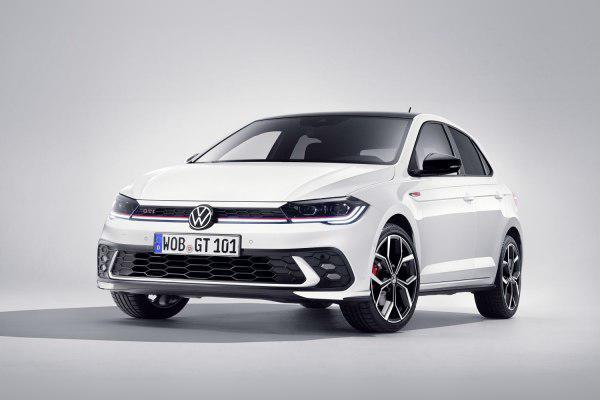
The DNAA engine is the fourth generation (Gen 4) of the famous VAG EA888 engine family. It is installed primarily in the facelifted Volkswagen Polo VI GTI, replacing the previous 200 hp engine. With its 207 horsepower in a B‑segment car, this is not just a means of transport, but a serious performance machine.
Unlike older TSI engines, notorious for oil consumption and timing chain failures, the DNAA brings many improvements, higher injection pressure and a more sophisticated emissions control system. Still, high performance comes with specific maintenance requirements that the average driver must not ignore.
Technical Specifications
| Characteristic | Value |
|---|---|
| Engine code | DNAA (EA888 Gen 4) |
| Displacement | 1984 cc (2.0 L) |
| Power | 152 kW (207 hp) |
| Torque | 320 Nm at 1500–4500 rpm |
| Injection type | Direct injection (TSI/FSI) – 350 bar |
| Induction | Turbocharger + intercooler |
| Emissions standard | Euro 6d (with GPF filter) |
Reliability and Maintenance
Timing system: Chain or belt?
The DNAA engine uses a timing chain to drive the valves. This is the fourth generation of the EA888 engine, where the chain stretching issues (which destroyed engines before 2012) have largely been resolved. The chain is designed to last the lifetime of the vehicle, but in practice it is recommended to thoroughly check for noise (rattling on cold start) and chain stretch via diagnostics after around 150,000 km.
Most common failures
Although more reliable than its predecessors, the DNAA has its own quirks:
- Thermostat module and water pump: The housing is made of plastic which deforms due to repeated heating and cooling cycles. Symptoms are coolant loss without a visible puddle under the car (it evaporates on the engine block) or overheating. This is the most common failure.
- Oil pressure sensors: Can give false warnings.
- GPF sensors: Differential pressure sensors on the particulate filter can fail, triggering the "Check Engine" light.
- Carbon buildup: Like every direct-injection engine, the intake valves are prone to carbon deposits, which over time reduces power and increases fuel consumption.
Service intervals and spark plugs
There is no major service in the classic sense (no timing belt replacement). However, the auxiliary (serpentine) belt, tensioner and water pump should be planned for replacement at around 100,000–120,000 km, or earlier if the pump starts leaking.
Spark plugs on this engine, due to its high performance and direct injection, should be replaced every 60,000 km or 4 years. Do not skimp on spark plugs; use only NGK or Bosch according to factory specification.
Oil: Quantity, grade and consumption
The engine takes approximately 5.7 liters of oil. Due to strict emissions standards and the GPF filter, Volkswagen strictly recommends 0W-20 oil with VW 508 00 specification for the DNAA engine. This oil is rare and has a slightly greenish color.
Oil consumption: EA888 Gen 4 is significantly better in this regard than older versions. Consumption of 0.3 to 0.5 liters per 5,000 km can be considered acceptable if the car is driven hard. If it uses more than 1 liter per 2,000 km, there is a problem (usually the PCV valve or, more rarely, piston rings).
Specific Parts (Costs)
Dual-mass flywheel and injection system
Yes, this engine combined with the DSG gearbox has a dual-mass flywheel. Its lifespan depends on driving style (hard launches shorten it), but it usually lasts over 150,000 km. Replacement is expensive (depends on market).
The injection system is direct injection with high pressure (up to 350 bar). The injectors are precise and generally durable, but extremely sensitive to poor fuel quality. Replacing a single injector is costly.
Turbo, GPF and EGR
The engine uses a single, very efficient turbocharger (usually Continental or Garrett). Turbo lifespan is long with regular oil changes and proper cooldown after spirited driving. There are no "twin-turbo" complications because there is only one turbo.
This model has a GPF (OPF) filter (Gasoline Particulate Filter). It is the petrol equivalent of a DPF. It rarely clogs if the car is regularly driven on open roads, but it does mute the engine sound. There is no AdBlue system – that’s reserved for diesels.
Fuel Consumption and Performance
City driving and "laziness"
Is the engine lazy? Absolutely not. With 320 Nm of torque available from just 1500 rpm, the Polo GTI with this engine really pulls hard from a standstill. The acceleration feels linear and strong.
Real-world city fuel consumption is a "sore point" for those expecting miracles. Count on 9 to 11 liters per 100 km in heavy urban traffic. If you have a "heavy right foot", it easily goes to 12+ liters.
Motorway and cruising
On the open road the engine shows its true character. At a speed of 130 km/h in 7th gear, the engine spins at a relaxed 2,200–2,400 rpm (depending on exact gearbox ratios and wheel size). Cabin noise is low and fuel consumption drops to about 6.5–7.5 l/100 km.
Additional Options and Modifications
LPG installation
Due to direct injection, installing LPG is technically demanding and very expensive (depends on market). It requires "liquid LPG" systems that use the petrol injectors, or systems that run on a petrol–LPG mixture. Considering this is a hot hatch, LPG conversion is generally not recommended as it affects engine temperatures and the complex electronics.
Chiptuning (Stage 1)
EA888 Gen 4 is every tuner’s dream. The engine has huge reserves. A safe Stage 1 remap raises power to around 245–260 hp and torque close to 400 Nm, without the need to replace hardware components. However, keep in mind that this automatically voids the warranty and accelerates clutch wear.
Gearbox: DSG Experience
With the DNAA engine in the facelifted Polo GTI you most often get a 7-speed wet-clutch DSG gearbox (code DQ381). This is an important upgrade compared to older dry-clutch gearboxes (DQ200) or older 6-speed units (DQ250).
- Maintenance: Gearbox oil and filter must be changed every 80,000 to 120,000 km (the factory sometimes states longer intervals, but in practice it’s wise to shorten them to prolong mechatronics life).
- Failures: The most expensive failure is the mechatronics unit (the gearbox "brain"). Symptoms include jerking when setting off, delayed shifts or the gearbox dropping into "Neutral".
- Clutch replacement: As this is a dual-clutch gearbox, the clutch packs wear out. Replacing the clutch set is very expensive (depends on market), but they usually last over 150,000–200,000 km if the car isn’t "launched" (Launch Control) at every traffic light.
Buying Used and Conclusion
When buying a used Polo GTI with the DNAA engine, pay attention to:
- Coolant leaks: Check the coolant level and look for white residue around the thermostat housing (on the left side of the engine when viewed from the front).
- Chain noise: Listen to the engine on a completely cold start. If you hear rattling for longer than 2–3 seconds, it may indicate a problem with the chain tensioner.
- DSG service history: If the car has close to 100,000 km and the gearbox oil has never been changed, it’s a risky purchase.
Conclusion: The DNAA 2.0 TSI is a fantastic engine that gives the Polo the character of much more expensive cars. It is more reliable than its predecessors, but requires disciplined maintenance. It is aimed at drivers who enjoy driving and are willing to pay a bit more for fuel and quality servicing in exchange for a smile on their face every time they press the throttle.
Was this content useful to you?
Your opinion helps us to improve the quality of the content.