CYZA Engine
- Engine
- 1422 cm3
- Aspiration
- Turbocharger, Intercooler
- Fuel
- Diesel
- Fuel injection system
- Diesel Commonrail
- Power
- 105 hp
- Torque
- 250 Nm
- Cylinders
- 3
- Valves
- 12, 4 per cylinder
- Cylinders position
- Inline
- Oil capacity
- 3.3 l
- Systems
- Particulate filter
# Vehicles powered by this engine
1.4 TDI (CYZA) 105 HP – Experiences, problems, fuel consumption and buying tips
Key points (TL;DR)
- 3-cylinder engine: Expect a characteristic, rougher sound and vibrations at idle, but excellent performance while driving.
- Torque: With 250 Nm, this engine pulls better than many larger-displacement petrol engines – it’s anything but “lazy”.
- Weak point – Water pump: The complex cooling system with a variable water pump is the most common cause of problems (leaks or overheating).
- Dual-mass flywheel: Yes, the 105 HP version almost always has it due to the high torque and three cylinders.
- DPF and EGR: Sensitive to exclusively city driving. They require regular “blowing out” on open roads.
- Fuel consumption: Extremely low, realistically around 4.5–6 liters, depending on how heavy your right foot is.
- Recommendation: An excellent choice for the VW Polo if you drive more than 15,000 km per year and combine city with open-road driving.
Contents
- Introduction and engine application
- Technical specifications
- Reliability, maintenance and failures
- Specific parts and costs
- Fuel consumption and performance
- Additional options and tuning
- Gearbox and drivetrain
- Buying advice and conclusion
Introduction and engine application
The engine with the code CYZA belongs to Volkswagen’s EA288 family of diesel engines. This is a modern 1.4 TDI three-cylinder unit that replaced the older 1.2 TDI and 1.6 TDI engines in smaller vehicles of the group. Specifically, the CYZA variant is the most powerful version of this small diesel, producing a respectable 105 horsepower and as much as 250 Nm of torque.
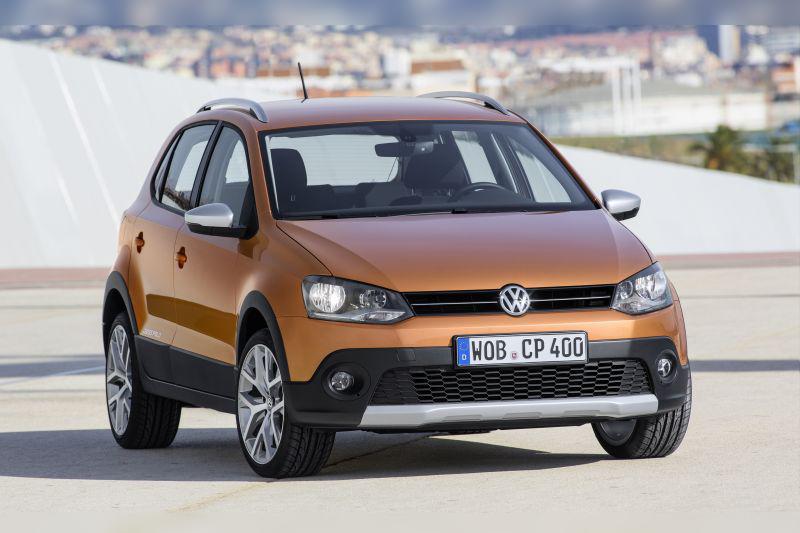
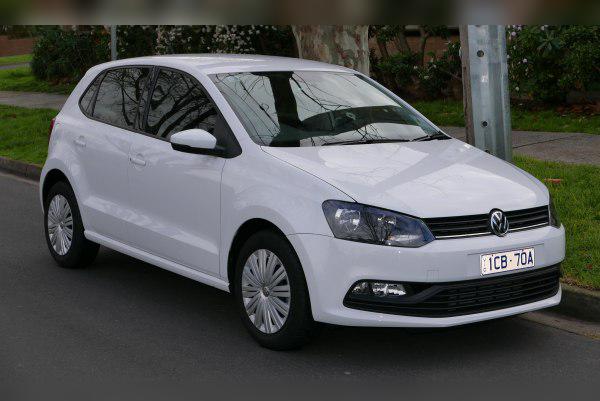
It was primarily installed in the VW Polo V (facelift, model 6C) from 2014 onwards, as well as in the “crossover” variant CrossPolo. This engine is important because it represents an attempt by engineers to offer the performance of the 1.6 TDI engine with lower fuel consumption and reduced emissions, using modular technology. Although three cylinders are often met with skepticism, this engine is technologically very advanced.
Technical specifications
| Characteristic | Value |
|---|---|
| Engine displacement | 1422 ccm (1.4 L) |
| Configuration | Inline, 3 cylinders |
| Power | 77 kW (105 HP) @ 3500–3750 rpm |
| Torque | 250 Nm @ 1750–2500 rpm |
| Engine code | CYZA |
| Injection system | Common Rail (Direct injection) |
| Induction | Variable-geometry turbocharger + intercooler |
| Engine block | Aluminium alloy |
| Emission standard | Euro 6 |
Reliability and maintenance
Timing belt or chain?
The 1.4 TDI (CYZA) engine uses a timing belt to drive the camshafts. This is important because the belt requires regular, preventive replacement to avoid catastrophic engine failure (piston-to-valve contact).
Major service and intervals
Factory intervals for timing belt replacement are often optimistically set at 210,000 km. However, workshop experience recommends replacement at a maximum of 150,000–160,000 km or every 5 to 7 years (whichever comes first). The reason for shortening the interval is not the belt itself, but the accompanying components such as the water pump and rollers, which often cannot withstand the factory maximum.
Oil: quantity, grade and consumption
This engine takes approximately 3.8 to 4.2 liters of engine oil (always check with the dipstick while filling). You must use oil that meets the VW 507.00 specification (Low SAPS due to the DPF), most commonly in 5W-30 or 0W-30 grades.
As for oil consumption, modern TDI engines, including this one, can consume a small amount of oil between services, especially if driven more aggressively on the motorway. Consumption of up to 0.5 liters per 10,000 km is considered completely acceptable and normal. If the engine needs a liter per 1,000 km, this indicates a problem with the turbocharger or piston rings.
Injector (nozzle) longevity
The injection system uses advanced Common Rail injectors (often Delphi on these smaller engines). They are generally reliable and can last over 200,000–250,000 km with good-quality fuel. Symptoms of bad injectors include rough running (especially noticeable on 3-cylinder engines), increased smoke under acceleration and harder starting. They are sensitive to poor-quality diesel, so regular fuel filter replacement is recommended.
Most common failures
In addition to standard wear-and-tear parts, owners of CYZA engines most often encounter:
- Water pump failures: These engines have a variable water pump (it can cut off flow for faster warm-up). The mechanism often seizes, leading to engine overheating. This is a critical failure.
- Coolant leaks: Often occur at the thermostat housing or the pump itself.
- EGR valve: Due to exhaust gas recirculation, the valve gets clogged with soot, which causes the engine to “choke” and triggers the “Check Engine” light.
Specific parts (costs)
Dual-mass flywheel
Yes, the 105 HP (CYZA) variant always comes with a dual-mass flywheel. Since the engine has 3 cylinders, it naturally produces more vibrations than a 4-cylinder engine. The dual-mass flywheel is necessary here to “smooth out” those vibrations before they reach the gearbox and cabin. Its replacement is not cheap (it falls into the “expensive” or “very expensive” category, depending on the market and brand of the part).
Turbocharger
The engine uses a single variable-geometry turbocharger (VGT). The turbo’s lifespan is directly linked to regular oil changes and driving style (cooling the turbo after hard driving). With proper maintenance, the turbo lasts as long as the engine. Problems can arise with the variable-geometry “vanes”, which can get clogged with soot if the car is driven gently all the time (“lugging” the engine), leading to safe mode.
DPF, EGR and AdBlue
As a Euro 6 engine, it is equipped with both a DPF filter and an EGR valve. Both systems are prone to clogging if the car is driven exclusively in stop-and-go city traffic.
Regarding the AdBlue system: Most early Euro 6 1.4 TDI engines in the Polo (2014–2015) use an LNT (Lean NOx Trap) catalyst and do not have an AdBlue tank that the user refills. However, later revisions or specific markets may have an SCR system with AdBlue fluid. Check the filler area: if there is no smaller blue cap next to the diesel cap, you don’t have AdBlue, which is one less maintenance concern.
Fuel consumption and performance
Real-world fuel consumption
This is the strongest selling point of this engine. In city driving, real consumption ranges between 5.0 and 6.5 l/100 km, depending on traffic and season. On open roads, at speeds of 80–90 km/h, consumption easily drops below 4.0 l/100 km. The combined average for most drivers is around 5 liters.
Is the engine “lazy”?
Absolutely not. With 250 Nm of torque available from just 1750 rpm, this engine in the light Polo body (around 1150 kg) feels very lively. In-gear acceleration is excellent and overtaking is not a problem. The sense of pull (“kick”) is stronger than in naturally aspirated 1.4 or 1.6-liter petrol engines.
Behaviour on the motorway
This engine copes quite well on the motorway. At 130 km/h in fifth gear (with the manual gearbox), the engine spins at around 2400–2600 rpm (depending on the specific gearbox ratios). This is a range where the engine is still economical and not too noisy, although the three-cylinder sound can be heard under heavier throttle.
Additional options and modifications
Remapping (Stage 1)
This engine has plenty of headroom. A Stage 1 remap can safely raise power to about 130–135 HP and torque to nearly 300 Nm. Still, be careful: the increased torque puts additional stress on the dual-mass flywheel and clutch, which are already under load due to the nature of a three-cylinder engine. If you decide to do this, only use reputable tuners.
Gearbox
Types of gearboxes
The 1.4 TDI (105 HP) most commonly comes with a 5-speed manual gearbox. There is also an option with a 7-speed DSG automatic gearbox (DQ200) with a dry clutch.
Gearbox failures and maintenance
- Manual gearbox: Very reliable. It is advisable to change the gearbox oil preventively at around 150,000–200,000 km, even though the manufacturer claims it is “lifetime”. The main expense here is the clutch kit with the dual-mass flywheel.
- DSG (DQ200): This gearbox is known for its sensitivity. The most common failures are worn clutch packs and failure of the mechatronic unit (the gearbox “brain”). Repairs are expensive (depending on the market, but expect a serious bill). The DSG does not have a classic dual-mass flywheel like the manual (it uses a different type of flywheel), but the clutch pack itself is a consumable item.
Buying used and conclusion
When buying a Polo with this engine, make sure to check the following:
- Noise when starting/stopping: A metallic knock or rattle indicates a worn dual-mass flywheel.
- Coolant: Check the level in the expansion tank. If it is below minimum or there are traces of dried coolant around the engine, suspect the water pump or thermostat.
- Diagnostics: Check the DPF status (ash and soot load) and injector corrections.
- Service history: Check whether the major service has been done and when.
Conclusion
The 1.4 TDI (CYZA) 105 HP engine is a small “beast”. It offers performance that exceeds expectations for this displacement, with ridiculously low fuel consumption. It is ideal for drivers who cover a lot of kilometres and want a compact car that can also handle motorway driving.
However, you must accept its downsides: rougher running (vibrations) and potentially higher maintenance costs (dual-mass flywheel, injectors, DPF) compared to simple petrol engines. If you buy a well-maintained example and service it regularly, it will serve you very well.
Was this content useful to you?
Your opinion helps us to improve the quality of the content.