CZCA, CPVB Engine
- Engine
- 1395 cm3
- Aspiration
- Turbocharger, Intercooler
- Fuel
- Petrol (Gasoline)
- Fuel injection system
- Direct injection
- Power
- 125 hp @ 5000-6000 rpm
- Torque
- 155 Nm @ 3800-4000 rpm
- Cylinders position
- Inline
- Oil capacity
- 4 l
# Vehicles powered by this engine
In short (TL;DR)
- Timing belt instead of chain: This is an engine from the EA211 generation, which means the main issue of its predecessor – timing chain failure – has been solved. It now uses a reliable belt.
- Excellent power-to-economy ratio: With 125 hp in a light body like the Polo Sedan, this engine delivers sporty performance with low fuel consumption.
- Coolant leaks: The most common problem is the thermostat housing and water pump (module), which can start leaking relatively early.
- Direct injection: Requires high-quality fuel and regular spark plug replacement. Possible carbon buildup on intake valves at higher mileage.
- Gearbox (DSG vs Manual): Manual gearboxes are very reliable. If you choose an automatic (7-speed DSG, dry clutch), pay attention to jerking when moving off – repairs are expensive.
- Recommendation: One of the best small petrol engines from the VW Group in the last 10 years. Highly recommended.
Contents
- Introduction and engine significance
- Technical specifications
- Reliability and maintenance
- Specific parts and costs
- Fuel consumption and performance
- Additional options (LPG and tuning)
- Gearbox: Manual and DSG
- Buying used and conclusion
1.4 TSI (CZCA, CPVB) – Experiences, issues and maintenance
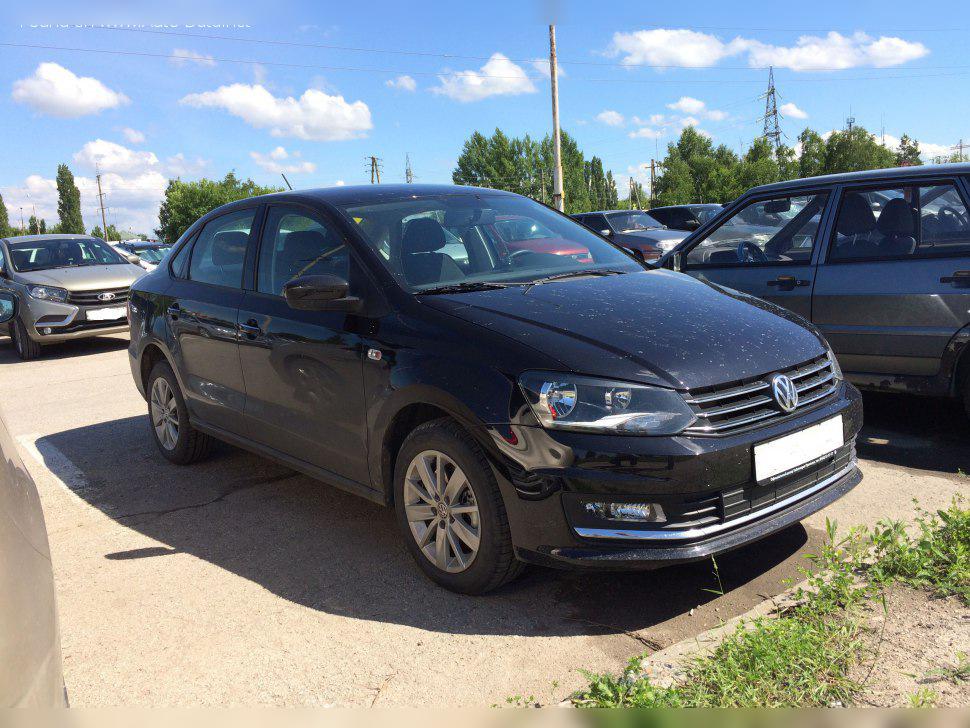
The engines with codes CZCA and CPVB belong to Volkswagen’s modern EA211 engine family. This is a key piece of information because it means this unit has nothing to do with the notorious EA111 engines (which had timing chain problems). Installed in the VW Polo V Sedan (facelift), but also in the Golf 7, Škoda Rapid and Octavia, this 125 hp engine represents the “golden middle” in the petrol lineup.
It is an aluminium block with a turbocharger and direct injection. In the Polo Sedan, this engine transforms the car from a simple means of transport into a rather dynamic small sedan, offering agility that naturally aspirated 1.6-litre engines could never achieve. For the European market, this is one of the most desirable petrol engines in the used-car segment.
Technical specifications
| Characteristic | Data |
|---|---|
| Displacement | 1395 cc (1.4 litres) |
| Power | 92 kW (125 hp) at 5000-6000 rpm |
| Torque | 155 Nm at 3800-4000 rpm* |
| Engine codes | CZCA, CPVB |
| Number of cylinders / valves | 4 cylinders / 16 valves (DOHC) |
| Injection type | TSI – Direct petrol injection |
| Valve timing drive | Timing belt |
| Turbo | Yes, single turbo with intercooler (water-cooled) |
*Note: The standard specification for the 125 hp CZCA engine is 200 Nm. This is a specific version for certain markets with poorer fuel quality, where the software may be limited, but mechanically the potential is 200 Nm.
Reliability and maintenance
Belt or chain?
The most important question for every used VW petrol buyer: Does it have a chain? Fortunately, the CZCA and CPVB engines use a timing belt. Volkswagen learned its lesson with the previous generation and switched to a belt, which has proven to be extremely reliable. According to factory data, the first inspection is at 210,000 km, but in practice and according to experienced mechanics, the major service should be done between 160,000 km and 180,000 km, or after 6–7 years of age, whichever comes first.
Most common failures
Although very reliable, this engine has a few characteristic weak points:
- Thermostat housing and water pump: This is the “Achilles’ heel” of EA211 engines. The housing is plastic and contains two thermostats. Coolant often starts leaking at the joints or the plastic cracks. The symptom is a dropping coolant level or traces of crystallised coolant on the engine block.
- Turbo actuator (wastegate): The electric actuator that regulates turbo pressure can seize. The symptom is the “Check Engine” light, loss of power (safe mode) and a fault code related to boost pressure. Often the entire linkage assembly has to be replaced.
- Carbon buildup: Due to direct injection, fuel does not wash the intake valves. Over time, carbon deposits build up and can restrict airflow. Symptoms are rough idle and a slight loss of power at higher mileage (over 150,000 km).
Oil and spark plugs
The engine takes approximately 4.0 to 4.5 litres of oil (depending on sump and filter size). The recommended grade is 5W-30 (VW 504.00/507.00 standard) for most European conditions. For newer vehicles and colder markets, 0W-20 (VW 508.00) is also used, but for a used car with some mileage, 5W-30 is the safer choice.
As for oil consumption, it is drastically reduced compared to older TSI engines. Still, consumption of 0.5 to 0.8 litres per 10,000 km is considered completely normal and acceptable. If it uses a litre per 2,000 km, this points to an issue with piston rings or valve stem seals.
Spark plugs are critical for TSI engines. They should be replaced every 60,000 km or 4 years. Always use quality iridium/platinum plugs (NGK or Bosch recommended), because a bad plug can damage the coils (there is one coil per cylinder).
Specific parts (costs)
Dual-mass flywheel: Yes, this 125 hp / 200 Nm version of the engine most often comes with a dual-mass flywheel, especially when paired with a 6-speed manual gearbox or DSG. Its lifespan is usually around 150,000–200,000 km, depending on driving style. Replacing the clutch kit together with the flywheel is expensive (depends on the market, but expect a serious cost).
Fuel injection system: Uses high-pressure injectors (direct injection). The injectors are generally reliable but sensitive to poor fuel quality. Replacing a single injector is expensive. They are not as problematic as diesel injectors, but they do require clean fuel.
Turbocharger: The engine has a single turbocharger integrated with the exhaust manifold (on some versions). Its service life is long, often over 200,000 km with regular oil changes. The most common issue is not the turbo itself, but the aforementioned actuator (electronics).
EGR and DPF/GPF:
- DPF: This is a petrol engine, so it does not have a classic DPF filter like diesels. However, models produced after 2017/2018 (Euro 6d-TEMP) may have a GPF (Gasoline Particulate Filter). The 2014 Polo Sedan (facelift) most likely DOES NOT HAVE a GPF, which is good news for maintenance.
- EGR: There is an exhaust gas recirculation system, but it rarely clogs compared to diesels.
- AdBlue: This engine does not have an AdBlue system.
Fuel consumption and performance
In the VW Polo Sedan body, this engine behaves excellently. With a vehicle weight of around 1,100–1,200 kg, 125 hp is far from little.
Is the engine sluggish? Absolutely not. Thanks to the turbo, maximum torque is available from as low as 1,400 rpm. The car pulls linearly and strongly. 0–100 km/h takes about 9 seconds, which is more than enough for a small city sedan.
Real-world fuel consumption:
- City driving: Expect between 6.5 and 8.5 l/100 km, depending on traffic and how heavy your right foot is. The start-stop system helps reduce consumption.
- Open road: This is where the engine shines. Consumption drops to 4.5 to 5.5 l/100 km.
- Motorway: At 130 km/h, the engine (in 6th gear or 7th in the DSG) spins at about 2,800–3,000 rpm. Consumption is then around 6.0–6.5 l/100 km. The engine is quiet and refined for cruising.
Additional options and modifications
LPG conversion
Is it possible? Yes, but it is not recommended and not cheap. Since this is a direct-injection engine (injectors spray directly into the cylinder), a special system is required. There are two options:
1. A system that uses 10–20% petrol to cool the petrol injectors (cheaper option, but still expensive).
2. A liquid LPG injection system using the petrol injectors (very expensive, often over 1,000 EUR).
Given the low petrol consumption, the cost-effectiveness of LPG on the 1.4 TSI is questionable unless you cover very high mileage (over 30,000 km per year).
Chip tuning (Stage 1)
This engine responds very well to remapping. A safe “Stage 1” raises power to about 145–150 hp and torque to 250 Nm. The engine can handle this mechanically with ease, but keep in mind that higher torque will wear the clutch and flywheel faster.
Gearbox
With this engine in the Polo Sedan, there are two options:
- Manual gearbox (6-speed): Very precise and easy to operate. Failures are rare and mostly limited to normal clutch wear. An oil change in the gearbox is recommended every 100,000 km, even though VW claims it is “lifetime filled”.
- DSG automatic gearbox (DQ200 – 7-speed): This is a dual-clutch gearbox with dry clutches.
- Failures: This gearbox is more sensitive. The most common problems are worn clutch packs, which manifest as shuddering when moving off or when shifting from 1st to 2nd gear. Also, the mechatronic unit (the gearbox brain) can fail, which is an expensive repair.
- Maintenance: Although VW claims the oil is “lifetime”, experts recommend changing the oil in the mechatronic and gear section every 60,000 km to extend its life.
- Flywheel: DSG models have a specific dual-mass flywheel which is also quite expensive to replace when the time comes.
Buying used and conclusion
Before buying a used Polo with the 1.4 TSI (CZCA/CPVB) engine, make sure to check:
- Visual engine inspection: Look for traces of pink coolant around the plastic housing on the right-hand side of the engine (viewed from the front).
- Noise at startup: Even though it does not have a chain, the engine should run smoothly immediately after starting. Any knocking or rough running can indicate problems with variable valve timing or injectors.
- Test drive: If it’s a DSG, the car must move off smoothly without jerks when you release the brake. If it’s a manual, listen for a “clicking” noise when switching the engine off (a sign of a worn flywheel).
Final verdict
The 1.4 TSI 125 hp engine is a fantastic choice for the Polo Sedan. It offers the performance of much larger cars with maintenance costs of a small city car (apart from potential water pump issues). If you are choosing between this engine and the old naturally aspirated 1.6, the 1.4 TSI is superior in every aspect of driving. For automatic lovers, the DSG is great while it works, but you should have some money set aside for possible clutch or mechatronic repairs.
Was this content useful to you?
Your opinion helps us to improve the quality of the content.