EA888 / DAJA Engine
- Engine
- 1798 cm3
- Aspiration
- Turbocharger, Intercooler
- Fuel
- Petrol (Gasoline)
- Fuel injection system
- Direct injection and Multi-port manifold injection
- Power
- 192 hp
- Torque
- 320 Nm
- Cylinders
- 4
- Valves
- 16, 4 per cylinder
- Cylinders position
- Inline
- Valvetrain
- DOHC
- Oil capacity
- 5.2 l
- Systems
- Start & Stop System
# Vehicles powered by this engine
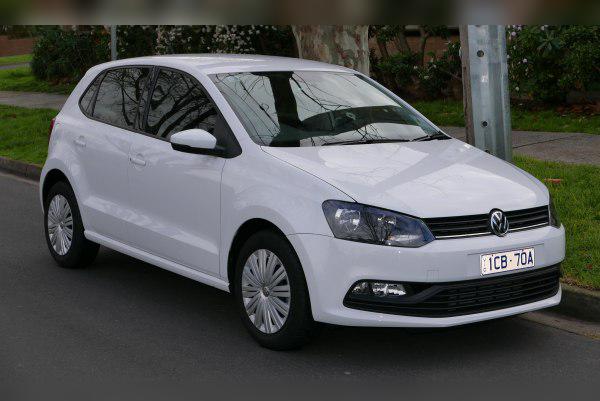
1.8 TSI EA888 (DAJA) – Experiences, problems, fuel consumption and buying tips
The Volkswagen Polo V GTI (facelift) with the 1.8 TSI engine is one of the most interesting “pocket rockets” on the used car market. This engine, code DAJA (part of the EA888 Gen 3 family), brought exactly what the previous 1.4 TSI engine was missing: displacement, reliability and huge tuning potential. As an experienced editor, I’ll tell you right away – this is an engine that puts a smile on your face, but it requires disciplined maintenance.
Key points in short (TL;DR)
- Performance: With 192 hp in a Polo body, this is an extremely fast car. Torque is brutal for this class.
- Progress: The EA888 Gen 3 solved the infamous excessive oil consumption issue that ruined the reputation of Gen 2 engines (1.8 and 2.0 TSI up to 2012/13).
- Achilles’ heel: The thermostat and water pump are in a single module that is prone to leaking.
- Gearbox: The manual gearbox can handle all 320 Nm, while the DSG (DQ200) is electronically limited to 250 Nm due to its “dry” clutches.
- Recommendation: An excellent choice for enthusiasts, far more reliable than its predecessor (1.4 Twincharger), but not cheap to maintain.
Contents
- Technical specifications
- Reliability and maintenance
- Specific parts (costs)
- Fuel consumption and performance
- Additional options and modifications
- Gearbox and drivetrain
- Buying used and conclusion
Technical specifications
| Displacement | 1798 cc (1.8 L) |
| Power | 141 kW (192 hp) at 4200–6200 rpm |
| Torque | 320 Nm (Manual) / 250 Nm (DSG) |
| Engine code | DAJA (EA888 Gen 3) |
| Injection type | Combined: Direct (FSI) + Indirect (MPI) |
| Forced induction | Turbocharger (IHI IS12) + Intercooler |
Reliability and maintenance
Timing chain or belt?
The 1.8 TSI (DAJA) engine uses a timing chain for valve timing. This is the third generation (Gen 3) of EA888 engines, where the chain system has been significantly improved compared to the problematic older versions. Still, the chain is not eternal. Chain stretch can occur, usually after 150,000 km or earlier due to poor maintenance (infrequent oil changes). The symptom is a characteristic rattling on cold start that lasts longer than 2–3 seconds.
Most common failures
Although more reliable than its predecessor, this engine has its weak spots:
- Thermostat and water pump module: The housing is made of plastic that deforms over time due to heat cycles, which leads to coolant leaks. This is the most common failure.
- PCV valve (oil separator): When the membrane tears, the engine starts running unevenly, “whistles”, and oil consumption increases.
- Turbo actuator: It can stick or develop play, which leads to loss of power or the EPC light coming on.
Major and minor service
Since the engine has a chain, a classic “major service” (as with a belt) is not done at a fixed interval; instead, the chain is replaced as needed (when it stretches). However, it is recommended to check and, if necessary, replace the auxiliary (serpentine) belt, tensioners and water pump at around 100,000–120,000 km.
Minor service (oil and filter change) is crucial for the longevity of the chain and turbo. The factory interval of 30,000 km (LongLife) is deadly for this engine in city driving. Recommendation: Change the oil every 10,000 km or once a year.
Oil: quantity and consumption
The engine takes approximately 5.7 liters of engine oil. The recommended grade is usually 5W-30 (VW 504.00/507.00 standard), although 0W-20 is recommended for some markets in newer model years (check the filler cap or owner’s manual, but 5W-30 is the golden standard for protection).
As for oil consumption: Gen 3 engines solved the issue of bad piston rings. Still, it is normal for a turbo petrol engine of this output to consume 0.3 to 0.5 liters per 3,000–5,000 km if driven aggressively. If it consumes a liter per 1,000 km, the engine is due for an overhaul, but that is rare with this model (DAJA).
Spark plugs
Given the high performance, spark plugs on this engine should be replaced every 60,000 km. If the car is chipped (Stage 1), this interval should be halved to 30,000 km and “colder” plugs should be used.
Specific parts (costs)
Dual mass flywheel
Yes, this engine has a dual mass flywheel, regardless of whether it is paired with a manual or automatic gearbox. Its role is to dampen engine vibrations. Replacement is expensive (varies by market), and failure symptoms are knocking when switching the engine off and vibrations in the clutch pedal.
Fuel injection system
This is one of the best features of the EA888 Gen 3 engines. It uses combined injection:
1. Direct (FSI) – for high performance and efficiency.
2. Indirect (MPI) – into the intake manifold, under low load.
This matters because the MPI injectors “wash” the valves with petrol, so this engine does not suffer from carbon build-up on the intake valves like older FSI engines. The injectors are generally reliable.
Turbocharger
The engine uses a single IHI IS12 turbocharger (or an IS20 variant depending on specification, but the Polo usually has the smaller turbo for quicker response). Service life is long (over 200,000 km) with regular oil changes and proper cooldown after spirited driving.
EGR and DPF/GPF
This engine (model years around 2014–2017) usually does not have a GPF (gasoline particulate filter) – those came later. Also, there is no classic, clog-prone EGR valve as a separate component; exhaust gas recirculation is handled via variable valve timing (VVT). So there are fewer emissions-related worries than with diesels.
AdBlue
No, this is a petrol engine and does not have an AdBlue system.
Fuel consumption and performance
Real-world fuel consumption
- City driving: Expect between 8.5 and 11 l/100 km. In heavy traffic and with a heavy right foot, it easily goes over 12 l/100 km.
- Highway / open road: It can go down to 6.0–7.0 l/100 km with moderate driving.
- Average: The real long-term average for most drivers is around 8–9 l/100 km.
Is the engine “lazy”?
Absolutely not. The Polo V is a light car (around 1270 kg), and 192 hp and 320 Nm make it extremely agile. Throttle response is instant, and in-gear acceleration is fantastic. This is a true hot hatch.
Behavior on the motorway
The engine is very refined. At 130 km/h in top gear (6th with the manual or 7th with the DSG), the engine spins at around 2,600–2,800 rpm. There is plenty of power for overtaking without the need to downshift.
Additional options and modifications
LPG conversion
Installing LPG is possible but very expensive and complicated. Due to direct injection, a special system (“Direct Injection LPG”) is required, which also uses a small amount of petrol while running on gas (to cool the petrol injectors), or an even more expensive liquid LPG injection system. Considering the nature of the GTI model and the already small boot (the battery is in the back on GTI models for better weight balance), LPG conversion is not recommended. Cost-effectiveness is questionable.
Chipping (tuning)
This engine is a tuner’s dream. A “Stage 1” remap safely raises power to 230–245 hp and torque to over 350–380 Nm.
IMPORTANT WARNING FOR DSG: If you have the automatic, be careful. The DQ200 gearbox does not tolerate high torque well. For serious tuning of DSG models, the gearbox (TCU) also needs to be remapped to increase clutch pressure, but that shortens gearbox life.
Gearbox
Available gearboxes
Two gearboxes were fitted to the Polo GTI 1.8 TSI, and the difference is crucial:
- 6-speed manual: Robust, can handle the full 320 Nm of torque that the engine produces from the factory.
- 7-speed DSG (DQ200): Automatic dual-clutch gearbox with dry clutches. In this version, the engine is factory “detuned” to 250 Nm to protect the gearbox.
Most common gearbox issues
- Manual: Generally reliable. The clutch wears faster if the car is constantly launched hard from traffic lights. Replacing the clutch kit is a regular wear-and-tear item.
- DSG (DQ200): This is the weaker point. It is known for failures of the mechatronics unit (hydraulic control module) and premature clutch pack wear (symptoms: shuddering when taking off, jerks when shifting). Avoid “creeping” in traffic without fully pressing the brake pedal.
Gearbox servicing
- Manual: Oil should be changed preventively at 100,000 km (even though VW says it is “lifetime”).
- DSG DQ200: Officially, VW says the oil does not need changing (dry clutch, oil is only in the gears and mechatronics). Unofficial mechanic recommendation: Change the oil in the mechatronics and gearbox section every 60,000 km to extend service life, even though the process is more complicated.
Buying used and conclusion
When buying a Polo GTI with this engine, make sure to check:
- Coolant: Look for signs of leaks under the intake manifold (thermostat module). The level in the expansion tank must be stable.
- Timing chain noise: Listen to a cold start. If it rattles like metal on metal for more than a couple of seconds, walk away or negotiate the price to cover chain replacement (very expensive).
- Turbo: Check that the car pulls smoothly and linearly without hesitation.
- Gearbox: If it’s a DSG, test it in traffic and on an incline. There must be no jerking or hesitation.
Conclusion: The VW Polo GTI 1.8 TSI is a fantastic car. The DAJA engine is powerful, technologically advanced and far more reliable than the old 1.4 TSI engines. The manual gearbox is the safer option for those who want performance and lower running costs, while the DSG is more comfortable but riskier. Maintenance is not as cheap as on a regular 1.0 Polo, but the performance you get absolutely justifies it.
Was this content useful to you?
Your opinion helps us to improve the quality of the content.