CLPA Engine
- Engine
- 1398 cm3
- Aspiration
- Naturally aspirated engine
- Fuel
- Petrol (Gasoline)
- Fuel injection system
- Multi-port manifold injection
- Power
- 86 hp @ 5000 rpm
- Torque
- 132 Nm @ 3600 rpm
- Cylinders
- 4
- Valves
- 16, 4 per cylinder
- Cylinders position
- Inline
- Valvetrain
- DOHC
- Oil capacity
- 3.2 l
# Vehicles powered by this engine

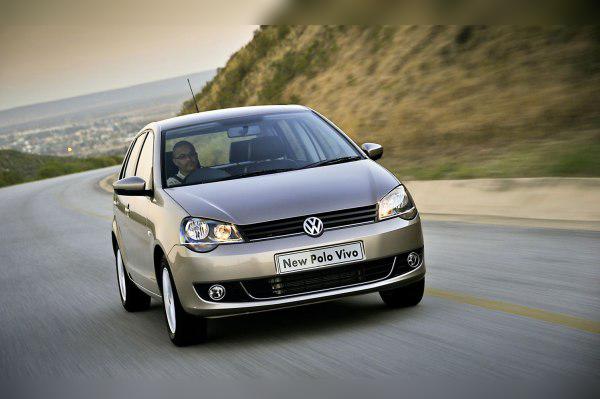
CLPA 1.4 16v (86 HP) – Experiences, problems, fuel consumption and buying advice
Key points (TL;DR)
- Engine type: Classic naturally aspirated petrol engine, simple construction (MPI).
- Reliability: Very high. This is an “old-school” engine that tolerates a lot, and repairs are cheap.
- Main advantage: Ideal candidate for LPG (autogas) conversion and cheap regular maintenance.
- Main drawback: Lack of power on open roads and increased noise at speeds above 120 km/h.
- Gearboxes: Comes with a reliable manual gearbox or a classic Tiptronic automatic (not the problematic DSG).
- Recommendation: Excellent choice for city driving, beginner drivers or as a second family car.
Contents
Introduction and application
The engine with the code CLPA belongs to Volkswagen’s proven EA111 family of naturally aspirated petrol engines. With a displacement of 1.4 litres and an output of 86 HP, this unit is not built for racing, but for long-term and economical use. It is primarily installed in the Volkswagen Polo Vivo series (generations I and II), a model specifically developed as a robust, budget version of the Polo for markets with poorer roads and variable fuel quality.
Its simplicity is its biggest asset. In a world of complicated turbo engines, the CLPA stands as a bastion of the “old guard” – no direct injection, no turbo, no complex exhaust after-treatment systems, which makes it a favourite among drivers who want to avoid expensive servicing.
Technical specifications
| Parameter | Value |
|---|---|
| Engine displacement | 1398 cc |
| Power | 63 kW (86 HP) |
| Torque | 132 Nm at 3800 rpm |
| Engine code | CLPA |
| Injection type | MPI (Multi-point indirect injection) |
| Induction | Naturally aspirated |
Reliability, maintenance and failures
Timing system: Belt or chain?
The CLPA engine uses a timing belt to drive the camshafts. This is an important distinction because some related engines from the VW group (such as the 1.2 TSI or older 1.4 FSI) had issues with timing chains. On CLPA engines, the belt system is very reliable.
Major service
Although the manufacturer often states longer intervals, in practice the major service (replacement of timing belt, tensioner, water pump and auxiliary belt) is best done every 90,000 to 120,000 km or every 5 to 6 years, whichever comes first. A snapped belt on this engine leads to piston-to-valve contact, which is a failure that often exceeds the value of a used car.
Oil: Capacity and consumption
The sump holds between 3.2 and 3.6 litres of oil (depending on filter size and draining method). The recommended grade is 5W-40 or 5W-30 (VW 502.00 standard). These engines are known to “drink” a bit of oil, especially if driven at high revs on the motorway. Consumption of up to 0.5 litres per 1000 km is considered acceptable by factory standards, although in practice on a healthy engine it is much less (around 0.5 litres between services).
Most common failures
Although robust, the CLPA is not immune to problems:
- Ignition coils: A common issue on VW petrol engines. Symptoms are rough running, jerking and the “Check Engine” light. Fortunately, replacement is simple and not expensive (depends on the market).
- Throttle body: Due to recirculation of oil vapours, the throttle body can get dirty. Symptoms are fluctuating idle or stalling when stopping at traffic lights. Cleaning solves the problem in 90% of cases.
- Coolant temperature sensor: If the temperature gauge “goes crazy” or the engine is hard to start when hot/cold, this is a common culprit.
- Hydraulic tappets: At higher mileages you may hear ticking/knocking when the engine is cold. If the noise disappears once the engine warms up, it is generally harmless, but indicates poor oil quality or irregular oil changes.
Spark plugs
Spark plugs should be replaced every 40,000 to 60,000 km. It is recommended to use quality plugs (NGK or Bosch) to protect the ignition coils.
Specific parts and costs
Dual-mass flywheel and clutch
Good news: This engine does NOT have a dual-mass flywheel. It uses a classic solid flywheel. This means that clutch kit replacement is significantly cheaper than on diesels or more powerful turbo petrol engines. The clutch kit price falls into the “not expensive” category.
Fuel injection system
The engine uses an MPI (Multi Point Injection) system. The injectors are extremely durable and rarely cause problems. They are not as sensitive to fuel quality as the injectors on TSI (direct injection) engines.
Turbo, DPF, EGR, AdBlue
- Turbo: None. One less thing to worry about.
- DPF filter: None (this is a petrol engine).
- AdBlue: None.
- EGR valve: Many versions of this 1.4 engine have an EGR valve for emissions. It can get clogged with soot, which shows up as reduced pulling power and a check engine light. Cleaning is possible, and even replacement is not excessively expensive (depends on the market).
Fuel consumption and performance
Real-world fuel consumption
Don’t expect miracles just because the engine has a small displacement.
- City driving: Realistically expect between 7.5 and 9.0 l/100 km. If traffic is heavy and the A/C is on, it can go up to 10 litres. The engine has to rev to move the body, which increases consumption.
- Open road (rural highways): This is where it is most economical, using around 5.0 - 6.0 l/100 km at speeds of 80–90 km/h.
- Motorway (130 km/h): Consumption rises to around 7.0 - 8.0 l/100 km due to high revs and air resistance.
Is the engine “sluggish”?
For the weight of the Polo Vivo (around 1100 kg), 86 HP is enough for city and suburban driving. However, if you load the car with 4 passengers and luggage, you will feel the lack of power, especially on uphill sections. Overtaking on rural highways requires planning and shifting down (often from 5th to 3rd gear) to get the most out of the 132 Nm of torque.
Behaviour on the motorway
This is not a motorway cruiser. At 130 km/h in fifth gear the engine spins at about 3800 to 4000 rpm. That creates noise in the cabin and increases fuel consumption. It can maintain that speed, but it’s not in its comfort zone.
Additional options and modifications
LPG conversion
Yes, absolutely. The CLPA 1.4 engine is an ideal candidate for conversion to LPG (autogas). Since it has indirect injection and hydraulic valve lifters (self-adjusting), it handles LPG well. Installation is simple, and the system used is the standard sequential type, which is the cheapest to install and maintain. With LPG, running costs drop dramatically.
Remapping (Stage 1)
On naturally aspirated engines like this one, remapping makes no economic sense. The power gain would be negligible (maybe 3 to 5 HP), which you won’t even feel in real driving. It’s better to invest that money in quality tyres or regular servicing.
Gearbox
Manual gearbox
This engine usually comes with a 5-speed manual gearbox. It is very precise and easy to use. The most common issues are related to the gear selection mechanism (linkages can loosen over the years), but the gearbox itself is mechanically robust. The gearbox oil is “lifetime” from the factory, but it is recommended to change it every 150,000 km for easier shifting in winter.
Automatic gearbox (Tiptronic)
On Polo Vivo models, the automatic option is usually Tiptronic (a classic automatic with a hydraulic torque converter, often made by Aisin), and NOT the DSG dual-clutch gearbox used in European models of that generation. This is good news for used buyers. Classic automatics are slower to shift and slightly increase fuel consumption (by about 1 litre), but they are more reliable and cheaper to repair than DSG units. Automatic maintenance: Oil and filter changes in the automatic gearbox are mandatory every 60,000 km. If this is neglected, the gearbox will start to “jerk” when changing gears, which leads to an expensive overhaul.
Buying used and conclusion
Before buying a car with a CLPA engine, be sure to check:
- Noise on cold start: Listen for loud knocking (pistons) or rattling (tappets). Light ticking for the first few seconds is OK, but if it lasts longer, walk away.
- Oil filler cap: Remove the cap and check for “mayonnaise” (white emulsion). This can mean coolant mixing with oil or just condensation from short trips, but be cautious.
- Idle speed: The engine should idle smoothly. If the revs fluctuate, the throttle body is probably dirty or there is a bad coil/spark plug.
Conclusion: The CLPA 1.4 86 HP engine is an excellent choice for drivers looking for simplicity and low maintenance costs. It’s not fast, it’s not particularly quiet on the motorway, but it will serve you faithfully for years with minimal investment. It is especially recommended if you plan to install LPG or need a reliable car for city traffic.
Was this content useful to you?
Your opinion helps us to improve the quality of the content.