BGP, BGQ Engine
- Engine
- 2480 cm3
- Aspiration
- Naturally aspirated engine
- Fuel
- Petrol (Gasoline)
- Fuel injection system
- Multi-port manifold injection
- Power
- 150 hp @ 5000 rpm
- Torque
- 228 Nm @ 3750 rpm
- Cylinders
- 5
- Valves
- 20, 4 per cylinder
- Cylinders position
- Inline
- Valvetrain
- DOHC
- Oil capacity
- 5.5 l
- Coolant
- 9.5 l
# Vehicles powered by this engine
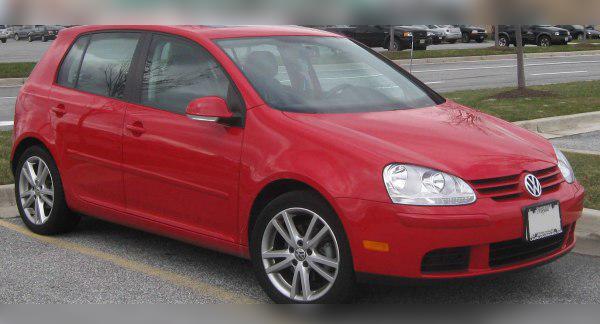
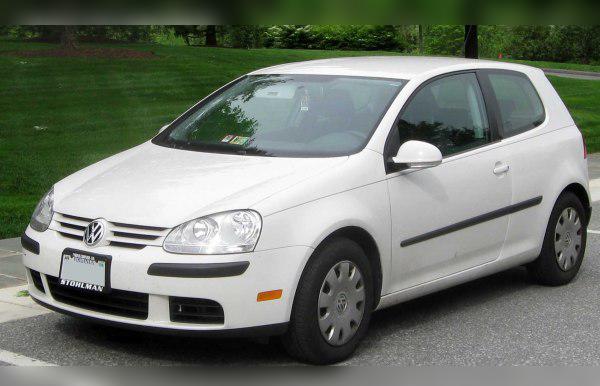
VW 2.5 R5 (BGP, BGQ) – Experiences, problems, fuel consumption and used car buying tips
Key points (TL;DR)
- Sound and character: The inline five-cylinder (R5) offers a unique sound and excellent low-end torque.
- Reliability: This is a classic naturally aspirated engine – no turbo, no high-pressure direct injection, which makes it long-lasting.
- Timing chain: Uses a timing chain located at the rear of the engine (next to the gearbox). If something goes wrong, repairs are expensive (the engine has to be removed).
- Fuel consumption: Quite thirsty, especially in city driving. It’s not an economy champion.
- PCV valve: Common issue with the crankcase ventilation membrane, which is integrated into the valve cover.
- LPG: An excellent candidate for LPG conversion thanks to its indirect injection.
- Recommendation: Ideal for drivers who want simple mechanics and great sound, and are willing to pay a bit more for fuel.
Contents
Introduction and engine applications
The engines with codes BGP and BGQ are a specific, “American” story in the Volkswagen world. They are 2.5‑liter inline five-cylinder (R5) engines developed primarily for the North American market to replace the old 2.0 8v and offer an alternative to larger V6 engines. They were installed in the Volkswagen Rabbit (Mk5 Golf), as well as the Jetta and Beetle for those markets.
Unlike the European downsizing trend of that era (such as the 1.4 TSI), this engine relies on large displacement and simple construction. Although rare in Europe (mostly found in imported cars), it is appreciated among enthusiasts for its distinctive sound – it’s often called “half a Lamborghini V10”, which is not far from the truth technically, considering the cylinder layout.
Technical specifications
| Specification | Data |
|---|---|
| Engine displacement | 2480 cc |
| Configuration | Inline five-cylinder (R5) |
| Power | 110 kW (150 hp) at 5000 rpm |
| Torque | 228 Nm at 3750 rpm |
| Engine codes | BGP, BGQ |
| Injection type | MPI (Multi-point indirect injection) |
| Induction | Naturally aspirated |
| Number of valves | 20 (4 per cylinder) |
Reliability and maintenance
Does this engine have a timing belt or a chain?
VW 2.5 R5 engines (BGP/BGQ) use timing chains (two chains). The crucial thing to know is their position: they are located at the rear of the engine, between the engine and the gearbox. Although they were designed to last the “lifetime” of the engine, in practice that’s not always the case. If the chain stretches or the guides wear, replacement is extremely expensive and demanding because it requires removing the engine or gearbox. Still, on the 150 hp versions, chain issues are less common than on later revisions, provided the oil has been changed regularly.
What are the most common failures on this engine?
Although robust, the engine has several characteristic weak points:
- PCV valve (oil separator): The membrane inside the PCV valve often tears. Symptoms include rough idle (shaking), whistling noises and a check engine light. The problem is that the valve is integrated into the valve cover, so the entire cover often has to be replaced, which makes the repair more expensive.
- Vacuum pump: Oil leaks at the vacuum pump are almost standard. It is located near the gearbox and when it leaks, oil drips onto hot engine or gearbox parts. It can be resealed, but often needs replacement.
- Ignition coils: As with most VW petrol engines, coils can fail, causing the engine to run on four cylinders (misfire). It’s recommended to use quality replacements (e.g. NGK or Bosch).
- MAP sensor: A dirty sensor can lead to poor performance and increased fuel consumption.
At what mileage is the “major service” done?
Since the engine has a chain, the classic “major service” (timing belt replacement) does not exist. Instead, the condition of the serpentine belt and its tensioners is checked every 60,000 to 90,000 km. The timing chain is replaced only if there is rattling noise or diagnostics show timing deviation (usually after 200,000 km, but it depends on maintenance).
How many liters of oil does this engine take and which grade is recommended?
The sump holds about 5.7 to 6.0 liters of oil (always check the dipstick level after replacement). The recommended grade is 5W-40 or 5W-30, with mandatory compliance with VW standard VW 502.00. Thanks to the larger oil capacity, the engine is well protected thermally.
Does it consume oil between services?
This engine is not known for extreme oil consumption like TSI engines, but it’s not completely immune either. Consumption of up to 0.5 liters per 5,000 km is considered acceptable, especially on older cars. If it uses more, the cause is usually a leak at the vacuum pump or a PCV valve issue, and less often worn piston rings.
At what mileage should the spark plugs be replaced?
It is recommended to replace the spark plugs every 60,000 km to 80,000 km. Use iridium or platinum plugs according to factory specifications to ensure smooth running and optimal combustion.
Specific parts (costs)
Does this engine have a dual-mass flywheel?
This depends on the gearbox. Models with a manual gearbox usually have a dual-mass flywheel (DMF) to dampen the vibrations of the five-cylinder. Models with an automatic gearbox (Tiptronic) do not have a dual-mass flywheel; they use a torque converter instead.
What kind of injection system does it have and are the injectors problematic?
The injection system is indirect (Port Injection / MPI). This is great news for used car owners. The injectors are robust, they don’t get dirty as easily as on direct injection engines (FSI/TSI), and there is no carbon buildup on the intake valves. Injector failures are rare.
Does the engine have a turbocharger?
No. BGP and BGQ are naturally aspirated engines. They have no turbocharger, intercooler, or complex boost control systems. That means one (very expensive) worry less for the owner.
Does it have a DPF filter or EGR valve?
There is no DPF (Diesel Particulate Filter) because this is a petrol engine. In terms of emissions, the engine has a secondary air injection (SAI) system that helps heat up the catalytic converter. The secondary air pump can fail, which triggers a warning light, but does not drastically affect drivability. A classic EGR valve is often not present in the same way as on diesels, because exhaust gas recirculation is partly handled by variable valve timing, while the vacuum system and PCV play a similar role.
Does the engine use AdBlue?
No. AdBlue is used exclusively on newer generation diesel engines.
Fuel consumption and performance
What is the real fuel consumption in city driving?
To be honest – this engine likes to drink. In pure city stop‑and‑go driving, real-world consumption is between 11 and 14 liters per 100 km. In winter or with a heavy right foot, this figure easily goes higher. Large displacement takes its toll.
Is this engine “lazy” for the weight of the car?
Absolutely not. Although 150 hp on paper doesn’t sound impressive by today’s standards, the 228 Nm of torque is available relatively low and in a linear way. The engine has that “truck-like” pulling feel. For the VW Rabbit (Golf) body, the engine is more than adequate and provides a sense of power at all times, without needing high revs.
How does the engine behave on the highway and at what rpm does it cruise at 130 km/h?
On the highway the engine is confident and stable. It easily maintains speeds above legal limits. However, on models with the 5-speed manual gearbox, revs at 130 km/h can be somewhat higher (around 3,500 rpm), which increases noise and fuel consumption. Versions with the 6-speed automatic are more comfortable for cruising because they keep the revs lower.
Additional options and modifications
Is this engine suitable for LPG conversion?
Yes, this is one of the best engines for LPG in more modern VW bodies. Thanks to indirect injection (MPI), LPG installation is simple, cheaper (standard sequential system), and the engine handles LPG very well. Given the high petrol consumption, installing LPG makes a lot of economic sense.
How much power can you safely gain with a remap (Stage 1)?
Since this is a naturally aspirated engine, a remap does not bring dramatic gains like on turbo engines. With software optimization (Stage 1) you can gain about 10 to 15 hp and slightly better throttle response. Mapping is often done to eliminate a “flat spot” in mid‑range acceleration, but don’t expect miracles in performance.
Gearbox
Which gearboxes are used?
With BGP/BGQ engines in the Rabbit you most commonly get:
- 5-speed manual gearbox (code 04A).
- 6-speed automatic Tiptronic gearbox (code 09G, made by Aisin). Note: This is NOT a DSG gearbox.
What are the most common issues with the manual and with the automatic gearbox?
- Manual: Very reliable. Problems are mostly related to wear parts of the clutch and dual-mass flywheel.
- Automatic (Aisin 09G): This is a classic hydraulic automatic. Generally more reliable than early DSG gearboxes, but it has issues with the valve body if the oil is not changed. Symptoms are harsh shifts (especially from 1st to 2nd or when slowing down).
How much does clutch replacement cost?
For the manual gearbox, a clutch kit with dual-mass flywheel is a significant expense (it depends on the market, but it falls into the “expensive” category). It is recommended to replace the complete set (pressure plate, disc, release bearing, flywheel) so you don’t pay for labor twice.
At what mileage should the gearbox be serviced?
- Manual: VW often says the oil is “lifetime”, but it’s recommended to replace it every 100,000 km.
- Automatic: Mandatory oil and filter change every 60,000 km. Ignoring this will almost certainly lead to valve body failure, which is very expensive to repair.
Buying used and conclusion
Before buying a VW Rabbit with the 2.5 engine, pay attention to the following:
- Cold start: Listen to the engine at the first start. Any rattling, scraping or knocking from the rear of the engine (towards the cabin) indicates a chain problem. That’s a red flag to walk away or negotiate a big price reduction.
- Leaks: Inspect the engine from below and near the gearbox. An oily vacuum pump is common.
- Sound check: While the engine is idling, pull out the dipstick. If the engine starts running very poorly or you hear strong air suction, the PCV valve is probably OK. If there is no change or you hear a loud whistle while the dipstick is in, the PCV may be faulty.
- Automatic test drive: The gearbox should shift smoothly and almost imperceptibly. Any jerks, especially when the oil is hot, are a sign of trouble.
Conclusion: The VW 2.5 (BGP/BGQ) is an old-school engine. It is aimed at drivers who value reliability and sound more than low fuel consumption. If you want a car that can easily cover 300,000+ km with regular (but not overly complicated) maintenance and you plan to install LPG, this is an excellent choice. If your priority is low city fuel consumption, look for a TDI or a smaller TSI, but be prepared for more expensive turbo system repairs on those engines.
Was this content useful to you?
Your opinion helps us to improve the quality of the content.