CBDB, CJAA, CFHC Engine
- Engine
- 1968 cm3
- Aspiration
- Turbocharger, Intercooler
- Fuel
- Diesel
- Fuel injection system
- Diesel Commonrail
- Power
- 140 hp @ 4000 rpm
- Torque
- 320 Nm @ 1750 rpm
- Cylinders
- 4
- Valves
- 8, 2 per cylinder
- Cylinders position
- Inline
- Oil capacity
- 4.3 l
- Systems
- Particulate filter
# Vehicles powered by this engine
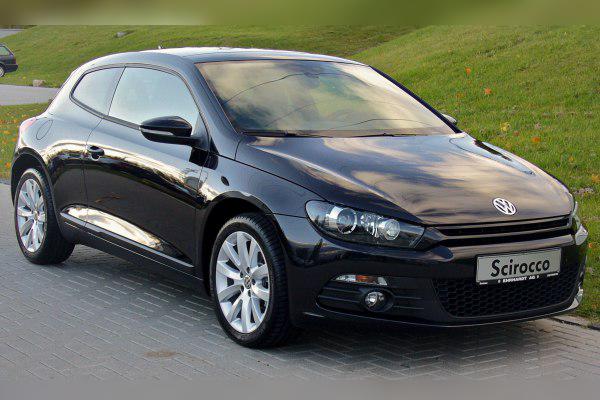
2.0 TDI (CBDB, CJAA, CFHC) in VW Scirocco III – Experiences, Problems, Fuel Consumption and Buying Used
Key points (TL;DR)
- Common Rail technology: These engine codes (CBDB, CJAA, CFHC) mark the switch to Common Rail injection, which means quieter operation and higher reliability compared to older “Pumpe-Düse” engines.
- Reliability: In general, these are very durable engines, capable of covering high mileage (over 300,000 km) with regular maintenance.
- Achilles’ heel: Pay attention to the EGR valve, the DPF filter (especially in city driving) and the intake manifold flaps (fault code P2015).
- Major service: The engine is driven by a timing belt, which should be replaced at 180,000–210,000 km or 5 years, but it’s recommended to shorten the interval.
- Gearbox: The 6-speed DSG (DQ250) is excellent but requires a strict oil change every 60,000 km. The manual gearbox is robust, but the dual-mass flywheel is a wear item on both types.
- Recommendation: An ideal balance between the sporty looks of the Scirocco and the fuel economy needed for daily driving.
Contents
- Introduction and characteristics
- Technical specifications
- Reliability, Maintenance and Failures
- Specific Parts and Costs
- Fuel Consumption, Performance and Modifications
- Gearbox: Manual and DSG
- Used Car Buying Tips and Conclusion
Introduction and characteristics
The third-generation Volkswagen Scirocco is a car you buy with your heart, but when you have a 2.0 TDI engine with 140 hp under the bonnet, it also becomes a rational choice. The engine codes CBDB, CJAA and CFHC are crucial here because they belong to the newer generation of diesels with a Common Rail injection system. This is a big deal because many issues that plagued the previous “Pumpe-Düse” (PD) engines have been resolved, such as cracked cylinder heads on the BKD series.
This engine in the Scirocco offers an excellent compromise – enough torque for dynamic driving that suits a coupé body, and on the other hand, fuel consumption that won’t strain your budget. Although the Scirocco looks sporty, this engine makes it a true motorway “mile-eater”.
Technical specifications
| Specification | Value |
|---|---|
| Engine displacement | 1968 cc (2.0 L) |
| Power | 103 kW (140 hp) |
| Torque | 320 Nm at 1750–2500 rpm |
| Engine codes | CBDB, CJAA, CFHC |
| Injection type | Common Rail (Bosch) |
| Charging | Turbocharger (VGT) + Intercooler |
| Emission standard | Euro 5 |
Reliability, Maintenance and Failures
Timing belt or chain?
All three variants of this engine (CBDB, CJAA, CFHC) use a timing belt to drive the camshafts. The factory replacement interval is quite optimistic and often states 180,000 km or even 210,000 km for certain markets. However, as an experienced technical editor, I recommend doing the “major service” at a maximum of 150,000 km or 5 years, whichever comes first. A snapped belt leads to catastrophic engine damage, so the cost of early replacement is negligible compared to the risk. The water pump must always be replaced together with the belt.
Oil and service intervals
This engine takes approximately 4.3 litres of engine oil. Due to the presence of a DPF filter, it is mandatory to use oil that meets the VW 507.00 specification. The recommended viscosity is 5W-30.
As for oil consumption, Common Rail engines are significantly better than the old PD units. Consumption of up to 0.5 litres per 10,000 km is considered completely normal. If the engine consumes more than 1 litre over a service interval, this may indicate a problem with the piston rings or turbocharger, although VW often states in its manuals that even higher consumption is “within normal limits” to protect itself (which in practice is not acceptable for a healthy engine).
Most common failures and symptoms
- Intake manifold flaps (Swirl flaps): The plastic actuator mechanism wears out over time. The symptom is the “Check Engine” light and fault code P2015. The engine may go into “safe mode”. It is resolved by replacing the intake manifold or repairing the mechanism (repair kits are available).
- EGR valve: It gets stuck due to soot build-up. Symptoms are loss of power, jerking and black smoke (if the DPF hasn’t already blocked the smoke).
- Exhaust gas pressure sensor (G450): A common minor fault that can cause problems with DPF regeneration.
- High-pressure fuel pump (CP4): Although less common on the 140 hp versions than on the more powerful ones, the Bosch CP4 pump can, due to poor-quality fuel, start to wear internally and send metal shavings into the injection system. This is a catastrophic failure that requires replacement of the entire fuel system. Prevention is regular fuel filter changes and using high-quality diesel.
Injectors
The system uses Bosch piezo or solenoid injectors (depending on the exact code and year). They have proven to be very durable and reliable, unlike the Siemens injectors in the older 2.0 TDI (170 hp PD) engine. They often last over 250,000 km without refurbishment. Symptoms of bad injectors are rough idle (fluctuating revs) and hard starting.
Specific Parts and Costs
Dual-mass flywheel
Yes, this engine has a dual-mass flywheel (DMF), regardless of whether it is paired with a manual or DSG gearbox. Its lifespan is usually between 150,000 and 200,000 km, depending on driving style. Symptoms of wear are metallic noises (clattering) when switching the engine off, vibrations at idle that can be felt in the seat, and juddering when setting off. Replacement is expensive (varies by market), but necessary.
Turbocharger
The engine uses a single turbocharger with variable geometry (VGT). The turbo’s lifespan is generally long and matches the life of the engine with regular oil changes. Problems can occur in city driving where the variable vanes get clogged with soot and stick, which leads to overboost and the engine going into safe mode under heavy throttle.
DPF and AdBlue
All models with these engine codes (Scirocco III) come from the factory with a DPF filter. If you mostly drive in the city, the DPF will cause problems (clogging). You need to take the car out on the open road from time to time to allow passive regeneration. Cleaning the filter is possible, but replacement is very expensive (varies by market).
As for the AdBlue system: Most Scirocco models with the 2.0 TDI 140 hp engine (Euro 5 standard) do not have AdBlue. They rely only on the DPF and EGR to control emissions. Still, check on newer model years (after 2014/2015 and the switch to Euro 6 and the 150 hp version) whether there is a filler cap next to the fuel cap, but for CBDB/CFHC/CJAA this is generally not the case, which is good news for maintenance.
Fuel Consumption, Performance and Modifications
Is the engine sluggish?
Absolutely not. With 320 Nm of torque available from just 1750 rpm, a Scirocco with this engine really pulls hard in in-gear acceleration. Although it’s not a sports car on the level of the “R” models, it is more than adequate for everyday driving and overtaking. The feeling of acceleration is convincing.
Real-world fuel consumption:
- City driving: Expect between 6.5 and 8.0 l/100 km, depending on traffic and how heavy your right foot is.
- Open road / Secondary roads: This is where the engine shines, using between 4.5 and 5.5 l/100 km.
- Motorway (130 km/h): Consumption is around 5.5–6.2 l/100 km. In sixth gear at 130 km/h, the engine spins at a comfortable 2200–2400 rpm (depending on the gearbox), which makes driving quiet and economical.
Tuning (Remapping)
This 2.0 TDI CR engine responds extremely well to remapping. A Stage 1 map safely raises power to around 170–180 hp and torque to about 380–400 Nm. The engine can handle this mechanically without issues, but keep in mind that higher torque shortens the lifespan of the clutch and dual-mass flywheel. If the flywheel is already worn, remapping will finish it off very quickly.
Gearbox: Manual and DSG
With this engine in the Scirocco you get two options:
- Manual gearbox (6-speed): Precise, with a short throw and very reliable. The only major expense is the clutch kit and flywheel. VW does not prescribe an oil change in the manual gearbox as mandatory (“lifetime”), but it is recommended to change it every 150,000 km for smoother shifting in winter.
- DSG (6-speed, code DQ250): This is a gearbox with “wet” clutches. It is much more reliable than the 7-speed “dry” DSG used with lower-powered engines.
- Maintenance: Oil and filter changes in the DSG gearbox are MANDATORY every 60,000 km. If this is ignored, the mechatronics unit (the gearbox’s brain) fails, and repairing it is very expensive (varies by market).
- Failures: Besides the mechatronics, the clutch packs can also fail if the car has been driven aggressively or remapped. The DSG also has its own dual-mass flywheel, which can be heard as a “rattling” noise at idle when it wears out.
Buying Used and Conclusion
When buying a used VW Scirocco with the 2.0 TDI engine, pay attention to the following:
- Cold start: The engine should start instantly. Listen for metallic rattling when cold (flywheel) and whether it runs unevenly for the first few seconds (injectors/glow plugs).
- Diagnostics: Check the DPF saturation level (ash and soot) and injector correction values. Injector values should be as close to 0 as possible. Values above +/- 1.5 mg/str indicate a problem.
- Test drive: At 2000 rpm in 3rd or 4th gear, floor the throttle. If the revs rise but the speed does not increase proportionally, the clutch is slipping.
- DSG test: The gearbox must not jerk when moving off from a standstill, nor should it “slam” when engaging R or D. Gear changes must be seamless.
Conclusion: The VW Scirocco 2.0 TDI (140 hp) is probably the most rational choice in the range. It offers plenty of fun and an attractive look, while maintenance costs are on par with an average Golf. You avoid the issues of the old PD engines and get a modern, economical powerplant. If you find a car with a properly documented service history (especially for the DSG and timing belt), it’s a car that will serve you well for a long time.
Was this content useful to you?
Your opinion helps us to improve the quality of the content.