CUVA, DFLD, DLTC Engine
- Engine
- 1968 cm3
- Aspiration
- Turbocharger, Intercooler
- Fuel
- Diesel
- Fuel injection system
- Diesel Commonrail
- Power
- 115 hp @ 3500 rpm
- Torque
- 280 Nm
- Cylinders
- 4
- Valves
- 16, 4 per cylinder
- Cylinders position
- Inline
- Oil capacity
- 4.7 l
- Coolant
- 8 l
- Systems
- Particulate filter
# Vehicles powered by this engine
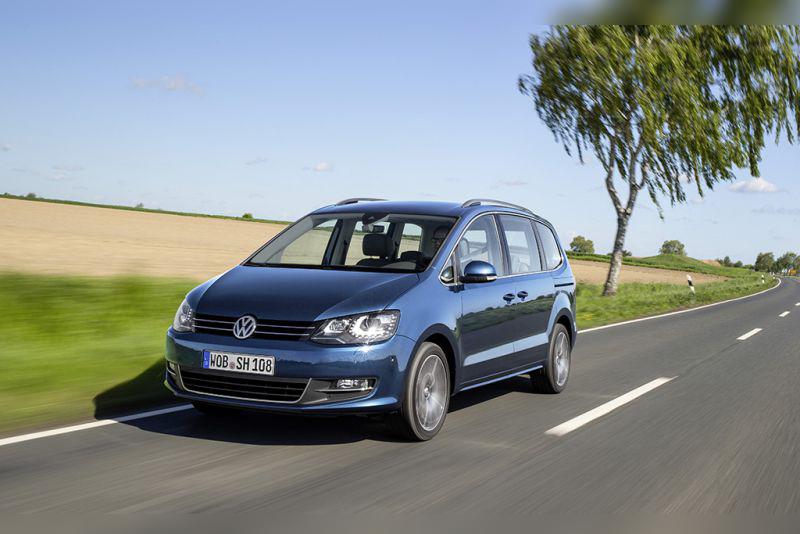
2.0 TDI (115 hp) - CUVA, DFLD, DLTC: Experiences, problems and maintenance
Key points (TL;DR)
- Basics: This is a modern EA288 engine (Euro 6), significantly more reliable than the old PD units, but with a more complex exhaust aftertreatment system.
- Performance: With 115 hp in a heavy VW Sharan, this is an underpowered engine for any kind of dynamic driving. It is intended strictly for relaxed cruising and taxi use.
- AdBlue system: The Achilles' heel of this engine. Tank heaters and urea pumps are frequent and expensive failures.
- Fuel consumption: Extremely economical considering the size of the vehicle, especially on open roads.
- Major service: It is driven by a timing belt. It is recommended to shorten the replacement interval compared to the factory data.
- Recommendation: An excellent choice if your priority is low fuel consumption and calm driving, but with mandatory chip tuning (remapping) for safer overtaking.
Contents
- Introduction and application
- Technical specifications
- Reliability and maintenance
- Specific parts and costs
- Fuel consumption and performance
- Additional options and modifications
- Gearbox and drivetrain
- Buying advice and conclusion
Introduction and application
The engine with codes CUVA, DFLD and DLTC represents the entry-level diesel option for the facelifted second-generation Volkswagen Sharan (from 2015 onwards). It is a two-liter unit that is software “detuned” to 115 horsepower in order to satisfy fleet buyers, taxi companies and families who don’t care about speed but about fuel economy. Although it shares the same hardware base (block, head) with the more powerful 150 hp versions, this engine is under huge stress because it has to move a vehicle that weighs nearly 1.8 tons empty and exceeds 2.5 tons when fully loaded.
Technical specifications
| Specification | Data |
|---|---|
| Engine displacement | 1968 cc (2.0 L) |
| Power | 85 kW (115 hp) at 3500 rpm |
| Torque | 280 Nm at 1750–3000 rpm |
| Engine codes | CUVA, DFLD, DLTC |
| Injection type | Common Rail (Direct injection) |
| Induction | Variable-geometry turbocharger + intercooler |
| Emission standard | Euro 6 (with AdBlue system) |
Reliability and maintenance
Timing belt or chain?
This engine uses a timing belt to drive the camshafts. This is good news because the system is quieter and generally more predictable than a chain. As part of the major service, the belt, tensioners, rollers and the water pump are replaced. The water pump is a critical component here.
Most common failures
Although the EA288 series of engines is very robust, there are some specific issues:
- Water pump: These engines have a variable water pump with an electric actuator that regulates coolant flow for faster warm-up. This mechanism often gets stuck, which leads to engine overheating. The symptom is the temperature rising above 90°C under load.
- AdBlue system: The heater in the AdBlue tank, as well as the pump and urea injector, are prone to failure. Repairs are expensive (depending on the market, but the parts are costly).
- Coolant leaks: Often occur at the thermostat housing or at the EGR cooler.
Major service and oil changes
The manufacturer optimistically states the major service interval at 210,000 km. However, real-world practice and mechanics’ experience suggest that the timing belt should be replaced no later than 150,000 to 180,000 km or every 5 to 7 years, whichever comes first. The risk of belt failure or water pump seizure is not worth stretching the interval.
The engine takes approximately 4.7 to 5.5 liters of oil (depending on filter and sump size for the specific code). You must use 5W-30 or 0W-30 oil that meets the strict VW VW 507.00 specification. Because of the DPF, you must not use oils that do not carry this approval.
Oil consumption
EA288 engines are known for very low oil consumption when in good condition. Consumption of about 0.5 liters per 10,000 km is completely acceptable. If the engine consumes more than 1 liter between services, this may indicate a problem with the turbocharger or piston rings, although this is rarer at lower mileages.
Injectors
The system uses Bosch solenoid or piezo injectors (depending on sub-version). They have proven to be very durable and robust. With good-quality fuel, they can easily last 250,000 - 300,000 km. Symptoms of bad injectors are rough idle and increased smoke, but this is not a common issue with these engine codes.
Specific parts (costs)
Dual-mass flywheel
Yes, this engine has a dual-mass flywheel. Even though it has only 115 hp, the high diesel torque and the weight of the Sharan require a dual-mass flywheel to dampen vibrations. Its lifespan is usually around 200,000 km, but city stop‑and‑go driving can wear it out sooner. Symptoms are metallic noise when switching the engine off and vibrations in the clutch pedal.
Turbocharger
The engine uses a single variable-geometry turbocharger. It is not heavily stressed because the engine runs in a low-output configuration. Service life is long, often over 250,000 km, provided that oil is changed regularly (every 10–15k km, not 30k as the factory claims).
DPF, EGR and AdBlue
This is a Euro 6 engine, which means it is equipped with the full set of emission-control hardware:
- DPF filter: Sensitive to short urban trips. If you drive only in the city, it will clog.
- EGR valve: Prone to soot build-up, but a bigger problem is the EGR cooler, which can leak coolant.
- AdBlue (SCR): As mentioned, this is a mandatory system on the 2015+ Sharan. Maintenance involves regularly topping up the fluid. If the system fails (NOx sensor, heater, pump), the car may refuse to start until the fault is rectified. Repairs are expensive.
Fuel consumption and performance
Real-world fuel consumption
Considering that the Sharan has the aerodynamics of a brick and the weight of a small tank, fuel consumption is a pleasant surprise:
- City driving: Expect between 7.5 and 9.0 liters/100 km. Getting the heavy body moving takes its toll.
- Open road (rural highways): This is where the engine shines, with consumption dropping to around 5.0 - 6.0 liters/100 km.
Is the engine “lazy”?
Yes, very. The power-to-weight ratio is unfavorable. With 115 hp pushing almost 2 tons (with passengers and luggage), the 0–100 km/h sprint takes an eternity (over 12.5 seconds). Overtaking on single-carriageway roads requires serious planning, a downshift and full throttle. Uphill motorway sections with a full load will force you out of sixth gear.
Motorway behavior
Once up to speed, the Sharan with this engine maintains pace nicely. At 130 km/h in top gear, the engine spins at about 2,100 - 2,200 rpm (depending on the gearbox), which is quiet and economical.
Additional options and modifications
Chip tuning (Stage 1)
This is arguably one of the best candidates for remapping. Since this 115 hp engine is hardware-wise almost identical to the 150 hp version (same turbo, injectors, block in most cases), it is factory “strangled”. With a safe Stage 1 remap, power can be raised to 150 hp to 180 hp, and torque to over 380 Nm. This drastically changes the character of the vehicle and makes it much more pleasant and safer to drive, without significantly affecting longevity if driven sensibly.
Gearbox
Types of gearboxes
With this 115 hp engine in the Sharan, the most common option is a 6-speed manual gearbox. There are also versions with a DSG automatic, but these are rarer in combination with the weakest engine (DSG is more often paired with the 150/184 hp units).
Maintenance and failures
- Manual gearbox: Very reliable. There are no specific issues with the gearbox itself; problems are mostly related to the clutch kit and dual-mass flywheel. An oil change in the manual gearbox is recommended at around 150,000 km, even though VW claims it is “lifetime”.
- DSG gearbox (if you have it): Requires oil and filter changes strictly every 60,000 km. If this is neglected, the mechatronics (expensive) and clutch packs will fail.
The cost of replacing the clutch kit together with the dual-mass flywheel is substantial (very expensive, depending on the market), but it is an unavoidable expense on any modern diesel at around 200k+ km.
Buying used and conclusion
When buying a Sharan with this engine, make sure to check:
- Cold start: Listen for rattling (flywheel) and check whether the engine runs smoothly immediately after starting.
- Coolant: Look at the expansion tank. If the level is low or there are traces of leaks around the engine, suspect the water pump or EGR cooler.
- Diagnostics: Check the DPF status (ash load) and whether there are any faults related to the AdBlue system and urea pressure.
Conclusion:
The 2.0 TDI 115 hp engine in the VW Sharan is a choice of reason, not of passion. It is ideal for taxi drivers, calm family drivers and those who cover many kilometers on open roads, where low fuel consumption really shows. If you often drive fully loaded, tow a trailer or enjoy faster driving, this engine will disappoint you with its sluggishness unless you have it remapped. From a maintenance standpoint, it is reliable, but you should be prepared for potential expenses related to the AdBlue system and the water pump.
Was this content useful to you?
Your opinion helps us to improve the quality of the content.