EA888 DPL Engine
- Engine
- 1984 cm3
- Aspiration
- Turbocharger, Intercooler
- Fuel
- Petrol (Gasoline)
- Fuel injection system
- Direct injection
- Power
- 186 hp
- Torque
- 320 Nm
- Cylinders
- 4
- Valves
- 16, 4 per cylinder
- Cylinders position
- Inline
- Oil capacity
- 5.7 l
- Systems
- Start & Stop System
# Vehicles powered by this engine


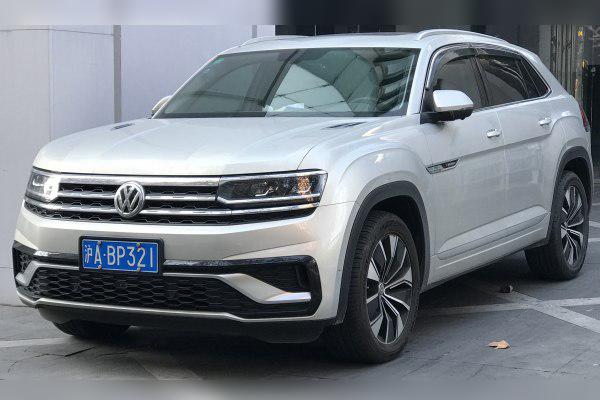
VW 2.0 TSI (EA888 DPL) – Experiences, issues, fuel consumption and buying used
Key points (TL;DR)
- Timing: Uses a timing chain, which in this generation (Gen 3B) is much more reliable than before, but still requires attention.
- Character: This is a so‑called “B‑cycle” (Budack) engine, optimized for lower fuel consumption rather than sporty performance.
- Biggest weakness: The thermostat module and water pump are plastic and prone to leaking before 100,000 km.
- Performance: With 186 hp and 320 Nm, the engine is adequate, but struggles with the high weight of models such as the Teramont and Tavendor.
- Gearbox: Exclusively DSG (wet clutch). Requires strictly regular oil changes every 60,000 km.
- Maintenance: Sensitive to oil quality. It is recommended to change oil every 10,000–15,000 km, not according to “Long Life” intervals.
Contents
- Introduction and engine applications
- Technical specifications
- Reliability and maintenance
- Specific components and injection system
- Fuel consumption and performance
- Additional options (LPG and tuning)
- Gearbox and drivetrain
- Used‑car buying tips and conclusion
Introduction and engine applications
The engine designated EA888 DPL belongs to the third generation (Gen 3B) of Volkswagen turbo petrol engines. This is a specific “low output” 2.0‑liter variant designed to replace the older 1.8 TSI engines. Its key characteristic is operating in the so‑called Budack cycle (a modified Miller cycle), which means the intake valves close earlier in order to increase efficiency and reduce fuel consumption while cruising.
It is installed in large SUV models such as the VW Tavendor and VW Teramont (Atlas), where it carries the 330 TSI badge. Although 186 horsepower sounds decent, keep in mind that these cars often weigh around or over 2 tons, so the role of this engine is to be the entry‑level, more economical option compared to the more powerful 380 TSI (220 hp) or V6 versions.
Technical specifications
| Specification | Data |
|---|---|
| Engine displacement | 1984 cc (2.0 L) |
| Power | 137 kW / 186 hp |
| Torque | 320 Nm (at 1500–4000 rpm) |
| Engine code | EA888 Gen 3B (DPL / DPLA) |
| Injection system | Direct injection (TSI/FSI) |
| Forced induction | Turbocharger with intercooler |
| Number of cylinders/valves | 4 / 16v |
Reliability and maintenance
Chain or belt?
The EA888 DPL engine uses a timing chain. This is the third generation of chain and tensioner, which has solved the catastrophic chain snapping and stretching issues that plagued the first generations (up to 2012/2013). Still, the chain is not eternal. It is recommended to check its condition via diagnostics or visually (through the cover opening) after 150,000 km. If you hear rattling on cold start that lasts longer than 2–3 seconds, that is an alarm for an urgent visit to the workshop.
Most common failures
Although mechanically (pistons, rings, block) this engine is very robust, the peripherals are known to cause problems:
- Thermostat and water pump: This is the “cancer” of all EA888 engines. The housing is plastic and often cracks or deforms due to thermal cycles, which leads to coolant leaks. Symptoms are a dropping coolant level and the smell of vapors under the hood.
- PCV valve (oil vapor separator): When the membrane in this valve tears, the engine starts to run unevenly, a whistling sound can be heard, and oil consumption may increase because the crankcase pressure is not regulated properly.
- Carbon buildup: Due to direct injection, the intake valves are not “washed” by fuel. Over time, carbon deposits accumulate, which can reduce power and increase fuel consumption. Mechanical cleaning (walnut shell blasting) is recommended every 80,000–100,000 km.
Service intervals and oil
Minor service: Although the manufacturer often states 30,000 km, for the longevity of the turbo and chain, change the oil every 10,000 to 15,000 km or once a year.
Major service: The chain has no fixed replacement interval; it is replaced as needed (usually between 150,000 and 200,000 km). The auxiliary (serpentine) belt and tensioners should be replaced at around 100,000–120,000 km.
Oil quantity and type: The engine takes approximately 5.7 liters of oil. The recommended grade is usually 0W‑20 (VW 508.00 specification) to satisfy the B‑cycle requirements and low consumption, but in warmer climates or at higher mileage, 5W‑30 (VW 504.00) is often used. Check the sticker under the hood or the owner’s manual, as using the wrong oil can damage the fine channels of the oil pump.
Oil consumption and spark plugs
Oil consumption is significantly reduced compared to older generations. Still, consumption of about 0.5 liters per 3,000–4,000 km is considered acceptable, especially if the car is driven aggressively or under full load. The spark plugs are iridium and should be replaced every 60,000 km. Do not postpone replacement, as a bad spark plug can lead to overheating and coil failure (which are also wear items).
Specific components and costs
Dual‑mass flywheel
Yes, this engine paired with the DSG gearbox does have a dual‑mass flywheel. Its role is to dampen engine vibrations before they reach the gearbox. Failure symptoms are metallic knocking when switching the engine off or vibrations at idle. Replacement is expensive (depends on market).
Injection system and turbo
It uses high‑pressure direct injection. Injectors are generally long‑lasting but sensitive to poor fuel quality. Injector failure manifests as engine misfiring and the “Check Engine” light coming on. The engine has a single turbocharger (usually an IHI IS20 or a similar torque‑oriented variant). The turbo is reliable if you respect cold‑start rules and allow it to cool down after fast driving. Expected lifespan is over 200,000 km with regular oil changes.
DPF, GPF, EGR and AdBlue
Since this is a petrol engine, it has no AdBlue fluid and no classic DPF like diesels. However, newer models (from around 2018/2019 onwards) likely have a GPF (Gasoline Particulate Filter) to meet Euro 6 standards. GPFs rarely clog because petrol engines run at higher exhaust gas temperatures, which passively clean the filter. The engine does not have a classic EGR valve that gets dirty like on diesels; exhaust gas recirculation is done “internally” via variable valve timing, which is a more elegant and reliable solution.
Fuel consumption and performance
Real‑world fuel consumption
This is where the reality of physics comes in. The Teramont and Tavendor are huge vehicles with poor aerodynamics.
- City driving: Expect between 11 and 14 liters per 100 km. In heavy traffic (stop‑and‑go), consumption easily goes higher. A small engine in a heavy body has to work harder to move the mass.
- Country roads: This is where the B‑cycle (Budack) shows its strengths. At 80–90 km/h, fuel consumption can drop to a surprising 7–8 liters.
- Motorway (130 km/h): Consumption is around 9–10.5 liters, depending on wind and vehicle load.
Is the engine “lazy”?
For everyday family driving, the engine is adequate. The 320 Nm of torque is available low down (from 1500 rpm), which makes the car feel lively when pulling away. However, for overtaking on country roads with a fully loaded car, the engine will struggle and demand high revs. At that point, the lack of power compared to the 2.0 TSI with 220 hp or the V6 engines becomes apparent. If you enjoy dynamic driving, this engine in a Teramont body can feel “lazy”.
At 130 km/h in top gear (7th), the engine spins at a comfortable 2,000–2,200 rpm, which ensures a quiet cabin.
Additional options and modifications
LPG conversion
This engine is not an ideal candidate for LPG. Due to direct injection, an expensive system is required (liquid injection system or a system that uses a mixture of petrol and gas to cool the injectors). Installation is costly (depends on market), and cost‑effectiveness is questionable unless you drive more than 25,000 km per year. You also lose boot space.
Chiptuning (Stage 1)
EA888 engines are known for excellent tuning potential. The DPL version is factory “detuned”. With a safe Stage 1 remap, power can easily be raised to 220–230 hp, and torque to over 400 Nm. This significantly changes the character of the vehicle and makes overtaking easier. However, keep in mind that higher torque puts additional stress on the gearbox and drivetrain components.
Gearbox
In the mentioned models (Teramont, Tavendor), this engine comes exclusively with a 7‑speed DSG automatic gearbox with dual clutch. Depending on the market and model year, this is usually the DQ381 or the more robust DQ500 (for heavier vehicles and 4Motion all‑wheel drive).
- Most common issues: The mechatronics unit (control unit) is the most expensive component that can fail. Symptoms are harsh gear changes, delay in engaging gears, or dropping into neutral. Clutch pack wear is possible at higher mileage, especially if the car is driven mostly in the city or tows a trailer.
- Maintenance: Oil and filter changes in the DSG gearbox are MANDATORY every 60,000 km (or 120,000 km for some newer versions, but 60k is recommended). Neglecting this drastically shortens the gearbox’s lifespan.
- Clutch replacement: The price of a clutch kit is high (very expensive).
Buying used and conclusion
When buying a used vehicle with the EA888 DPL engine, pay attention to the following:
- Signs of coolant leaks: Inspect the engine bay around the thermostat housing (under the intake manifold). Whitish traces mean coolant is leaking.
- Cold start: Listen to the engine at the first start. Any “chain on metal” sound is a bad sign.
- DSG service history: If there is no proof that the gearbox oil has been changed on time, skip that car.
Conclusion: The VW 2.0 TSI (186 hp) is a modern, refined and technologically advanced power unit. It is ideal for calm drivers who want the comfort of a large SUV and reasonable fuel consumption on the open road, and who do not plan to race from traffic lights. If you regularly maintain the cooling system and change the oil more frequently than the factory suggests, this engine will serve you faithfully for hundreds of thousands of kilometers.
Was this content useful to you?
Your opinion helps us to improve the quality of the content.