CGRA Engine
- Engine
- 3597 cm3
- Aspiration
- Naturally aspirated engine
- Fuel
- Petrol (Gasoline)
- Fuel injection system
- Direct injection
- Power
- 280 hp @ 6200 rpm
- Torque
- 360 Nm @ 3200 rpm
- Cylinders
- 6
- Valves
- 24, 4 per cylinder
- Cylinders position
- VR-engine
- Valvetrain
- DOHC
- Oil capacity
- 6.7 l
# Vehicles powered by this engine
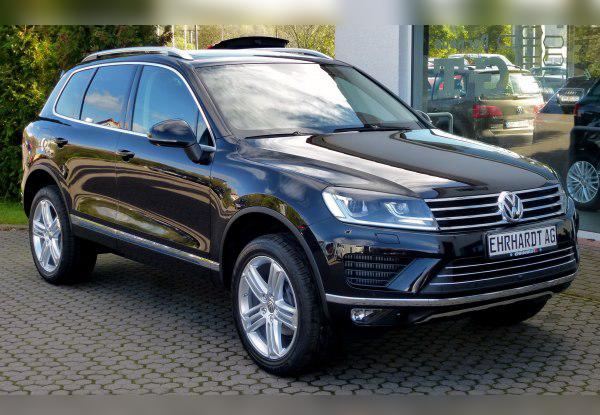
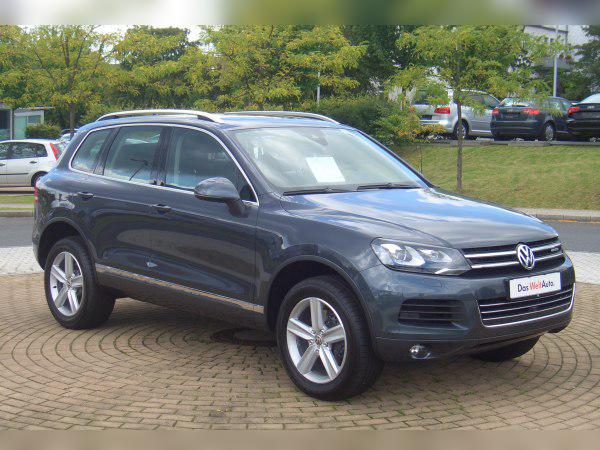
VW 3.6 FSI VR6 (CGRA): Experiences, problems, fuel consumption and maintenance of a legend
Key points (TL;DR)
- Naturally aspirated power: This is a classic VR6 engine without a turbo – linear, reliable, but it needs revs to move a heavy body.
- Timing chain: It is driven by a chain located at the rear of the engine (next to the gearbox). Replacement is expensive due to the amount of labor.
- Direct injection (FSI): The main enemy is carbon buildup on the intake valves.
- Fuel consumption: Be prepared for high numbers. In city driving this engine in a heavy Touareg uses a serious amount of fuel.
- Gearbox: It comes exclusively with an Aisin 8-speed automatic, which is extremely durable and smooth.
- LPG: Possible, but an expensive solution due to the FSI system.
- Recommendation: Ideal for those who hate DPF and EGR diesel issues, drive fewer miles, but want a premium SUV.
Contents
Introduction: The Last Mohican in a Diesel World
The engine with the code CGRA is a 3.6-liter V6 (technically VR6) FSI unit that represents the “golden middle ground” for petrol enthusiasts in the second-generation Volkswagen Touareg (7P). While Europe was obsessed with TDI engines, this petrol unit was the primary choice for the US, Russian and Middle Eastern markets, but it can also be found in our region as an interesting alternative.
This is not a classic V6 engine with a 60 or 90 degree angle, but a VR6 with a very narrow angle between the cylinders (10.6 degrees), which allows it to have a single cylinder head for both banks. That makes it compact, but also mechanically specific. It was installed in pre-facelift and post-facelift Touareg models (2014+), offering a level of refinement that a diesel cannot provide, albeit at a certain cost at the fuel pump.
Technical Specifications
| Specification | Value |
|---|---|
| Engine code | CGRA |
| Displacement | 3597 cc (3.6 L) |
| Configuration | VR6 (narrow-angle V) |
| Power | 206 kW (280 hp) @ 6200 rpm |
| Torque | 360 Nm @ 3200 rpm |
| Injection type | FSI (direct petrol injection) |
| Aspiration | Naturally aspirated |
| Camshaft drive | Chain |
Reliability and Maintenance
Chain or belt?
The CGRA engine uses a timing chain. Although earlier generations of VR6 engines were notorious for chain issues, this generation (EA390) is significantly improved. Still, the chain is not eternal. It is located at the rear of the engine (between the engine and gearbox). If the chain stretches (usually over 200,000 km or due to poor maintenance), replacement requires removing the entire engine or taking down the gearbox, which is very labor-intensive and very expensive (depends on the market). Symptoms include rattling on cold start and camshaft/crankshaft sensor errors.
Most common failures
This is generally a robust engine (“strong mechanicals”), but it has a few weak points:
- PCV valve (oil separator): The membrane in the crankcase ventilation/oil separator often tears. Symptoms are rough idle, a whistling (vacuum) noise and increased oil consumption. Fortunately, it is not very expensive to replace.
- Coil packs: As with most VW petrol engines, ignition coils can fail, which leads to the engine running on fewer cylinders (misfire).
- Thermostat and housing: Plastic thermostat housings can crack due to heat cycles, which leads to coolant leaks.
- Carbon buildup: Due to the FSI system, the valves are not “washed” by fuel. Over time, carbon deposits build up on the intake valves, choking the engine and reducing power. Mechanical cleaning (walnut shell blasting) is recommended every 100,000 km.
Service intervals and oil
Minor service should be done every 10,000 to 15,000 km at most or once a year. “Long Life” intervals of 30,000 km are strongly discouraged for this engine, as they directly shorten the life of the timing chain.
Oil capacity: The engine takes about 6.7 to 7.0 liters of oil (always check the dipstick).
Viscosity: Recommended grades are 5W-30 or 5W-40 with specification VW 502.00 or VW 504.00. High-quality oil is crucial for chain longevity.
Oil consumption
VR6 engines tend to “drink” a bit of oil, especially if driven hard. Consumption of 0.5 to 1 liter per 5,000 km can be considered acceptable for a used engine. If it uses a liter per 1,000 km, the likely culprits are piston rings or the PCV valve.
Spark plugs
Spark plugs should be replaced every 60,000 to 90,000 km, depending on the plug type (iridium/platinum last longer). Difficult cold starts or jerking while driving are signs they are due for replacement.
Specific Parts (Costs)
Dual-mass flywheel: This model comes exclusively with an automatic gearbox (torque converter). It does not have a classic dual-mass flywheel like manual or DSG gearboxes that commonly fail. It has a flexplate that connects the engine and the converter, and this part very rarely fails. So that cost simply doesn’t exist here.
Fuel injection system: It uses FSI high-pressure pumps and direct injectors. The injectors are generally reliable, but sensitive to poor fuel quality. Replacing a single injector can be expensive (depends on the market) because access is complicated (the intake manifold has to be removed).
Turbocharger: There isn’t one. This is a naturally aspirated engine. That is a big advantage on the used market because you don’t have costs for turbocharger overhauls, intercoolers or boost hoses that crack.
DPF, EGR, AdBlue: Being a petrol engine, it DOES NOT have a DPF filter nor does it use AdBlue. It has catalytic converters that are long-lasting, but they can fail if the engine burns a lot of oil or has combustion issues.
Fuel Consumption and Performance
Real-world fuel consumption
You need to be honest with yourself here. The Touareg weighs over 2 tons, has permanent 4Motion all-wheel drive and a large naturally aspirated engine.
- City driving: Expect between 14 and 18 liters/100 km. In winter traffic jams it can go up to 20 liters.
- Open road: It can go down to 9–11 liters/100 km if you drive gently (up to 100 km/h).
- Motorway (130 km/h): Fuel consumption is around 11–13 liters/100 km.
Is the engine “lazy”?
With 280 hp it is not slow, but it doesn’t have that torque punch (“kick in the back”) like the 3.0 TDI. The 360 Nm of torque comes in linearly. For quick overtakes, the gearbox has to drop 2–3 gears and spin the engine above 4,000 rpm. For relaxed cruising it is perfect, but for “racing” you do feel the weight of the vehicle.
Motorway behavior
Extremely quiet and refined. At 130 km/h the engine runs at relatively low revs (thanks to the 8 gears), usually around 2,200–2,400 rpm. The sound of the V6 under acceleration is music to the ears compared to a diesel.
Additional Options and Modifications
LPG conversion
Since this is an FSI engine (direct injection), LPG installation is complicated and expensive. There are two options:
- A system that uses a mixture of LPG and petrol (petrol cools the petrol injectors). It is a cheaper system, but you still use 10–15% petrol while driving on LPG.
- A liquid LPG injection system (using the original petrol injectors). This is the best solution, the engine runs perfectly, but the initial installation is very expensive (depends on the market).
Given the fuel consumption, LPG only pays off if you drive high annual mileage.
Chiptuning (Stage 1)
Naturally aspirated engines don’t gain much from “chipping”. With a Stage 1 remap you can realistically get 10 to 15 hp and maybe a slightly better throttle response. Don’t expect miracles like with turbo engines. The investment usually doesn’t pay off unless you also do gearbox software optimization.
Gearbox
The 3.6 FSI engine in the Touareg 7P comes exclusively with the Aisin TR-80SD, an 8-speed automatic gearbox (Tiptronic).
- Reliability: This is one of the most reliable gearboxes on the market. Japanese Aisin built a robust unit which, with regular maintenance, easily covers 300,000+ km without failure. It doesn’t suffer from mechatronics issues like early DSG models.
- Manual gearbox: There is no manual gearbox option for this engine in this generation of the Touareg.
- Gearbox maintenance: Although VW often claims the oil is “lifetime fill”, that is a myth. The gearbox oil should be changed every 60,000 to 80,000 km. If the gearbox starts to “slam” when shifting or hesitates, the first remedy is an oil and filter change.
Buying Used and Conclusion
When looking at a used Touareg 3.6 FSI, pay attention to the following:
- Cold start: Listen to the engine when it is completely cold. Chain rattling lasting more than 2–3 seconds after startup is a red flag.
- Diagnostics: Check long-term fuel trim values (they indicate vacuum leaks or bad injectors) and errors related to camshaft position (stretched chain).
- Vibrations: While the car is in “D” (Drive) with your foot on the brake, there should be no strong vibrations. If there are, the engine or gearbox mounts are likely worn.
Conclusion:
The VW Touareg 3.6 FSI (CGRA) is an excellent choice for buyers who want a luxury SUV and are afraid of expensive failures on modern diesels (injectors, pumps, turbos, DPF). The price you pay for that peace of mind is high fuel consumption. If you drive less than 15,000 km per year, mostly on short trips where a diesel wouldn’t even warm up properly, this engine is a bullseye. For those who “live” on the motorway, the 3.0 TDI is still the more rational choice.
Was this content useful to you?
Your opinion helps us to improve the quality of the content.