CASA, CNRB Engine
- Engine
- 2967 cm3
- Aspiration
- Turbocharger, Intercooler
- Fuel
- Diesel
- Fuel injection system
- Diesel Commonrail
- Power
- 240 hp
- Torque
- 550 Nm
- Cylinders
- 6
- Cylinders position
- V-engine
- Oil capacity
- 7.7 l
- Systems
- Particulate filter
# Vehicles powered by this engine
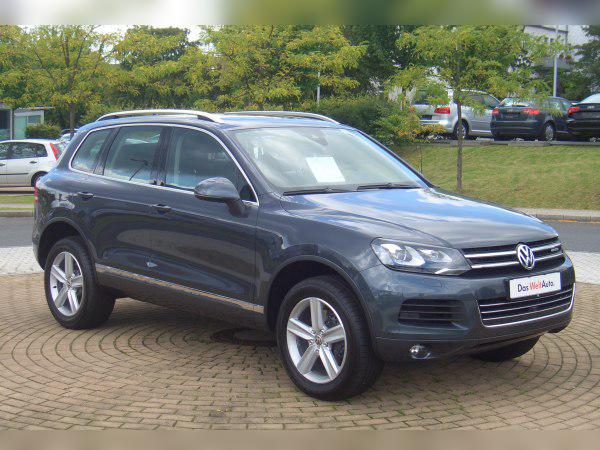
3.0 TDI V6 (CASA, CNRB) – Experiences, Problems, Fuel Consumption and Maintenance
Most important in short (TL;DR)
- Timing chain: Located at the rear of the engine. Rattling on cold start is the first sign of tensioner problems – the repair is expensive (requires engine removal).
- Oil and coolant leaks: Most often occur in the "V" of the engine due to the oil cooler gasket.
- Gearbox: The 8-speed Aisin automatic is extremely reliable, much better than the older 6-speed units, but it does require oil changes.
- AdBlue system: On the CNRB version (Clean Diesel), the AdBlue fluid heater and pump are frequent failure points.
- Performance: The engine is not "lazy"; 550 Nm handles the Touareg’s weight very well, ideal for towing.
- Maintenance: This is not a cheap engine to maintain. It requires quality oil, fuel and regular servicing.
Contents
- Introduction: VW Touareg 3.0 TDI
- Technical specifications
- Reliability and Maintenance (Chain, Oil, Injectors)
- Specific Parts and Costs (DPF, Turbo, AdBlue)
- Fuel Consumption and Performance
- Additional Options and Modifications
- Gearbox (Aisin 8-speed)
- Buying Used and Conclusion
Introduction: VW Touareg 3.0 TDI (7P)
The engine we’re talking about today, with the codes CASA and CNRB, is the heart of the second-generation Volkswagen Touareg (7P). This is a 3.0‑liter V6 diesel that, for many drivers, is the "golden middle ground" – more powerful and refined than smaller engines, yet far more economical and simpler to maintain than the massive V8 or V10 diesels of the past.
CASA is the variant used at the very beginning of the second generation (mostly Euro 5), while CNRB is a specific version known as "Clean Diesel" (often for the US market, but also present in Europe) that meets stricter standards with the help of an AdBlue system. Both engines deliver 240 hp and a hefty 550 Nm of torque, which makes them serious long‑distance cruisers.
Technical specifications
| Parameter | Data |
|---|---|
| Engine displacement | 2967 cc (3.0 L) |
| Configuration | V6 (6 cylinders in V configuration) |
| Power | 176 kW (240 hp) |
| Torque | 550 Nm at 2000–2250 rpm |
| Engine codes | CASA, CNRB |
| Injection system | Common Rail (Piezo injectors) |
| Charging | Variable-geometry turbocharger (VGT) + intercooler |
| Camshaft drive | Chain (multi-chain system) |
Reliability and Maintenance
Timing system: Chain or belt?
This engine uses a chain system for the timing drive. It is a complex system located at the rear of the engine (next to the gearbox). Although it was designed to last "forever", real‑world use has shown otherwise. The chain tensioners are a weak point. The symptom of failure is a characteristic metallic rattle that lasts a few seconds (1–3 s) immediately after a cold start.
If the rattling gets longer or can be heard when the engine is warm, the chain has stretched and replacement is urgent. This is expensive (depends on the market) because it requires removing the engine from the car.
Oil and service intervals
The engine takes approximately 7.7 to 8 liters of oil (depending on whether the filter is changed; always buy 8 liters). The recommended grade is 5W-30 with the mandatory VW 507.00 specification (because of the DPF filter).
Minor service: The manufacturer often specifies "Long Life" intervals of 30,000 km. As an experienced editor, my advice is to forget about that. Change the oil every 10,000 to 15,000 km at most. These engines operate under high thermal load and fresh oil is crucial for the longevity of the chain and turbo.
Major service: Since the engine uses a chain, there is no classic "major service" at a fixed mileage in the sense of a belt replacement. Instead, the serpentine belt (auxiliary belt), tensioners and water pump are replaced every 100,000–120,000 km or as needed. The chain is replaced only when it becomes noisy.
Oil consumption and leaks
A healthy 3.0 TDI engine should not consume a significant amount of oil between services. Consumption of around 0.5 liters per 10,000 km is acceptable. If it uses more, the problem is usually piston rings or the turbo.
However, oil loss is a common issue. The critical point is the oil cooler located in the "V" between the cylinder heads. Plastic or rubber gaskets deteriorate from heat, so oil can run down the gearbox or, even worse, mix with coolant (you will notice "mayonnaise" in the expansion tank or oil in the coolant).
Injectors
The engine uses Bosch Piezo injectors. In general, they are more durable than on older 3.0 TDI engines, but they are sensitive to poor‑quality fuel. Their typical lifespan is around 200,000–250,000 km.
Failure symptoms: White smoke from the exhaust at idle (smells of raw fuel), rising oil level (diesel leaking into the sump – dangerous for the engine!), rough running. If an injector "dribbles", it can melt a piston, so checking injector corrections with diagnostics is mandatory before purchase.
Specific Parts (Costs)
Turbocharger
The engine has a single variable-geometry turbocharger (VGT). It is very robust and, with regular oil changes and proper cooldown after fast driving, it can last as long as the engine itself (300,000+ km). The electronic turbo actuator can cause problems, resulting in loss of power ("limp mode").
DPF, EGR and AdBlue
All of these models have a DPF filter and an EGR valve. The EGR valve often gets clogged with soot, which chokes the engine. The DPF filter suffers from predominantly city driving.
AdBlue (especially for CNRB): The CNRB engine is a "Clean Diesel" and uses AdBlue. The system is prone to failures. The heater in the AdBlue tank or the pump, as well as NOx sensors, often fail. When the system goes down, the car may refuse to start after a certain number of kilometers until the fault is fixed. Repairs to this system are very expensive (it is often "deleted" in software, but that affects legality).
Dual-mass flywheel?
Since this engine in the Touareg 7P is paired exclusively with an automatic gearbox (torque converter), it does not have a conventional dual-mass flywheel like manual versions, where it is a wear item. There is a flexplate connecting the engine and the converter, but it very rarely fails. So, there is no cost of replacing a clutch and flywheel set here, but there is a risk of torque converter overhaul at high mileages.
Fuel Consumption and Performance
Is the engine "lazy"?
Absolutely not. With 550 Nm available from just 2000 rpm, the Touareg "jumps" off the line surprisingly well for its weight of over 2 tons. In‑gear acceleration is excellent, which makes overtaking safe.
Real-world fuel consumption
- City driving: Expect between 10 and 13 l/100 km. In heavy winter traffic, this can go up to 15 liters. This is not a city car.
- Country roads: It is possible to get down to 7.5–8 l/100 km with careful driving.
- Motorway (130 km/h): Consumption is around 9–10 l/100 km. Thanks to the 8‑speed gearbox, at 130 km/h the engine turns at a low 1,900–2,000 rpm, which makes driving extremely quiet and comfortable.
Additional Options and Modifications
Chiptuning (Stage 1): This engine responds very well to remapping. It can be safely taken to about 280–290 hp and 600–620 Nm. This significantly improves throttle response and can even slightly reduce fuel consumption when cruising. The automatic gearbox can handle this torque without issues, provided it is in good condition.
Gearbox
The CASA and CNRB engines in the Touareg 7P come exclusively with an 8‑speed Aisin automatic gearbox (code TR‑80SD / 0C8). This is not a DSG gearbox, but a conventional automatic with a torque converter.
Reliability: This is one of the best gearboxes in its class. It is very smooth and robust. It is better for off‑road driving and towing than a DSG.
Maintenance: Although VW often claims the oil is "lifetime", that is not true. The oil and filter in the gearbox should be changed every 60,000 to 80,000 km. If this is not done, the gearbox will start to jerk when shifting (especially from 2nd to 3rd gear or when decelerating).
Failures: The most common problem is a dirty valve body due to improper or non‑existent oil changes. Valve body overhaul is expensive (depends on the market), but still cheaper than replacing the entire gearbox.
Buying Used and Conclusion
Before buying a Touareg with this engine, make sure to check:
- Cold start: Listen to the chain. Any rattling longer than a second or two is a red flag and means a bill of over 1,000 EUR.
- Oil leaks: Inspect the engine from below and above (in the V). Oiliness under the engine often comes from the top, from the oil cooler.
- Injector diagnostics: Check injector corrections. Large deviations mean replacement is near.
- AdBlue (for CNRB): Check for any fault codes related to the reductant system.
Conclusion:
The 3.0 TDI (CASA/CNRB) is probably the best choice for the VW Touareg II. It offers the perfect balance of power and fuel consumption. If you find a car where the chain has been replaced or is quiet, and the gearbox has been serviced regularly, you will get a top‑class SUV that can cover 500,000 km. Still, keep a reserve budget in mind – when it does break, repairs are expensive. It is intended for people who travel mainly on open roads; for city driving it is an expensive and impractical hobby.
Was this content useful to you?
Your opinion helps us to improve the quality of the content.