BHK, BHL Engine
- Engine
- 3598 cm3
- Aspiration
- Naturally aspirated engine
- Fuel
- Petrol (Gasoline)
- Fuel injection system
- Direct injection
- Power
- 280 hp @ 6700 rpm
- Torque
- 350 Nm @ 2400 rpm
- Cylinders
- 6
- Valves
- 24, 4 per cylinder
- Cylinders position
- V-engine
- Valvetrain
- DOHC
- Oil capacity
- 6.9 l
- Coolant
- 9 l
# Vehicles powered by this engine
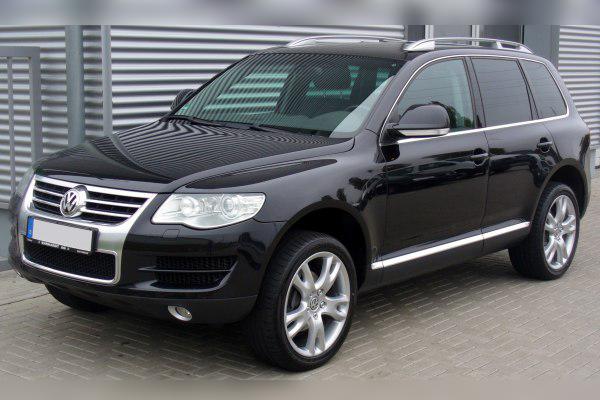
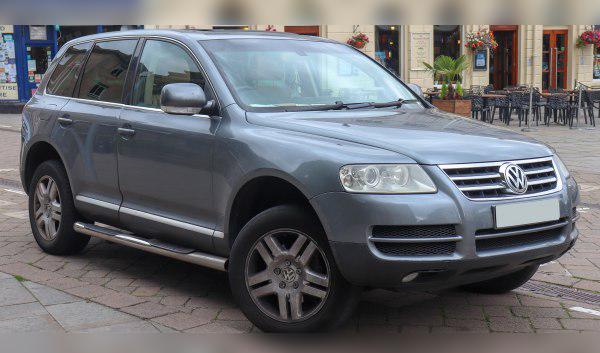
VW 3.6 FSI V6 (BHK, BHL) – Experiences, problems, fuel consumption and used car buying guide
Key points in short (TL;DR)
- Timing chain drive: The engine uses a chain located at the rear of the engine (next to the gearbox). Replacement is very expensive because the engine has to be removed.
- FSI Technology: Direct injection means a tendency to build up carbon deposits on the intake valves (carbonization).
- Fuel consumption: Be prepared for high fuel consumption. In the heavy Touareg, this is not an economical engine.
- No turbo: The absence of a turbocharger means one big worry less; the engine is mechanically robust.
- LPG (Autogas): Installation is possible, but only with systems for direct injection or liquid phase, which is a more expensive investment (depends on the market).
- Gearbox: The Aisin automatic is durable, but requires regular oil changes.
- Recommendation: A good choice for those who drive fewer kilometers and want to avoid expensive failures of modern diesels (injectors, turbo, DPF), provided that the chain is in good condition.
Contents
- Introduction and Models
- Technical Specifications
- Reliability and Maintenance
- Specific Parts and Costs
- Fuel Consumption and Performance
- Additional Options (LPG/Chip)
- Gearbox and Drivetrain
- Buying Used and Conclusion
Introduction and Models
Volkswagen’s 3.6 FSI VR6 engine (codes BHK and BHL) is an evolution of the famous VR6 architecture. Installed in the first-generation Touareg (especially after the facelift) and related models such as the Audi Q7 and Porsche Cayenne, this engine was the answer for buyers who wanted V8-like power in a somewhat more compact package, or simply didn’t want a diesel.
This is a naturally aspirated engine with direct fuel injection. In the Touareg, which weighs over 2.2 tons, this engine has a serious job. Although it is often overshadowed by the powerful TDI engines, the 3.6 FSI has its loyal following thanks to its linear power delivery and the sound that only a 6‑cylinder petrol can provide.
Technical Specifications
| Displacement | 3598 cc (3.6 L) |
| Configuration | VR6 (narrow V angle of 10.6 degrees) |
| Power | 206 kW (280 hp) at 6200 rpm |
| Torque | 360 Nm at 2500–5000 rpm |
| Engine codes | BHK, BHL |
| Injection | FSI (Fuel Stratified Injection) – Direct |
| Induction | Naturally aspirated – No turbo |
| Valves | 24v (4 valves per cylinder) |
Reliability and Maintenance
Does this engine have a timing belt or a chain?
The engine uses a timing chain. This is a critical point of this engine. The system consists of two chains (upper and lower) located at the rear of the engine, between the engine and the gearbox. Although it was designed to last “for the lifetime of the engine”, in practice the chains stretch or the tensioners lose pressure usually between 150,000 and 200,000 km. Due to the chain’s position, replacement requires removing the engine from the car, which makes labor extremely expensive (depends on the market).
What are the most common failures on this engine?
Besides the chain, owners most often encounter the following issues:
- PCV valve (oil separator): The membrane often tears, which leads to rough idle, a whistling sound and increased oil consumption.
- Ignition coils: As with most VW petrol engines, coils are consumable items. If the engine misfires, this is the first suspect.
- Carbon buildup: Due to direct injection, fuel does not wash the intake valves. Over time, carbon deposits build up, choking the engine and reducing power. Cleaning (walnut shell blasting) is recommended every 100,000 km.
- Fuel pressure sensors: They can send incorrect information to the ECU.
Maintenance: Services and Oil
Minor service: Recommended at a maximum of 10,000 to 15,000 km, or once a year. A shortened interval is crucial for chain longevity.
Oil quantity and type: The engine takes a large amount of oil, around 6.7 to 7.0 liters (depending on the sump version). Recommended viscosity is 5W-30 or 5W-40 with VW 502.00 or VW 504.00 specification. High‑quality oil is essential for the hydraulic chain tensioners.
Oil consumption and Spark plugs
Oil consumption: FSI engines are known to “like” to use some oil. Consumption of 0.5 to 0.8 liters per 1000 km is still considered acceptable by factory standards, although it is alarming for owners. If it uses more than 1 L, the problem is probably piston rings or the PCV system.
Spark plugs: They should be replaced every 60,000 to 90,000 km. Be sure to use iridium or platinum plugs intended for FSI engines.
Specific Parts (Costs)
Dual-mass flywheel and Clutch
Since the Touareg with this engine almost exclusively came with the automatic Tiptronic gearbox, it does not have a conventional dual‑mass flywheel like manual gearboxes. Instead, it has a torque converter and a flexplate. This is good news because it eliminates one common and expensive failure typical of diesels with manual gearboxes.
Injection system and Turbo
Injectors: It uses high‑pressure piezoelectric injectors. They can leak or clog, but are generally more durable than diesel injectors. Symptoms include a smell of fuel in the oil or difficult starting.
Turbo: This engine DOES NOT have a turbocharger. That is its biggest advantage in terms of maintenance. No turbo rebuilds, no intercoolers that crack, no oil leaks on the turbo.
Emissions equipment (DPF, EGR, AdBlue)
The engine does not have a DPF filter and does not use AdBlue fluid, because it is a petrol engine. It does have an EGR system (exhaust gas recirculation) which can get dirty from soot, but this is a rarer issue than on diesels. The main “emissions” parts that fail are the catalytic converters and lambda sensors, which can be expensive (depends on the market).
Fuel Consumption and Performance
Real‑world fuel consumption
Here we need to be brutally honest. The Touareg is heavy, has permanent 4Motion all‑wheel drive and the aerodynamics of a brick.
- City driving: Expect between 16 and 20 liters/100 km. In winter traffic jams, this can go over 22 liters.
- Open road: With gentle driving (80–90 km/h) it is possible to get it down to 10–11 liters.
- Motorway (130 km/h): Consumption is around 12 to 14 liters/100 km.
Is the engine “lazy”?
With 280 hp, the engine is not weak, but it lacks the low‑end torque “kick” that diesel drivers are used to. For the Touareg to really move, the engine has to rev. Below 3000 rpm it feels sluggish, but above 4000 rpm it pulls linearly and strongly. It is excellent for relaxed cruising; for traffic‑light drag races – the vehicle’s mass takes its toll.
On the motorway at 130 km/h in 6th gear the engine spins at about 2800–3000 rpm, which is pleasant to the ear, but wind noise becomes noticeable.
Additional Options and Modifications
LPG conversion
Is it possible? Yes. Is it cheap? No.
Since this is a direct‑injection engine (FSI), you cannot install a basic sequential LPG system. You need a system specific to FSI engines that either injects a small amount of petrol together with LPG (to cool the injectors) or a liquid‑phase LPG system (LDI) that uses the factory petrol injectors. Installation is very expensive (depends on the market), but given the fuel consumption, it can pay off in the long run.
Remapping (Stage 1)
On naturally aspirated engines, remapping does not bring dramatic results as it does on turbo engines. A realistic power increase is about 10 to 15 hp and around 15–20 Nm. You gain more in throttle response than in raw power. It is not really worth investing in this unless you are also modifying the exhaust system.
Gearbox
Type of gearbox and maintenance
With this engine in the Touareg you most often get the Aisin TR‑60SN (09D) 6‑speed automatic gearbox (Tiptronic). This is a conventional automatic with a torque converter, not a DSG.
- Reliability: The gearbox is very robust and handles the torque of this petrol engine well (diesels stress it more).
- Failures: The most common issue is the valve body. Symptoms are harsh shifts (especially from 5th to 4th or when coming to a stop).
- Service: Although VW often states that the oil is “lifetime fill”, that is not true. The gearbox oil and filter MUST be changed every 60,000 km. If this is done, the gearbox can easily exceed 300,000 km without a rebuild.
Buying used and Conclusion
Before buying a Touareg with the 3.6 FSI engine, pay attention to:
- Chain noise on cold start: Have someone start the car while you stand by the open bonnet (on the driver’s side). If you hear rattling that lasts longer than 1–2 seconds, the chain needs replacing. This is an expense that can exceed 1000–1500 EUR (depends on the market).
- Idle quality: The engine must idle perfectly smoothly. Vibrations may indicate problems with engine mounts, ignition coils or dirty valves.
- Diagnostics: Check the Long Term Fuel Trim values. If they are high, there may be a vacuum leak or injector problem. Check for fault codes related to “Camshaft correlation” (chain timing).
Conclusion:
The VW Touareg 3.6 FSI is an excellent choice for someone who wants a luxurious SUV, drives less than 15,000 km per year and wants to avoid the potential “landmines” of modern diesels (turbo, injectors, flywheel, DPF). Registration costs and fuel consumption are high, but maintenance of the engine itself (apart from the chain) is simpler than on the V6 or V10 TDI models. If you find a car with the chain already replaced, it is the “best buy” in the cheap luxury SUV segment.
Was this content useful to you?
Your opinion helps us to improve the quality of the content.