CASA, CASB, CASC Engine
- Engine
- 2967 cm3
- Aspiration
- Turbocharger, Intercooler
- Fuel
- Diesel
- Fuel injection system
- Diesel Commonrail
- Power
- 240 hp
- Torque
- 500 Nm
- Cylinders
- 6
- Valves
- 24, 4 per cylinder
- Cylinders position
- V-engine
- Valvetrain
- DOHC
- Oil capacity
- 8.3 l
- Coolant
- 9 l
- Systems
- Particulate filter
# Vehicles powered by this engine
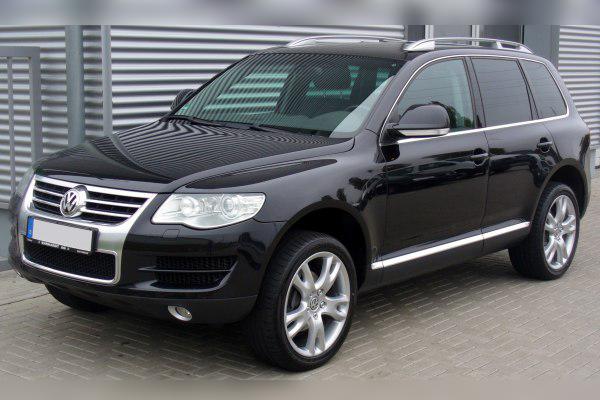
3.0 TDI V6 (CASA, CASB, CASC): Experiences, problems, fuel consumption and buying used
Key points (TL;DR)
- Very powerful and flexible engine: With 240 hp and 500 Nm, this is the right measure for the heavy Touareg, offering excellent in-gear acceleration.
- High-pressure fuel pump issue (CP4): The CASA engine code is known for the infamous Bosch pump that can shed metal shavings and destroy the entire injection system.
- Timing chain instead of belt: It has a complex chain system on the rear side of the engine. Rattling at cold start is a sign of an expensive repair.
- Intake manifolds (Swirl Flaps): Plastic linkages and small motors on the intake manifold are a common failure that triggers the "Check Engine" light.
- Fuel consumption: Not for those with a thin wallet. In the city it easily goes over 13–14 liters.
- Recommendation: A fantastic engine to drive, but it requires a thorough inspection before purchase and preventive maintenance of the fuel system.
Contents
Introduction and applications
The 3.0 TDI V6 engine with codes CASA, CASB and CASC represents an evolution of Volkswagen’s diesel offering for large vehicles. Installed primarily in the VW Touareg I (facelift, 2007–2010), this unit brought a significant power increase to 240 hp (176 kW) compared to the previous 224 hp versions. This is an engine that offers serious luxury and power, designed to pull heavy bodies and trailers effortlessly. However, it belongs to a generation that introduced more complex injection systems to meet stricter emission standards, which also brought certain mechanical challenges that owners need to be aware of.
Technical specifications
| Parameter | Data |
|---|---|
| Engine displacement | 2967 cc (3.0 L) |
| Configuration | V6 (90-degree angle) |
| Power | 176 kW / 240 hp |
| Torque | 500–550 Nm (depending on version) |
| Engine codes | CASA, CASB, CASC |
| Injection system | Common Rail (Piezo injectors) |
| Charging type | Variable-geometry turbocharger (VGT) + intercooler |
| Camshaft drive | Chain (multi-chain system) |
Reliability and maintenance
Timing system: Chain or belt?
This engine uses a chain system for timing. It is not a single chain, but a complex system of four chains located on the rear side of the engine (towards the gearbox). Although it was designed to last the entire service life of the vehicle, in practice it stretches and the tensioners lose effectiveness.
Symptoms of problems: A characteristic metallic rattle or “hissing” at cold start that lasts a few seconds. If it is heard constantly, the situation is alarming. Cost: Replacement is very expensive because the engine has to be removed from the car. This is one of the most expensive jobs on this vehicle.
Most common failures
Besides the chain, the biggest fear of owners of engines with the CASA code is the high-pressure fuel pump (Bosch CP4). In these series it has happened that the pump wears out internally due to poor fuel quality or a design flaw, sending tiny metal shavings through the entire fuel system. This destroys the injectors, sensors and requires flushing the entire tank and system.
Another frequent issue is the intake manifold flaps (Swirl Flaps). The plastic linkages that move them wear out, or the small motors burn out, which turns on the "Check Engine" light (fault code P2015). There are repair kits available that are a cheaper solution than replacing the entire manifolds.
Service intervals and oil
A classic “major service” (as with a belt) does not exist, but chain inspection is recommended after 200,000 km. The auxiliary (serpentine) belt and related rollers are replaced at around 100,000–120,000 km.
The engine holds a large amount of oil, approximately 8.0 to 8.3 liters. It is mandatory to use 5W-30 oil that meets the VW 507.00 specification (Low SAPS due to the DPF).
Oil consumption
These engines can consume some oil, but it should not be excessive. Consumption of 0.5 to 1 liter per 10,000 km is considered acceptable for a high-mileage engine with a turbocharger. If it consumes more, the problem may be piston rings, valve stem seals or leakage in the turbo.
Injectors
CASA engines use fast and precise Piezo injectors. They usually last between 200,000 and 250,000 km. Symptoms of bad injectors: Rough idle, white smoke at startup, increased fuel consumption and “knocking” under load. Also, faulty injectors can overfuel the cylinders, wash away the oil film and lead to piston damage.
Specific parts (Costs)
Dual-mass flywheel
Most Touaregs with this engine come with an automatic gearbox. Automatics (Tiptronic) do not have a conventional dual-mass flywheel like manual gearboxes, but a torque converter. If you find a rare example with a manual gearbox, it does have a dual-mass flywheel and its replacement is expensive (depends on the market).
Turbocharger
The engine has a single turbocharger with variable geometry. Its service life is long (over 250,000 km with proper maintenance), but the electronic actuator of the turbo often fails, which leads to loss of power (“safe mode”).
Emissions: DPF, EGR and AdBlue
This model is equipped with a DPF filter and an EGR valve. In city driving, the DPF often clogs. Symptoms are frequent regenerations (elevated idle speed, burning smell) and a warning light on the dashboard. The EGR cooler also tends to leak, in which case the engine loses coolant without visible traces of leakage under the car.
As for the AdBlue system: the Touareg 7L (facelift) in European versions with this engine usually does not have an AdBlue system, relying instead on the DPF and catalytic converters to meet standards. This is good news because it is one less system to maintain compared to newer models (7P). Still, always check by VIN, as there were specific “BlueTDI” versions for certain markets.
Fuel consumption and performance
City driving and highway
Let’s be realistic – this is not an economical car. The Touareg is a heavy SUV with permanent four-wheel drive.
- City driving: Expect real-world consumption between 12 and 15 l/100 km. In heavy traffic and in winter, this can go even higher.
- Open road: On country roads, with a light right foot, it can go down to about 8–9 l/100 km.
- Highway: At 130 km/h, the engine runs at pleasantly low revs (around 2200–2400 rpm in 6th gear) and consumes about 10–11 l/100 km.
Driving impression
The engine is anything but “lazy”. With 500 Nm of torque available from low revs, the Touareg accelerates surprisingly briskly for its weight of over 2.3 tons. Overtaking is safe and confident. The feeling of power is present at all times.
Additional options and modifications
Remapping (Stage 1)
This engine responds very well to remapping. A Stage 1 map safely raises power to around 275–290 hp and torque to nearly 600 Nm.
However, before tuning you must check the condition of the chain and injectors. Increasing power on an engine with a “tired” chain can accelerate a failure. The gearbox is also subjected to higher loads, so a gearbox remap or more frequent oil changes are recommended.
Gearbox
Types of gearboxes
With the CASA engine in the Touareg 7L you almost exclusively get a 6-speed automatic gearbox (Tiptronic) from the Japanese manufacturer Aisin (code 09D / TR-60SN). Manual gearboxes in this configuration are extremely rare.
Maintenance and issues
The Aisin gearbox is robust, but not indestructible. Service interval: Although VW often claims the oil is “lifetime fill”, in practice the oil and filter in the gearbox MUST be changed every 60,000 to 80,000 km.
Most common failures: If the gearbox “bangs” when shifting (especially from 5th to 4th gear or when coming to a stop), the problem is likely in the hydraulic valve body. This is a common failure on these gearboxes around 200,000 km. Refurbishment is possible, but not cheap (depends on the market).
Buying used and conclusion
What to check before buying?
- Cold start: Insist that the engine is completely cold. Listen to the chain. If it rattles for longer than 1–2 seconds, walk away or lower the price by the cost of replacement (very expensive).
- Fuel system check: This is crucial for the CASA engine. If possible, remove the fuel filter cap or the regulator on the pump. If you see metal shavings, do not buy that car – the entire system is compromised.
- Air suspension: Although not part of the engine, most 3.0 TDI models have it. Check whether the car “sags” overnight and whether the compressor runs quietly.
- Diagnostics: Check injector corrections (values in plus or minus should not be excessive) and the condition of the DPF filter (ash loading).
Conclusion: The 3.0 TDI (CASA) in the Touareg is an engine you buy with your heart and for its power, not to save money. It is intended for drivers who often travel on open roads, tow trailers (boats, caravans) and want top comfort. If you are prepared for higher maintenance costs and the potential risk associated with the fuel pump, you will get one of the most capable SUVs of its generation. For exclusively city driving – look for a smaller car.
Was this content useful to you?
Your opinion helps us to improve the quality of the content.