CRMB, DFDA, DFEA, DFGA Engine
- Engine
- 1968 cm3
- Aspiration
- Turbocharger, Intercooler
- Fuel
- Diesel
- Fuel injection system
- Diesel Commonrail
- Power
- 150 hp
- Torque
- 340 Nm
- Cylinders
- 4
- Valves
- 16, 4 per cylinder
- Cylinders position
- Inline
- Oil capacity
- 4.7 l
- Systems
- Particulate filter
# Vehicles powered by this engine
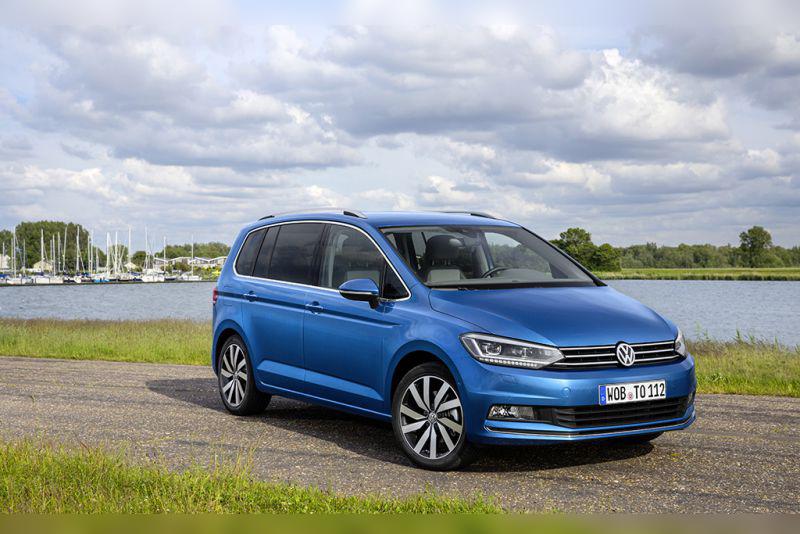
2.0 TDI (CRMB, DFDA, DFEA, DFGA) 150 HP – Experiences, problems, fuel consumption and used car buying guide
Key points (TL;DR)
- Reliable “workhorse”: This is an EA288 series engine, much more refined than its predecessors, an ideal match for the weight of the VW Touran.
- Water pump is a weak point: The variable water pump often seizes before the timing belt service interval, which can lead to overheating.
- AdBlue system: All of these engines have an SCR system. AdBlue heaters and pumps are a frequent and expensive failure.
- Timing belt: The engine is belt-driven; factory intervals are too optimistic for real-world use.
- DSG gearbox needs care: If it’s an automatic, changing the oil every 60,000 km is a matter of life and death for the gearbox.
- DPF regeneration: Sensitive to short city trips, it requires regular drives on open roads.
Contents
- Introduction and applications
- Technical specifications
- Reliability and maintenance
- Specific parts and injection system
- Fuel consumption and performance
- Gearbox: Manual and DSG
- Used car buying tips and conclusion
Introduction and applications
The 2.0 TDI engine with 150 HP (codes CRMB, DFDA, DFEA, DFGA) belongs to Volkswagen’s modern EA288 diesel family. These are not the old “Pumpe-Düse” engines, but contemporary common-rail units developed to meet strict Euro 6 standards (and later Euro 6d-TEMP). In the Volkswagen Touran II, this engine is the “sweet spot”. The weaker 1.6 TDI is often underpowered for a loaded MPV, while the stronger 2.0 TDI with 190 HP requires a higher initial investment.
This unit is important because it offers an optimal balance between performance needed for family trips and fuel economy. However, the complex exhaust after-treatment systems bring specific maintenance requirements that owners must be aware of.
Technical specifications
| Engine displacement | 1968 cc (2.0 litres) |
| Power | 110 kW (150 HP) at 3500–4000 rpm |
| Torque | 340 Nm at 1750–3000 rpm |
| Engine codes | CRMB, DFDA, DFEA, DFGA |
| Injection system | Common Rail (Bosch or Continental) |
| Charging | Variable geometry turbocharger (VGT) + intercooler |
| Emissions | Euro 6 (with AdBlue/SCR system) |
Reliability and maintenance
Does this engine have a timing belt or chain?
This engine uses a timing belt to drive the camshafts. That’s good news because the system is quieter and generally cheaper to replace than the complex chains on older models. However, the water pump that goes with the timing belt is a critical point.
At what mileage should the major service be done?
The factory recommendation for timing belt replacement is often an optimistic 210,000 km. In practice, this is too long. The water pump on these engines has a variable ring (to help the engine warm up faster) that often seizes before that interval, which leads to engine overheating and potentially catastrophic damage.
Professional recommendation: Do the major service (complete timing kit + water pump + coolant) at a maximum of 150,000 to 160,000 km or every 5 to 7 years, whichever comes first.
What are the most common failures on this engine?
- Coolant leaks: Often from the thermostat housing or the water pump itself.
- Oil consumption (moderate): Not as alarming as on the old TSI engines, but it happens if the piston rings have stuck due to “Long Life” oil change intervals.
- Glow plug electronics: On some versions, pressure sensors are integrated into the glow plugs, which makes them significantly more expensive to replace when they fail.
- EGR cooler: The cooler can crack internally, causing the engine to “drink” coolant. The symptom is loss of coolant without visible leaks under the car.
How many litres of oil does it take and what grade?
The engine takes approximately 4.6 to 4.7 litres of engine oil (with filter). You must use oil that meets the VW 507.00 specification. The most common grades are 5W-30 or the newer 0W-30. Using oil without this specification will permanently damage the DPF filter.
Does it consume oil and how much is normal?
EA288 engines are much “tighter” than the old PD engines. Consumption of up to 0.5 litres per 10,000 km is considered perfectly acceptable. If the engine consumes more than 0.5 litres per 1,000 km (which the manufacturer states as the upper limit), this indicates a problem with the turbocharger or piston rings/valve stem seals. Unlike oil, AdBlue consumption is significant.
How long do the injectors last and how reliable are they?
The system uses common-rail injectors (mostly Bosch, solenoid or piezo depending on the exact code and year). They have proven to be very durable. With good-quality fuel and regular fuel filter changes, they easily last 250,000–300,000 km. Symptoms of bad injectors are rough idle (“hammering”), increased smoke when accelerating, and hard starting.
Specific parts (costs)
Does the engine have a dual-mass flywheel?
Yes, it has a dual-mass flywheel (DMF). Considering the 340 Nm of torque, it is necessary to reduce vibrations. Its lifespan is around 150,000–200,000 km, depending on driving style (city driving wears it out faster). Replacement together with the clutch kit is expensive (varies by market).
Does the engine have a turbocharger and what is its lifespan?
The engine has a single turbocharger with variable geometry. The turbo is reliable and rarely fails before 250,000 km if the oil is changed regularly (every 10–15 thousand km). Its biggest enemy is switching off a hot engine immediately after fast motorway driving.
DPF, EGR and AdBlue issues
This is the most sensitive part of the story when buying used:
- DPF filter: Mandatory component. If the car is driven only in the city, it will clog. It needs passive regeneration (open road). Replacement or professional cleaning is expensive.
- EGR valve: Prone to soot build-up. Often replaced together with the EGR cooler.
- AdBlue (SCR): All the above engine codes in the Touran II have AdBlue. This is a frequent source of headaches. The heater in the AdBlue tank or the pump often fails. Then the car refuses to start after a certain distance (“No start in 1000 km”). Repairing the system is very expensive (varies by market).
Fuel consumption and performance
Real-world consumption in the city and on the open road
The Touran is not a light car and has a large frontal area (a “boxy” shape):
- City driving: Expect between 6.5 and 8.0 l/100 km, depending on traffic and how heavy your right foot is. The DSG gearbox can slightly reduce city consumption.
- Open road (rural roads): It can go down to 4.5–5.5 l/100 km.
- Motorway (130 km/h): It uses around 5.8–6.5 l/100 km.
Is the engine “lazy”?
With 340 Nm of torque available from just 1750 rpm, this engine is not lazy. It is the ideal engine choice for the Touran. Even when the car is full of passengers and luggage, overtaking is safe. It’s not a sports car, but it pulls convincingly.
Behaviour on the motorway
This is the Touran’s natural habitat. At 130 km/h in top gear (6th with the manual or 6th/7th with the DSG), the engine spins at a relaxed 2000–2200 rpm. The cabin is well insulated and the engine is quiet.
Additional options and modifications
Remapping (Stage 1)
This engine has plenty of headroom. A safe Stage 1 remap raises power to about 185–190 HP and torque to around 400–420 Nm. This significantly improves in-gear acceleration. However, keep in mind that higher torque shortens the lifespan of the dual-mass flywheel and clutch (especially with manual gearboxes).
Gearbox: Manual and DSG
Which gearboxes are fitted?
There are two options with this engine:
- 6-speed manual: Precise and robust. Code MQ350.
- DSG (automatic): Depending on the model year, it can be a 6-speed (DQ250) or the newer 7-speed (DQ381). Both use wet clutches.
Most common issues and maintenance
Manual gearbox: The gearbox mechanism itself rarely fails. The main expense is the clutch kit and dual-mass flywheel. It is recommended to change the oil in the manual gearbox at around 150,000 km, even though VW claims it is “lifetime fill”.
DSG gearbox: Much more sensitive. It requires an oil and filter change every 60,000 km without exception. If this is not done, the clutch packs and mechatronics will fail. Mechatronics repair is very expensive. Symptoms of failure are juddering when taking off, hesitation when shifting, or harsh gear changes.
Buying used and conclusion
Before buying a Touran with this engine, pay attention to the following:
- Cold start: Listen for metallic knocking or rattling from the gearbox area (a sign of a bad flywheel).
- Diagnostics: Check DPF saturation (anything over 60–70 g of ash is near the end of its life) and injector condition.
- Coolant: Look for traces of coolant leaks around the timing belt area.
- DSG service history: Ask for proof of gearbox oil changes every 60k km. If there is no proof, skip the car.
Conclusion: The VW Touran 2.0 TDI (150 HP) is probably the best family MPV in its class. The engine is powerful, economical and generally reliable if maintained properly. Although maintenance is not cheap (especially due to the AdBlue system, dual-mass flywheel and DSG), it offers excellent comfort and safety on long journeys. It is an ideal purchase for four- or five-member families who cover a lot of kilometres.
Was this content useful to you?
Your opinion helps us to improve the quality of the content.