CYKB, DFEB, DFGB, DFZA, CRVA Engine
- Engine
- 1968 cm3
- Aspiration
- Turbocharger, Intercooler
- Fuel
- Diesel
- Fuel injection system
- Diesel Commonrail
- Power
- 115 hp
- Torque
- 320 Nm
- Cylinders
- 4
- Valves
- 16, 4 per cylinder
- Cylinders position
- Inline
- Oil capacity
- 4.7 l
- Systems
- Particulate filter
# Vehicles powered by this engine
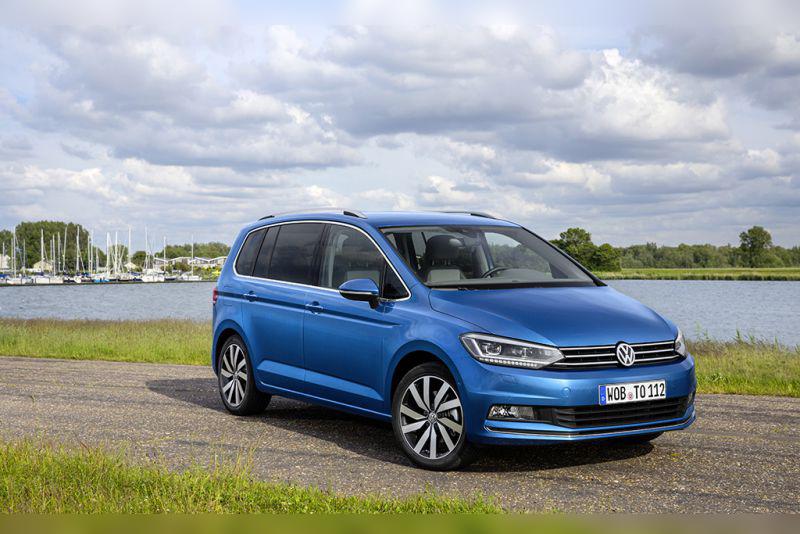
2.0 TDI (115 HP) – Experiences, issues, fuel consumption and maintenance: Is the “detuned” 2.0 a better choice than the 1.6 TDI?
Key points (TL;DR)
- Durability: This is an “understressed” engine – a 2.0-liter block producing only 115 HP, which promises exceptional longevity of the mechanical components.
- Torque: With 320 Nm, it is dramatically better for heavy bodies (like the Touran) than the old 1.6 TDI engine.
- Water pump: A well-known weak point of the EA288 engine series. It often leaks or seizes before the timing belt service interval.
- AdBlue system: Almost all models with these codes have an SCR system prone to failures of the heater, pump or NOx sensor.
- Chip tuning potential: Since it is almost identical in hardware to the 150 HP version, unlocking it via software yields a huge power increase.
- Recommendation: An excellent choice for families who want reliability and low fuel consumption and don’t race from traffic light to traffic light.
Contents
- Introduction and applications
- Technical specifications
- Reliability, maintenance and failures
- Specific parts and costs
- Fuel consumption and performance
- Additional options and modifications
- Gearbox (manual and DSG)
- Buying used and conclusion
Introduction and applications
The engine we’re talking about today represents an interesting move by the Volkswagen Group. The codes CYKB, DFEB, DFGB, DFZA, CRVA belong to the modern generation of EA288 diesel engines. What’s specific here is that this is a 2.0-liter unit that has been factory “detuned” to 115 horsepower.
This engine has practically replaced the former 1.6 TDI. Why is that good? Because in heavy vehicles such as the Volkswagen Touran II, the small 1.6 engines struggled, while this 2.0 offers the same power but significantly more torque and a much more relaxed operation. That means less stress on components and potentially a longer service life.
Technical specifications
| Parameter | Data |
|---|---|
| Engine displacement | 1968 cc |
| Power | 85 kW (115 HP) |
| Torque | 320 Nm at 1700–2500 rpm |
| Engine codes | CYKB, DFEB, DFGB, DFZA, CRVA |
| Injection type | Common Rail (direct injection) |
| Charging | Turbocharger (VGT) + intercooler |
| Emission standard | Euro 6 (most with AdBlue system) |
Reliability and maintenance
Timing belt or chain?
This engine uses a timing belt to drive the camshafts. This is good news for many, as modern VW belts are quieter and cheaper to replace than the chains that caused problems on older generations. The oil pump is often driven by a separate small belt running in oil (“wet belt” for the oil pump) or a chain, depending on the exact sub-version, but the main timing drive is a conventional belt.
Most common failures
Although the engine is mechanically robust, there are peripheral components that cause headaches:
- Water pump: The best-known problem of EA288 engines. The pump has a variable “sleeve” that regulates coolant flow for faster engine warm-up. This mechanism often seizes, leading to engine overheating. Symptoms include a sudden temperature spike or loss of coolant.
- Crankshaft oil seal leaks: Not extremely common, but it does occur at higher mileages, especially at the joint with the gearbox.
- Exhaust gas temperature and DPF pressure sensors: Failure of these sensors can put the engine into “safe mode”.
Major and minor service
The factory interval for the major service (timing belt, tensioner and water pump replacement) is often optimistically set at 210,000 km. However, workshop experience suggests doing this at a maximum of 150,000 to 180,000 km or 5 to 7 years of age. Due to water pump issues, many owners are forced to do the major service even earlier.
The minor service (oil and filters) should be done every 10,000 to 15,000 km, especially if you mostly drive in the city. Avoid “Long Life” intervals of 30,000 km if you want to preserve the turbo and camshafts.
Oil: quantity and consumption
The sump holds approximately 4.7 to 5.5 liters of oil (depending on filter and sump type, always buy 6 liters). You must use oil that meets the VW 507.00 specification. The recommended viscosity is usually 5W-30 or 0W-30.
As for oil consumption, these engines are quite “tight”. Consumption up to 0.5 liters per 10,000 km is acceptable. If the oil level rises on the dipstick, it’s a sign that the DPF filter is failing to regenerate and fuel is ending up in the sump – this requires an urgent visit to a workshop because diluted oil destroys the engine.
Injector lifespan
This engine uses Bosch or Continental Common Rail injectors (often solenoid, though some variants have piezo). They have proven to be very durable and often last over 250,000 km without issues, provided good-quality fuel is used. Rebuilding is possible, but new ones are still expensive (depends on the market, but count on “expensive”).
Specific parts (costs)
Dual-mass flywheel
Yes, this engine has a dual-mass flywheel. Although it has “only” 115 HP, the 320 Nm of torque requires a dual-mass flywheel to neutralize vibrations and protect the gearbox. Its lifespan is usually between 150,000 and 200,000 km, depending on driving style. Symptoms of failure include rattling when switching off the engine and vibrations in the clutch pedal.
Turbocharger
The engine uses a single turbocharger with variable geometry (VGT). Since the engine is not highly stressed (modest power from a large displacement), the turbo is not under heavy thermal stress and rarely fails before 250,000 km. Regular oil changes are crucial for its life.
DPF, EGR and AdBlue
This is the Achilles’ heel of modern diesels.
DPF and EGR: Standard equipment. City driving clogs them quickly.
AdBlue (SCR): These engines (Euro 6) are equipped with an AdBlue system. The system is problematic. The heater in the AdBlue tank, the pump or the urea dosing injector often fail. Repair usually means replacing the entire tank module, which is very expensive (depending on the market, often over 1000 EUR for an original part). There are workshops that disable this system via software, but that raises questions of legality and passing inspection.
Fuel consumption and performance
Real-world fuel consumption
- City driving: In a heavy Touran, expect between 6.5 and 8.0 l/100 km. Even though it’s a diesel, vehicle weight and stop‑and‑go traffic take their toll.
- Country roads: This is where the engine shines, with consumption dropping to 4.5 to 5.5 l/100 km.
- Motorway (130 km/h): Expect around 6.0 l/100 km.
Is the engine “lazy”?
On paper, 115 HP in a big Touran sounds weak. In practice, thanks to 320 Nm of torque, the car drives perfectly decently. It’s not a racer, overtaking on short stretches requires some planning, but for normal family driving and cruising, there is more than enough power. It’s not as “dead” as the old 1.6 TDI in the Passat or Touran.
Motorway driving
This is the natural habitat of this engine. At 130 km/h in top gear (6th or 7th with DSG), the engine spins at pleasantly low revs, usually around 2,000–2,200 rpm. That guarantees a quiet cabin and economical driving.
Additional options and modifications
Chip tuning (Stage 1)
This is probably one of the best candidates for chip tuning on the market. Why? Because this 115 HP engine is 99% identical in hardware to the 150 HP version. The factory has limited it via software.
With a safe Stage 1 remap, this engine can easily be raised to 150 HP to 185 HP and torque to over 380–400 Nm. The difference in driving is dramatic – you get a completely different car. Of course, this should only be done by reputable tuners, bearing in mind that more power wears the clutch and flywheel faster.
Gearbox
Manual and automatic (DSG)
With this engine in the Touran II you get:
- Manual gearbox (6-speed): Very precise and reliable. Maintenance is minimal (it’s advisable to change the oil every 100,000 km even though VW calls it “lifetime”).
- DSG (automatic): Most commonly the seven-speed DQ381 (newer generation with wet clutch) or the older DQ250 (six-speed wet clutch). The “dry” DQ200 is rarely paired with this 2.0 engine due to the high torque, but you should always check by VIN.
Gearbox maintenance and failures
DSG gearboxes with wet clutches (DQ250/DQ381) are reliable, but require strict maintenance. The gearbox oil and filter MUST be changed every 60,000 km. If this is skipped, the mechatronics (the gearbox brain) or the clutch pack will fail. DSG repairs are “very expensive”.
Manual gearbox: Costs are mostly related to the clutch kit and dual-mass flywheel (wear items).
Buying used and conclusion
What to check before buying?
- Cold start: Listen for metallic rattling (flywheel) and check whether the engine runs smoothly immediately after starting (injectors).
- Coolant: Look at the expansion tank. If the coolant is brown or has traces of oil, walk away. Also check whether the “silica bag” (G13 mit Silikat) in the tank has burst – it can clog the small heater core.
- AdBlue history: Ask the owner whether there have been problems with the AdBlue system or whether the system has been disabled via software.
- Water pump: Check the service book to see when it was last replaced.
Final conclusion
The 2.0 TDI with 115 HP is a hidden gem for pragmatic buyers. You get the robustness of a 2.0-liter block with lower registration costs (in some countries) and a lower purchase price of the vehicle. You avoid the strain of the small 1.6 TDI engine.
It is ideal for taxi drivers, families and those who cover a lot of kilometers on open roads. If you ever feel short on power, a simple remap solves the problem. Just be prepared for potential AdBlue-related costs and make sure to maintain the DSG gearbox regularly.
Was this content useful to you?
Your opinion helps us to improve the quality of the content.