EA189 / CAAC Engine
- Engine
- 1968 cm3
- Aspiration
- Turbocharger, Intercooler
- Fuel
- Diesel
- Fuel injection system
- Diesel Commonrail
- Power
- 140 hp @ 3500 rpm
- Torque
- 340 Nm
- Cylinders
- 4
- Valves
- 16, 4 per cylinder
- Cylinders position
- Inline
- Valvetrain
- DOHC
- Oil capacity
- 7 l
- Coolant
- 11 l
- Systems
- Particulate filter
# Vehicles powered by this engine

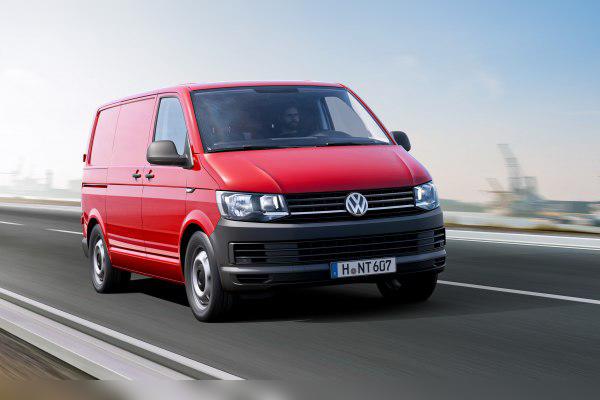
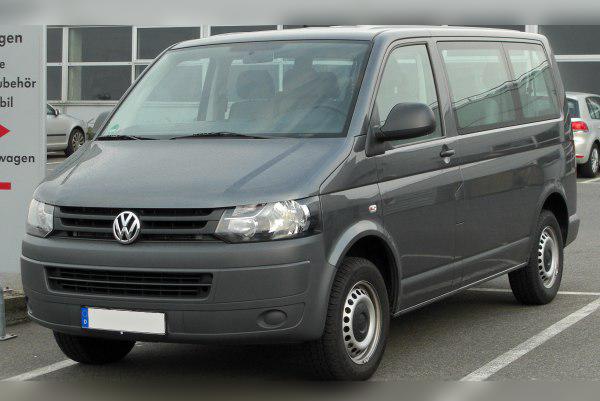
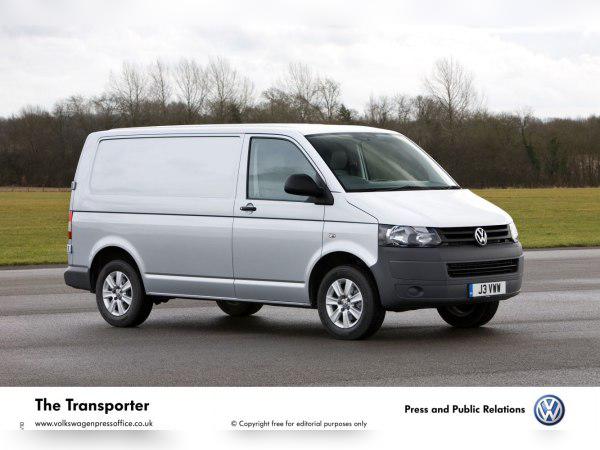
VW 2.0 TDI (CAAC) 140 HP – Experiences, Problems, Fuel Consumption and Buying Tips
Most important in short (TL;DR)
- Best balance: The 140 HP (CAAC) version is considered the “golden middle” for the T5 and T6 – more reliable than the BiTurbo versions and stronger than the base models.
- EGR valve and cooler: The most common failure point. Coolant loss is often a symptom of a faulty EGR cooler.
- Dual-mass flywheel: Due to the vehicle’s weight and frequent heavy loads, the flywheel is a wear item that fails faster than in passenger cars.
- Timing belt drive: There is no chain, which is good, but it requires regular replacement (Major service).
- Oil consumption: Noticeable, but lower than on older PD engines. Requires checking every 1,000–2,000 km.
- Recommendation: If you’re buying a T5 facelift or T6, this is the engine you want. Avoid the BiTurbo (180 HP) due to oil consumption and engine block issues.
Contents
- Introduction and engine importance
- Technical specifications
- Reliability and maintenance
- Specific parts and costs
- Fuel consumption and performance
- Additional options and modifications
- Gearbox (Manual and DSG)
- Used-buying guide and conclusion
Introduction: The workhorse of modern logistics
The engine with the code CAAC belongs to the famous EA189 family of Volkswagen diesels, but it is specifically adapted for light commercial vehicles (LCV). It was installed in the facelifted Volkswagen Transporter T5 (from 2009) and continued its life cycle in the early series of the Transporter T6. Unlike its predecessors with the “Pumpe-Düse” system, this is a Common Rail engine.
Why is this engine important? Because in the world of vans, where hundreds of thousands of kilometers are covered, it has remained known as a robust choice. While the weaker versions (84/102 HP) are often too weak for a loaded van, and the stronger BiTurbo version (180 HP) is notorious for catastrophic engine failures, the 2.0 TDI with 140 HP stands out as the most rational choice for anyone who wants reliability and solid performance.
Technical specifications
| Parameter | Value |
|---|---|
| Engine displacement | 1968 ccm |
| Power | 103 kW (140 HP) |
| Torque | 340 Nm at 1750–2500 rpm |
| Engine code | CAAC (EA189 generation) |
| Injection type | Common Rail (Direct injection) |
| Charging | Turbocharger (VGT – variable geometry) + intercooler |
| Number of cylinders / valves | 4 / 16 (DOHC) |
Reliability and maintenance
Timing belt or chain?
The 2.0 TDI CAAC engine uses a timing belt to drive the camshafts. This is good news because chains on some VW engines have proven problematic. However, the belt requires strict adherence to replacement intervals.
Major service and intervals
The factory recommendation for timing belt replacement is often an optimistic 210,000 km. However, given the harsh operating conditions of vans (city driving, heavy loads, many engine hours at idle), experienced mechanics recommend doing the major service at 150,000 to 160,000 km or at the latest at 5–6 years of age. A snapped belt leads to a “collision” between pistons and valves, which means total engine failure.
Important note: During the major service, always check the auxiliary (serpentine) belt as well. If it breaks, its pieces can get under the timing belt and cause engine destruction. This is a known “weak spot” of this design.
Oil: capacity and consumption
Unlike passenger cars (Golf, Passat) which take about 4.3 liters, the Transporter with the CAAC engine holds significantly more oil – around 7.0 liters. The larger oil sump improves cooling and allows longer intervals, but it also means a more expensive minor service.
Which oil to use? Always use 5W-30 with the VW 507.00 specification. This spec is crucial because of the DPF filter (low-ash oil).
As for oil consumption, these engines are better than the old PD units, but they still like to “drink” a bit. Consumption of 0.5 to 1 liter per 10,000 km is considered completely normal and acceptable, especially if driven on the motorway under load. If it exceeds a liter every 2–3 thousand km, that indicates a problem with the piston rings or the turbo.
Injectors
The CAAC uses Common Rail injectors (usually solenoid type, which are more robust than the piezo injectors used in some passenger models). They have proven to be very durable and often exceed 250,000–300,000 km without issues. Symptoms of bad injectors are rough idle, increased smoke under acceleration and hard starting.
Most common failures
The biggest headaches for owners usually come from:
- EGR cooler: It often cracks or corrodes, leading to coolant loss. If you notice that “water is disappearing” and there is no puddle under the vehicle, it has probably gone into the engine through the EGR.
- Exhaust gas pressure sensors: A common cause of the “Check Engine” light.
- Oil leaks: Most often at the crankshaft seal or valve cover.
Specific parts (Costs)
Dual-mass flywheel
Yes, this engine has a dual-mass flywheel (DMF). In the Transporter it is under heavy stress due to the vehicle’s mass (an empty van weighs around 2 tons). Its lifespan is shorter than in cars, often between 150,000 and 200,000 km. Symptoms are a metallic noise (clattering) when switching the engine off and vibrations in the clutch pedal. The price of replacing the clutch kit with the flywheel is high (very expensive, depends on the market).
Turbocharger
The engine uses a single turbocharger with variable geometry. It is not as failure-prone as the BiTurbo versions. With regular oil changes and allowing the turbo to cool after fast driving, the turbo can last as long as the engine itself. Rebuilding is possible and reasonably priced.
DPF and EGR
The vehicle is equipped with a DPF filter and an EGR valve. Vans used exclusively in the city (“delivery driving”) have chronic problems with DPF clogging. Regeneration is often interrupted. If you plan only city driving, be prepared for more frequent cleanings or occasional highway runs to allow regeneration.
AdBlue
This is where you need to be careful. The CAAC engine is primarily Euro 5 compliant and in most T5 facelift models it does not have an AdBlue system, which is a big advantage (fewer parts to fail). However, in T6 models, depending on the production year and market, an AdBlue system may be present to meet stricter standards, although for Euro 6 VW later introduced a new engine generation (EA288, codes like CXFA etc.). Check the specific vehicle – if it has a blue cap next to the fuel filler, it has AdBlue. The system is sensitive to low temperatures and fluid quality (crystallization).
Fuel consumption and performance
City driving
Don’t expect miracles. The Transporter is a 2‑ton “brick” on wheels. Real-world city consumption is between 9 and 11 l/100 km, depending on whether it’s empty or loaded, and whether it’s an automatic or a manual.
Open road (Motorway)
This is where the engine is most efficient. At 80–100 km/h, fuel consumption drops to about 7.0–7.5 l/100 km. On the motorway at 130 km/h, consumption is around 8.5–9.5 l/100 km, as air resistance takes its toll.
Is it “lazy”?
With 340 Nm of torque, this engine is not lazy. 140 HP is the sweet spot. It pulls linearly and has enough power for overtaking even when partially loaded. It’s not a racer, but you won’t feel inferior on uphill stretches like with the 102 HP version.
Cruising: At 130 km/h in the highest gear (6th or 7th on the DSG), the engine spins at a comfortable 2,400–2,600 rpm, which makes the ride relatively quiet for a van.
Additional options and modifications
Remapping (Stage 1)
This engine responds very well to remapping. A safe “Stage 1” raises power to about 170–175 HP and torque to nearly 400 Nm. This is highly recommended if you often drive a fully loaded van or tow a trailer. Fuel consumption can even slightly decrease in normal driving because the engine carries the body more easily.
Gearbox: Manual and DSG
Manual gearbox (6-speed)
Precise and durable. The most common issues are not in the gearbox itself but in the clutch kit and the shift cables, which can seize. The gearbox oil is officially “fill for life”, but it is recommended to replace it at 200,000 km for smoother shifting in winter.
DSG automatic gearbox (7-speed – DQ500)
With this engine in the T5/T6, the DQ500 gearbox is often fitted. This is a wet-clutch 7-speed DSG and is considered one of the most durable gearboxes VW has ever made. It is designed to handle huge torque and heavy vehicles.
Maintenance is crucial: The oil and filter in the DSG must be changed every 60,000 km. If this is neglected, the mechatronics and clutches fail, and repairs are astronomical (very expensive). If properly maintained, this gearbox is an excellent choice.
Used-buying guide and conclusion
Before buying a Transporter with the CAAC engine, pay attention to the following:
- Noise when switching off: Listen for a metallic knock (dual-mass flywheel).
- Oil cap: Open the oil filler cap. If there is a white emulsion (“mayonnaise”) on it, this may be a sign that coolant is mixing with oil, most likely due to a leaking EGR cooler (or more rarely a head gasket).
- Diagnostics: Check DPF saturation level and injector corrections.
- Service history: Check when the major service was done and whether the oil in the DSG gearbox has been changed.
Final verdict
The 2.0 TDI (CAAC / 140 HP) engine is probably the best power unit you can find in a used Transporter T5 facelift or early T6. It has avoided the catastrophic flaws of the BiTurbo models and offers a far better driving experience than the weaker versions. Maintenance is not cheap (it is a VW commercial vehicle, after all), but with regular servicing, this engine can easily cover more than 500,000 kilometers.
Was this content useful to you?
Your opinion helps us to improve the quality of the content.