EA188 / BRR Engine
- Engine
- 1896 cm3
- Aspiration
- Turbocharger, Intercooler
- Fuel
- Diesel
- Fuel injection system
- Pump-nozzle (Unit Injector)
- Power
- 84 hp @ 3500 rpm
- Torque
- 200 Nm @ 2000 rpm
- Cylinders
- 4
- Valves
- 8, 2 per cylinder
- Cylinders position
- Inline
- Valvetrain
- SOHC
- Oil capacity
- 6.3 l
- Coolant
- 7.1 l
- Systems
- Particulate filter
# Vehicles powered by this engine
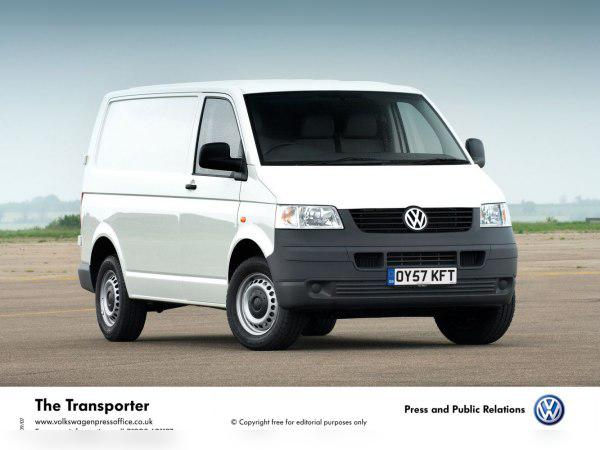
VW 1.9 TDI (BRR) 84 HP – Experiences, problems, fuel consumption and used-buying guide
1. The most important in short (TL;DR)
- Durability: The engine base (block, pistons) is extremely robust; this is one of the last “proper” 1.9 TDI engines.
- Power: With 84 HP in the heavy Transporter T5, this engine is very slow. Overtaking requires serious planning.
- Maintenance: Requires strict use of oil that meets VW specifications (because of the PD system and DPF) to avoid camshaft damage.
- DPF filter: Since this is a version with a DPF, city driving does not suit it and clogging can occur.
- Dual-mass flywheel: Although the engine is weak, it has a dual-mass flywheel which is a wear item and an expensive part.
- Potential: Excellent base for chip tuning because the hardware is very similar to more powerful versions (it is software-detuned).
Contents
- Introduction and applications
- Technical specifications
- Reliability and maintenance
- Specific parts (costs)
- Fuel consumption and performance
- Additional options and modifications
- Gearbox and drivetrain
- Used-buying tips and conclusion
Introduction: A workhorse without big ambitions
The engine code BRR belongs to the legendary EA188 series of Volkswagen diesels, specifically adapted for light commercial vehicles. It was primarily installed in the Volkswagen Transporter T5 (facelifted models and later series before the T5.1 facelift). This is the entry-level, weakest diesel offered for the T5.
Its purpose is not speed, but durability and lower maintenance costs compared to the more complex 2.5 TDI engines used in the same models. However, buyers often underestimate the weight of the T5 van (which exceeds 1.8 tons empty) in relation to these modest 84 horsepower.
Technical specifications
| Parameter | Value |
|---|---|
| Engine code | EA188 / BRR |
| Displacement | 1896 cc (1.9 l) |
| Power | 62 kW (84 HP) at 3500 rpm |
| Torque | 200 Nm at 2000 rpm |
| Injection system | Pumpe-Düse (PD) – unit injector |
| Charging | Turbocharger (VNT) + intercooler |
| Emissions | Euro 4 (with DPF filter) |
Reliability and maintenance
Timing belt or chain?
This engine uses a timing belt for the valvetrain. This is a traditional and reliable solution on VW engines, provided it is replaced on time. A snapped belt leads to piston-to-valve contact, which is a catastrophic failure.
Most common failures
Although robust, the BRR engine has a few specific weak points:
- Camshaft: This is a classic weak spot of PD (Pumpe-Düse) engines. Due to the high load on the lobes that drive the injectors, the camshaft and hydraulic lifters wear out. The symptom is a “tapping” sound from the air filter box and loss of power. The cause is often the use of incorrect oil or overly long service intervals.
- Injector wiring loom: The wiring that runs through the cylinder head to the injectors is submerged in oil. Over time, the insulation deteriorates, causing signal interruption. Symptoms are running on 3 cylinders, misfiring or stalling. The repair is not too expensive (depends on the market).
- EGR valve: Often gets clogged with soot, especially with city driving.
- Tandem pump: Can start leaking, mixing fuel into the oil or causing external leaks.
Major service
The recommended interval for a major service (replacement of timing belt, tensioners, water pump and coolant) is every 90,000 to 120,000 km, or every 4 to 5 years. Considering this is a work vehicle that is often driven under load, it is advisable to stick to the 90,000 km interval for safety.
Oil: Quantity and specification
The engine takes approximately 5.8 to 6.0 liters of oil (always check on the dipstick). Oil choice is CRITICAL for this engine:
- Always use fully synthetic oil with a viscosity grade of 5W-30.
- It must meet the VW 507.00 standard because the vehicle has a DPF filter.
- If oil without this standard is used, both the DPF (quick clogging) and the camshaft (poor lubrication of PD elements) will suffer.
Oil consumption
PD engines are known to “drink” a bit of oil. Consumption of 0.5 to 0.8 liters per 10,000 km is considered completely normal and acceptable. If it exceeds 1 liter per service interval, the turbocharger (whether it is leaking oil) or injector seals should be checked.
Injector (unit) longevity
The system uses PD (unit injector) elements. They are extremely robust and often last over 300,000 – 400,000 km without issues. However, they are sensitive to poor fuel quality. Overhaul is possible, but the price is quite high (very expensive). A common problem is not the injectors themselves, but the seals (O-rings) on them that fail, allowing diesel to enter the crankcase and dilute the oil.
Specific parts (costs)
Dual-mass flywheel
Yes, this model (even though it has only 84 HP) has a dual-mass flywheel. The reason is the high vehicle mass and the need to protect the gearbox from diesel engine vibrations. Failure symptoms are metallic noise when starting/stopping the engine and vibrations in the clutch pedal. Replacing the clutch kit with the flywheel is a major (expensive) cost.
Turbocharger
The engine uses a variable-geometry (VNT) turbocharger. Its service life is long, often exceeding 250,000 km with regular oil changes. Failure symptoms are a whining noise (like an ambulance siren) or the engine going into “safe mode” at higher speeds (due to the vanes sticking from soot buildup).
DPF and EGR
The BRR model comes with a factory DPF filter. This is its Achilles’ heel if the van is used exclusively in the city (stop-and-go delivery). The DPF cannot regenerate passively at low speeds, which leads to the warning light coming on and the need for forced regeneration or chemical cleaning. The EGR valve is also prone to fouling. DPF replacement costs are very high.
AdBlue
This engine DOES NOT have an AdBlue system. It meets the Euro 4 standard using only a DPF and catalytic converter, which is one less maintenance concern compared to newer T6 models.
Fuel consumption and performance
Real-world fuel consumption
- City driving: Due to the high weight (the T5 is heavy) and the weak engine that has to be “pushed”, city consumption is rarely below 9.5 – 11 liters/100 km.
- Open road: On secondary roads it can drop to 7.0 – 8.0 liters/100 km.
Is the engine “lazy”?
Honestly – yes. 84 HP and 200 Nm is too little for the T5 van body, especially when loaded. Acceleration to 100 km/h takes “an eternity” (over 20 seconds). Uphill driving requires downshifting and high revs.
Motorway and cruising
This is not a vehicle for the fast lane. Top speed is around 145 km/h. At 130 km/h, the engine spins at a rather high 3000+ rpm (due to the 5-speed gearbox), which creates cabin noise and pushes fuel consumption above 10 liters. A comfortable cruising speed for this engine is around 100–110 km/h.
Additional options and modifications
Chip tuning (Stage 1)
This is one of the best aspects of this engine. The BRR version is actually a software-detuned variant of more powerful 1.9 TDI engines (which have 102 HP or 105 HP). With a safe remap (Stage 1), power can be raised to 105 to 115 HP, and torque to around 250–260 Nm.
Result: The vehicle is completely transformed, carries load more easily and can even reduce fuel consumption because you don’t have to press the accelerator as much. This is highly recommended, provided the engine and clutch are in good condition.
Gearbox
Gearbox type
The BRR engine comes exclusively with a 5-speed manual gearbox (family code 02Z). Automatic gearboxes (DSG or Tiptronic) were not paired with this weakest engine version.
Gearbox problems
The manual gearbox is generally reliable, but it suffers due to the vehicle’s weight. The most common issues are:
- Worn synchros (grinding when shifting, especially from 1st to 2nd gear).
- Oil leaks at the driveshaft seals.
- The gear selector linkage can develop play, making gear selection imprecise.
The gearbox oil should be changed preventively every 100,000 km, even though the manufacturer often claims it is “lifetime fill”.
Buying used and conclusion
When buying a T5 with this engine, make sure to check:
- Flywheel noise: Does it rattle when the engine is switched off?
- Diagnostics (VCDS): Check injector corrections (values should be close to 0; anything over +/- 2.0 is bad) and DPF status (ash load).
- Smoke: Black smoke indicates turbo or EGR issues, blue smoke indicates oil consumption.
- Oil history: Insist on proof that 507.00-spec oil has been used.
Conclusion: The VW Transporter 1.9 TDI (BRR) is a workhorse for those who don’t care about performance. It is ideal for city deliveries or as a base for a camper that will be driven slowly. It is not fast, but with a remap it becomes perfectly usable. If well maintained, it can cover half a million kilometers without opening the engine, but you should be prepared for flywheel replacement and DPF issues in city use.
Was this content useful to you?
Your opinion helps us to improve the quality of the content.