940A2000 Engine
- Engine
- 1368 cm3
- Aspiration
- Turbocharger, Intercooler
- Fuel
- Petrol (Gasoline)
- Fuel injection system
- Multi-port manifold injection
- Power
- 170 hp @ 5500 rpm
- Torque
- 250 Nm @ 2500 rpm
- Cylinders
- 4
- Valves
- 16, 4 per cylinder
- Cylinders position
- Inline
- Valvetrain
- SOHC
- Oil capacity
- 3.5 l
- Coolant
- 6 l
- Systems
- Start & Stop System
# Vehicles powered by this engine
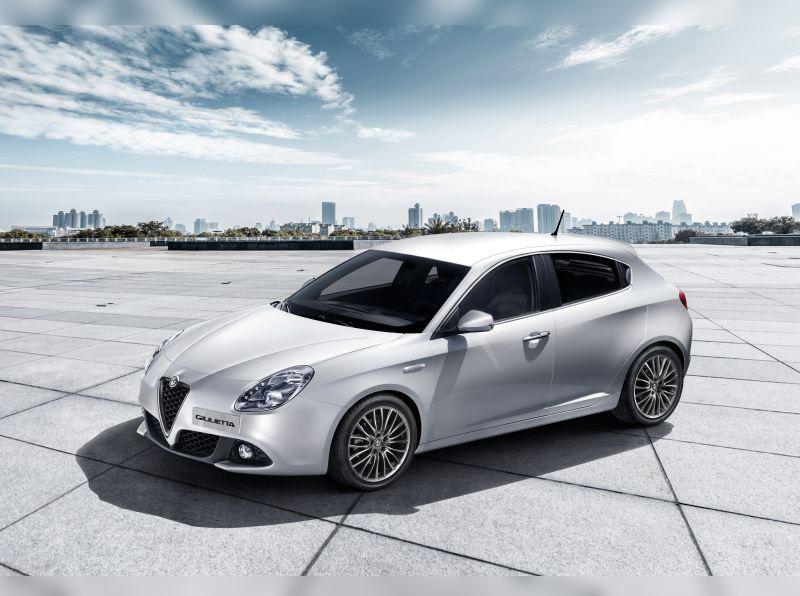
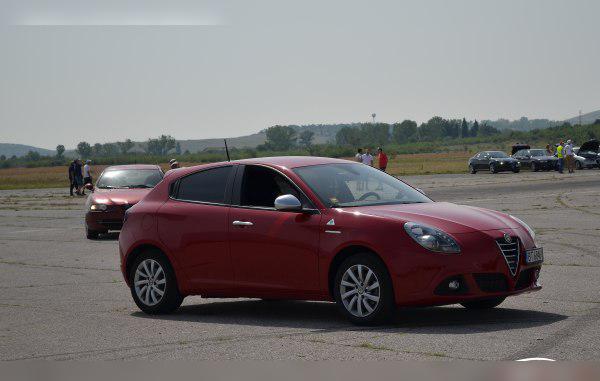
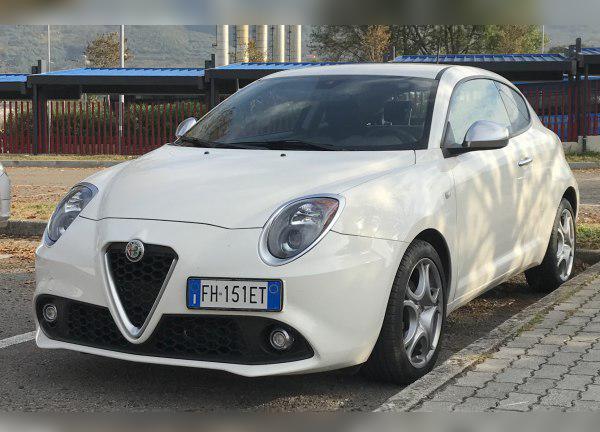
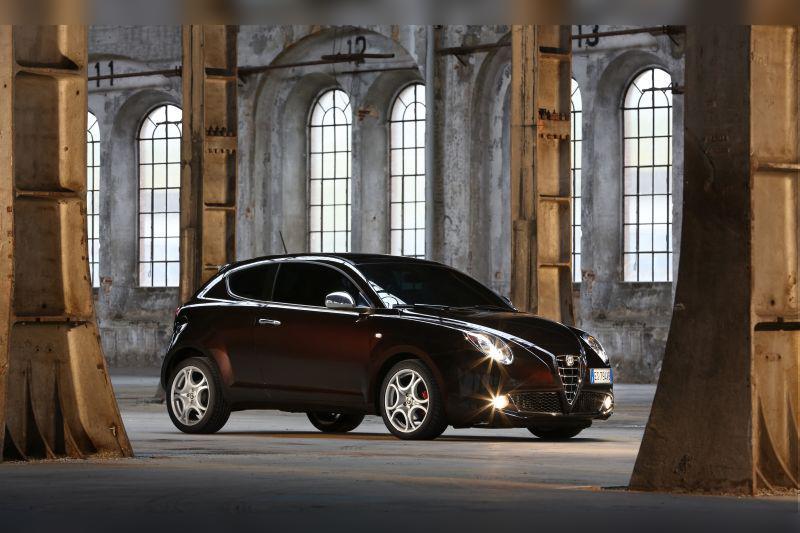
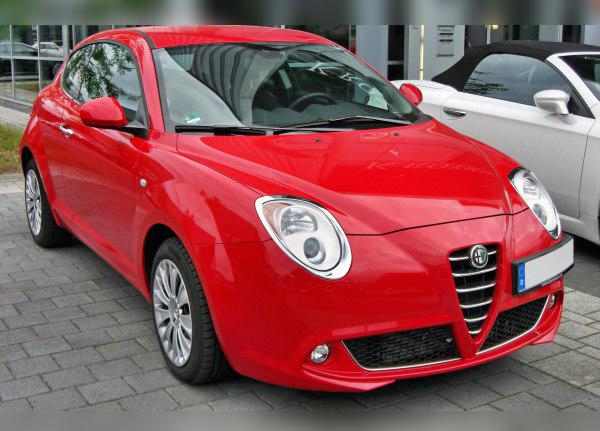
1.4 MultiAir Turbo (940A2000) – Experiences, problems, fuel consumption and buying guide: The heart of the Alfa Giulietta and MiTo
Key points (TL;DR)
- Performance: With 170 hp and 250 Nm, this is one of the most entertaining engines in its class – lively and flexible.
- Achilles' heel: The MultiAir unit. It is sensitive to poor-quality oil and long service intervals. Replacement is expensive.
- Maintenance: Requires strict adherence to the oil specification (Selenia) and regular replacement of the small filter in the MultiAir module.
- Gearboxes: Comes with the reinforced manual C635 or TCT automatic. Both are solid, but the TCT requires specific maintenance of the robot unit.
- Fuel consumption: Moderate on the open road, but in the city it “likes to drink” if driven in Dynamic mode.
- Verdict: An excellent choice for enthusiasts who know how to maintain a car. Avoid examples with unknown service history.
Contents
- Introduction and engine applications
- Technical specifications
- Reliability, failures and maintenance
- Specific parts and injection system
- Fuel consumption and performance
- Gearbox (manual and TCT)
- Additional options (LPG and tuning)
- Buying tips and conclusion
Introduction: More than just a 1.4 engine
The engine with the code 940A2000 is not just another downsized unit. It represents Fiat’s (FPT) revolutionary MultiAir technology. Installed primarily in the Alfa Romeo Giulietta and MiTo (especially in Quadrifoglio Verde / Veloce pre-facelift versions or higher trim levels), this engine uses an electro-hydraulic system to control the intake valves, eliminating the classic intake camshaft.
The result? Better throttle response, more power and lower fuel consumption in theory. In practice, this is the engine that gives Alfa that recognizable character, but it requires an owner who understands mechanics, not just a driver who fills up with fuel and drives.
Technical specifications
| Parameter | Data |
|---|---|
| Displacement | 1368 cc (1.4 L) |
| Power | 125 kW (170 hp) @ 5500 rpm |
| Torque | 230 Nm (Normal) / 250 Nm (Dynamic) @ 2500 rpm |
| Engine code | 940A2000 |
| Injection system | Indirect (MPI) – Port Injection |
| Induction | Turbo (Garrett GT1446), intercooler |
| Valves | 16V (SOHC – single exhaust cam, MultiAir for intake) |
Reliability and maintenance: Where do problems arise?
Timing belt or chain?
This engine uses a timing belt. Although the manufacturer sometimes states optimistic intervals of 120,000 km, real-world experience shows it should be done earlier. The major service is recommended every 4 to 5 years or 60,000–80,000 km (whichever comes first). A snapped belt leads to piston-to-valve contact, which is a catastrophic failure that often economically “writes off” the engine. The water pump must always be replaced together with the belt.
The MultiAir unit – The most common and most expensive problem
The MultiAir module is the heart of this engine, but also its weakest point.
Cause of failure: This module uses engine oil under high pressure to open the intake valves. If the oil is old, of the wrong grade, or if the small micro-filter inside the module becomes clogged, the system fails.
Symptoms: The engine runs on 3 cylinders, shakes at idle, the “Check Engine” light comes on, and it loses power.
Cost: A new unit is very expensive (often over 800–1000 EUR including labor), while repairs rarely hold up well in the long term.
Oil: The engine’s bloodstream
This engine takes about 3.5 liters of oil (with filter). Due to the small sump and the high thermal load from the turbo, the oil degrades quickly.
Recommendation: Use only Selenia K Pure Energy 5W-40 (or an equivalent that meets FIAT 9.55535-S2 specification). For newer Euro 6 models, check whether 0W-30 (Selenia Digitek) is required.
Oil consumption: These engines are known to consume oil. Consumption of 0.3 to 0.5 liters per 1000 km is tolerated if driven hard, but anything above that points to problems with piston rings, valve stem seals or the turbo. Check the dipstick every 500–1000 km!
Specific parts (costs)
Dual-mass flywheel and clutch
Yes, this engine has a dual-mass flywheel, regardless of whether it is paired with a manual or TCT gearbox. With the manual gearbox, the flywheel suffers from city driving and flooring the throttle at low revs. With the TCT it tends to last a bit longer because the computer smooths out shocks, but replacement is more expensive.
Injection system and turbo
The good news is that the 1.4 MultiAir uses indirect injection (MPI). The injectors are robust and rarely cause problems, and they are cheaper to replace/clean than those on engines with direct injection (GDI/JTS).
Turbocharger: It uses a Garrett GT1446. This is a very reliable turbo, significantly more durable than the smaller IHI units on lower-powered models. With regular oil changes, its lifespan easily exceeds 200,000 km without issues. Symptoms of failure include “whistling” noises or blue smoke from the exhaust.
Emissions: DPF and EGR
This is a petrol engine, so it does not have a DPF filter (except for the very latest models that have a GPF, but the 940A2000 in the Giulietta/MiTo generation generally does not). It also does not have a classic problematic EGR valve that clogs with soot. The function of exhaust gas recirculation (internal EGR) is handled by the MultiAir system itself through valve overlap. Fewer parts to fail!
Fuel consumption and performance
Is the engine “lazy”?
Absolutely not. With 170 hp and 250 Nm (in Dynamic mode), the Giulietta and MiTo are quick. The 0–100 km/h sprint is under 8 seconds. Thanks to the turbo’s low inertia, turbo lag is minimal. The engine revs happily and has a sporty sound. On the motorway it easily maintains high cruising speeds.
Fuel consumption
Reality is a bit different from the brochure:
- City driving: Expect 8.5 to 11 l/100 km. The MultiAir is sensitive to driving style – a heavy right foot drastically increases consumption.
- Open road: It can go down to 6–7 l/100 km with normal driving.
- Motorway (130 km/h): In sixth gear the engine spins at about 3000–3200 rpm, and consumption is around 7.5–8 l/100 km.
Gearbox: Manual vs TCT
Manual gearbox (C635)
This is Fiat’s newer-generation 6-speed gearbox. It is much better than the notorious M32 (used in older models).
Most common issues: You may encounter difficulty engaging 1st and 2nd gear when cold (cables or oil), and sometimes the gearbox bearings can start to whine. Changing the gearbox oil (Tutela) every 60,000 km is highly recommended, even though the manufacturer claims it is “lifetime”.
Automatic gearbox (TCT – Twin Clutch Transmission)
The TCT is a dual dry-clutch gearbox (similar to DSG).
Maintenance: It has two types of oil. One for the gears (conventional) and another specific hydraulic oil for the robotized unit (Tutela CS Speed). If the robot runs low on oil or the oil loses its properties, the gearbox can get stuck or shift itself into Neutral.
Clutch kit: Replacing the clutch kit on a TCT gearbox is an expensive job and requires specific calibration using diagnostics.
Additional options and modifications
Can LPG be installed?
Yes, and quite successfully. Since the engine has indirect injection, installation is simpler and cheaper than on direct-injection engines. However, the system must be high-quality (with OBD connection) and perfectly mapped. A poor gas mixture raises combustion temperatures, which can destroy the turbo and valves.
Chiptuning (Stage 1)
This engine responds very well to tuning. A Stage 1 remap increases power to 190–200 hp and torque to nearly 300 Nm. The engine can handle this mechanically without issues, but keep in mind that the clutch and dual-mass flywheel will have a shorter lifespan.
Buying used and conclusion
What to check before buying?
- Engine operation: When cold, listen to the sound. Do you hear knocking or uneven running? This can be a sign of a failing MultiAir unit.
- Leaks: Check the joint between the engine and gearbox (crankshaft seal) and the turbo housing. Also check for coolant leaks at the plastic junctions.
- Service history: If there is no proof that only Selenia oil was used and changed at a maximum of 10–15 thousand km intervals – walk away.
- Start-Stop system: If it doesn’t work, it is often a sign of a weak battery or a faulty neutral position sensor on the gearbox.
Final verdict
The 1.4 MultiAir 170 hp engine is a fantastic engineering achievement that offers a great balance between performance and registration/fuel costs. However, it is not for careless owners. If you buy a neglected example, the MultiAir unit and turbo will take a lot of money out of your pocket.
Who is it for? Drivers who want a sporty feel, are willing to pay for quality oil and regular maintenance, and who will appreciate the sophistication of an Alfa Romeo. If you are looking for a “fill up and drive” car with minimal investment, look at the weaker 1.4 T-Jet (120 hp) without the MultiAir system.
Was this content useful to you?
Your opinion helps us to improve the quality of the content.