DV6FD Engine
- Engine
- 1560 cm3
- Aspiration
- Turbocharger, Intercooler
- Fuel
- Diesel
- Fuel injection system
- Diesel Commonrail
- Power
- 99 hp @ 3750 rpm
- Torque
- 254 Nm @ 1750 rpm
- Cylinders
- 4
- Valves
- 16, 4 per cylinder
- Cylinders position
- Inline
- Oil capacity
- 3.75 l
- Coolant
- 6 l
- Systems
- Particulate filter
# Vehicles powered by this engine
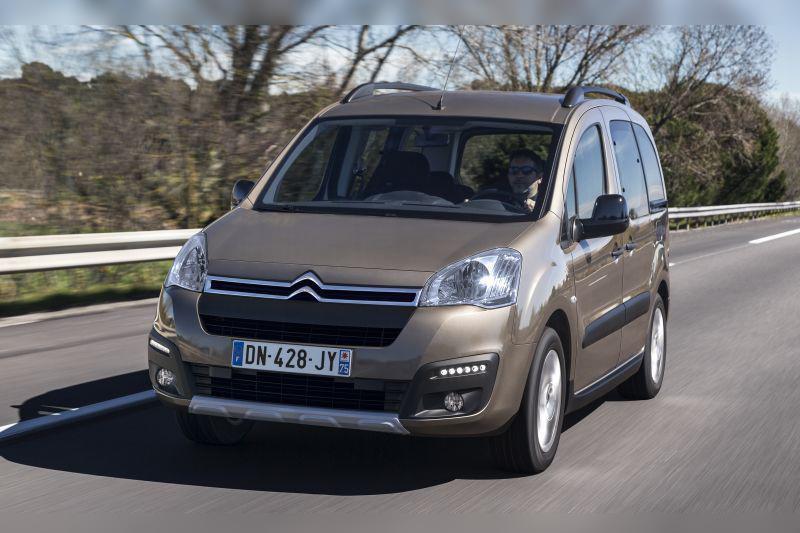
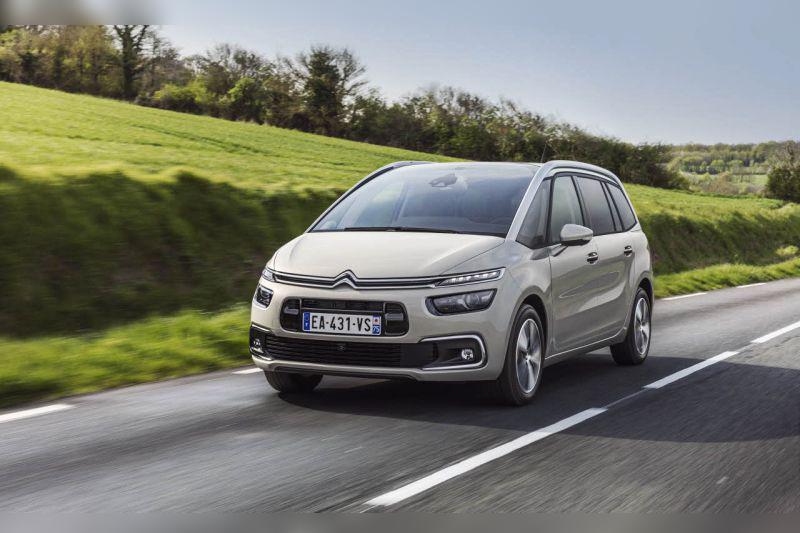
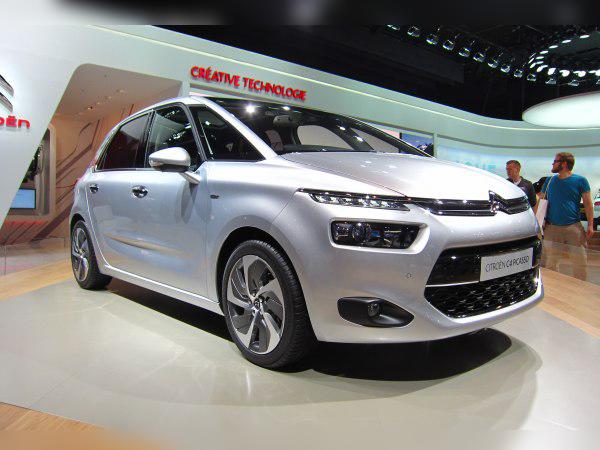
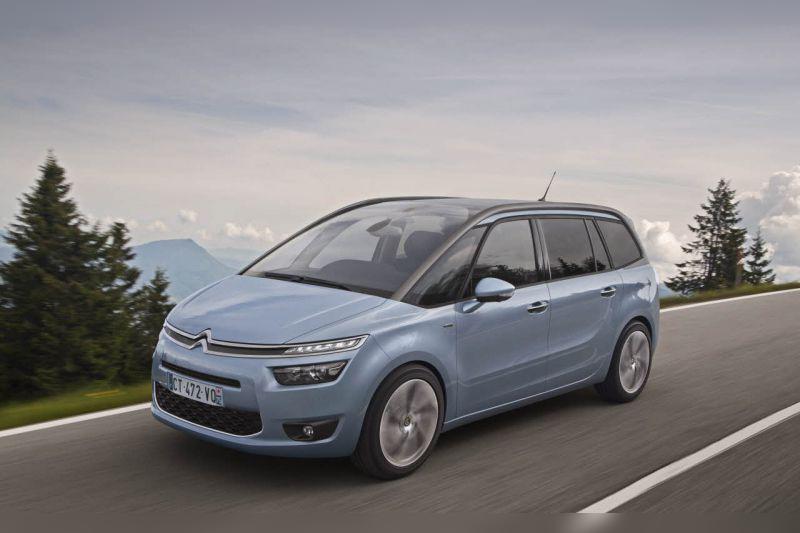

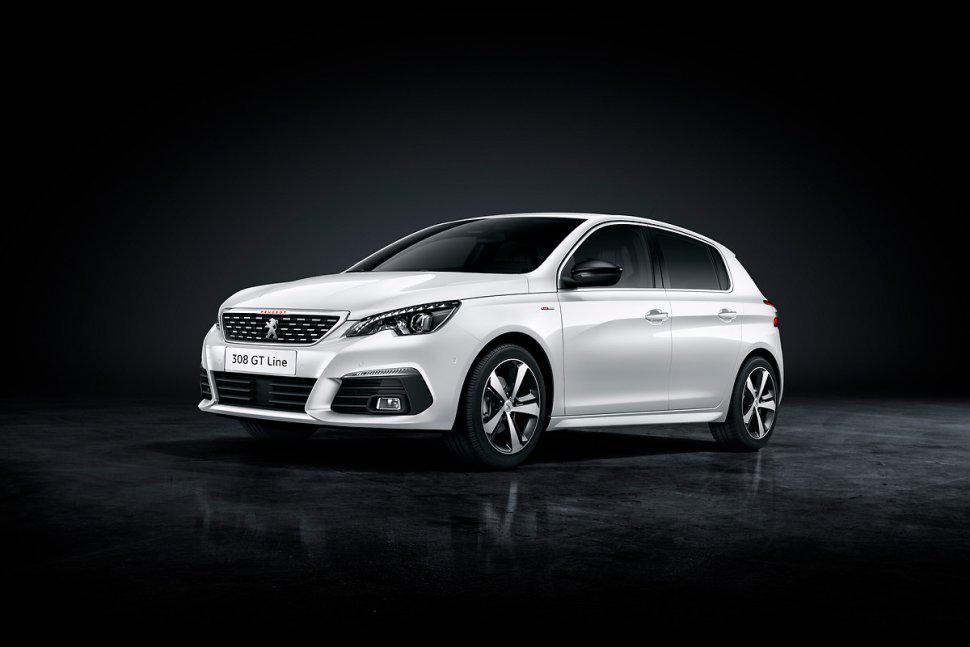
1.6 BlueHDi 100 (DV6FD): Experiences, problems, fuel consumption and buying used
If you are looking for a modern diesel engine from the PSA group (Peugeot, Citroën) produced after 2014, you will almost certainly come across the BlueHDi label. Specifically, the DV6FD variant with 99 hp (often rounded to 100 hp) represents the “golden middle” – it is the successor to the famous 1.6 e-HDi engine, but with stricter Euro 6 standards.
This is an engine designed to satisfy environmental standards, but does it satisfy drivers as well? In this text we will go through all the technical details, weaknesses (especially the expensive ones related to AdBlue) and real maintenance costs. I’m writing this from the perspective of someone who has seen hundreds of these engines on a lift.
Key points in short (TL;DR)
- AdBlue system (UREA): The biggest issue with this engine. The AdBlue tank and pump often fail, and repairs are expensive (frequently require replacing the entire tank).
- Fuel consumption: Extremely low consumption. One of the most economical diesels in its class.
- Design: 8 valves (8v) – a much more reliable cylinder head than on the old 16v versions.
- ETG gearbox: Avoid the robotized gearbox (ETG) if possible; it is jerky and spoils the driving experience. Manual gearboxes are excellent.
- Sensitivity to oil: Strictly requires 0W-30 with PSA B71 2312 specification. Wrong oil will quickly clog the DPF.
- Recommendation: An excellent choice for those who drive a lot of kilometers, provided the AdBlue system is in good condition or has been properly repaired.
Contents
- Technical specifications
- Reliability and maintenance
- Specific parts and costs
- Fuel consumption and performance
- Gearbox: manual vs automatic
- Additional options and tuning
- Buying used and conclusion
Technical specifications
| Parameter | Value |
| Engine code | DV6FD |
| Displacement | 1560 cc (1.6 liters) |
| Power | 73 kW / 99 hp (often rounded to 100 hp) |
| Torque | 254 Nm at 1750 rpm |
| Configuration | Inline 4-cylinder, 8 valves (SOHC) |
| Injection | Common Rail (Bosch or Continental), piezo injectors |
| Charging | Turbocharger (VGT - variable geometry) + intercooler |
| Emissions | Euro 6, DPF, SCR (AdBlue) |
Reliability and maintenance
Does this engine have a timing belt or a chain?
The 1.6 BlueHDi engine uses a timing belt to drive the camshaft. This is a classic solution for the PSA group. However, it is important to note that although it has a belt, there is also a small chain that connects the two camshafts (on 16v versions), but since the DV6FD is an 8-valve engine (single camshaft), the design is simplified and that risk is eliminated, which makes it significantly more robust than the older 1.6 HDi 16v predecessors.
At what mileage should the major service be done?
The factory recommendation is very optimistic: 175,000 km or 10 years. As an experienced editor and someone who listens to mechanics, I advise you to ignore that. A realistic and safe interval for a major service (replacement of belt, tensioner, water pump) is between 120,000 km and 140,000 km or after 6–7 years. Rubber ages, and the risk of belt failure leads to engine damage that is far more expensive than the service itself.
What are the most common failures on this engine?
This engine is mechanically very durable (a “bulletproof” bottom end), but the peripherals cause problems:
- AdBlue tank: This is an epidemic on BlueHDi engines. The urea pump is integrated into the tank, and the electronics or the pump itself often fail. A common symptom is the “UREA” warning light and a countdown of kilometers until the engine will no longer start. Often the entire tank has to be replaced, which is very expensive.
- Oil leaks: At the valve cover or crankshaft seals, although less frequently than on older models.
- Injector electronics: Although the injectors themselves are good, connectors and wiring can sometimes cause contact issues.
How many liters of oil does it take and which grade?
The engine takes approximately 3.75 to 3.8 liters of oil (with filter). There is no compromise here: MANDATORY 0W-30 with PSA B71 2312 specification. This oil is “Low SAPS” (low ash content) and is crucial for the survival of the DPF filter and proper operation of the Start&Stop system. Using 5W-30 or 10W-40 will drastically shorten the DPF’s lifespan.
Does it consume oil and how long do the injectors last?
In general, the DV6FD does not consume oil in significant quantities between services if the engine is healthy. Consumption up to 0.5 L per 10,000 km can be considered acceptable, but most owners do not top up any oil between services.
As for the injectors, the system is usually Continental or Bosch. They have proven to be very durable and often last over 250,000 km without overhaul, provided you use quality fuel. They are sensitive to water in the fuel, so replace the fuel filter regularly (every 20–30 thousand km, not at 60 as the factory suggests).
Specific parts (costs)
Does the engine have a dual-mass flywheel?
The answer is: It depends on the gearbox and vehicle model.
- On Peugeot 308 models with a 5-speed manual gearbox, a solid flywheel is often fitted, which makes maintenance cheaper.
- On heavier vehicles such as Citroën C4 Picasso / Grand Picasso or Berlingo, as well as on models with a Start&Stop system that requires faster cranking, a dual-mass flywheel is more common to reduce vibrations.
The safest way to check is via the VIN in a parts store. If it has a dual-mass flywheel, the price of the clutch kit with flywheel is in the “moderately expensive” range.
Turbocharger, DPF, EGR and AdBlue
Turbocharger: The engine uses a variable-geometry turbo. It is very reliable if the oil is changed on time (max every 15,000 km). There are no chronic issues with cracking housings.
DPF and EGR: DPF filters on PSA engines (FAP) are among the best on the market because they use an additive (Eolys) for easier regeneration. However, city driving will inevitably clog it. The EGR valve can get dirty; symptoms are loss of power and “stuttering” at low revs.
AdBlue (SCR): As mentioned, this is the weak point. The system requires regular topping up of AdBlue fluid. If the system fails (pump or heater in the tank), the cost is high because aftermarket parts are hard to find; you mostly have to buy original parts or resort to software disabling (AdBlue off), which is not legal but is often seen in practice.
Fuel consumption and performance
Real-world fuel consumption and “sluggishness”
This is the strongest selling point of this engine.
City driving: Expect between 5.5 and 6.5 l/100 km, depending on traffic and how heavy your right foot is. A Berlingo will be closer to 7 due to its “brick” aerodynamics.
Open road: It can go down to an impressive 4.0–4.5 l/100 km on country roads.
Motorway (130 km/h): Around 5.5–6.0 l/100 km.
Is it sluggish? In the Peugeot 308 the engine is perfectly adequate and feels lively thanks to its 254 Nm. In a Citroën Grand C4 Picasso or a fully loaded Berlingo, the lack of power is noticeable when overtaking or on uphill sections. For relaxed family driving it is adequate, but don’t expect sporty performance.
Motorway cruising
Since most of these models (especially the Berlingo and lower trim 308s) come with a 5-speed gearbox, at 130 km/h the engine runs at slightly higher revs, usually around 2,600–2,800 rpm. This increases cabin noise. Models with a 6-speed gearbox are significantly quieter and more relaxed on the motorway.
Additional options and modifications
LPG conversion and chip tuning
Chip tuning (Stage 1): This engine is a software “detuned” version of its 120 hp sibling. Because of that, it responds very well to remapping. A safe Stage 1 can raise power to around 120–130 hp and torque to nearly 300 Nm. This drastically changes the character of the vehicle, especially on heavier Picassos or Berlingos. However, check the condition of the clutch beforehand, as the higher torque will wear the clutch disc faster.
Gearbox: manual, EAT6 or ETG?
There are three types of gearboxes paired with this engine, and the difference is huge:
- Manual (5 or 6 speeds): The most common choice. Shift precision is average (typical French “rubbery” feel), but they are reliable. Regular gearbox oil changes every 80,000–100,000 km are recommended.
- ETG (robotized): This is not a true automatic, but a manual gearbox operated by a robot. It often makes the car “nod” during gear changes, is slow and can be unpleasant in city driving. Actuator failures and faster clutch wear are common. Avoid if you value comfort.
- EAT6 (true automatic): Japanese Aisin torque-converter automatic. An excellent gearbox, smooth and reliable, but less commonly paired with the 99 hp version (more often with the 120 hp one).
Buying used and conclusion
Before buying a car with the DV6FD engine, make sure you do the following:
- AdBlue system diagnostics: Check for any fault codes related to urea pressure or the pump. Ask the seller if the tank has been replaced.
- Cold start: Listen to the engine. It should run smoothly immediately after starting. Metallic noises may indicate problems with valve lifters or injectors.
- VIN check: To know exactly whether it has a dual-mass flywheel.
- Service history: Check at what intervals the oil was changed. If the interval was 30,000 km (LongLife), be cautious – that is too long for the turbo and piston rings.
Conclusion
The 1.6 BlueHDi 99 hp engine is a very rational choice. It offers an excellent balance between low fuel consumption and sufficient power for the average driver. It is mechanically more reliable than its predecessor, and if you find a car with a sorted AdBlue system (or you are ready to accept that risk), you will get a loyal and economical vehicle. For the Berlingo and Picasso it is “just right”, and for the 308 it is an excellent match.
Was this content useful to you?
Your opinion helps us to improve the quality of the content.