K9K 626 Engine
- Engine
- 1461 cm3
- Aspiration
- Turbocharger, Intercooler
- Fuel
- Diesel
- Fuel injection system
- Diesel Commonrail
- Power
- 75 hp @ 4000 rpm
- Torque
- 200 Nm @ 1750 rpm
- Cylinders
- 4
- Valves
- 8, 2 per cylinder
- Cylinders position
- Inline
- Valvetrain
- SOHC
- Oil capacity
- 4.5 l
- Coolant
- 4.5 l
- Systems
- Start & Stop System, Particulate filter
# Vehicles powered by this engine
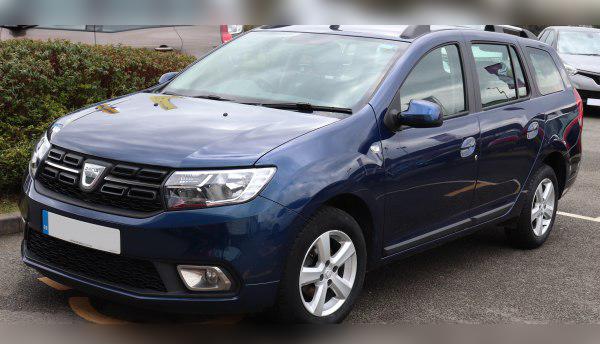

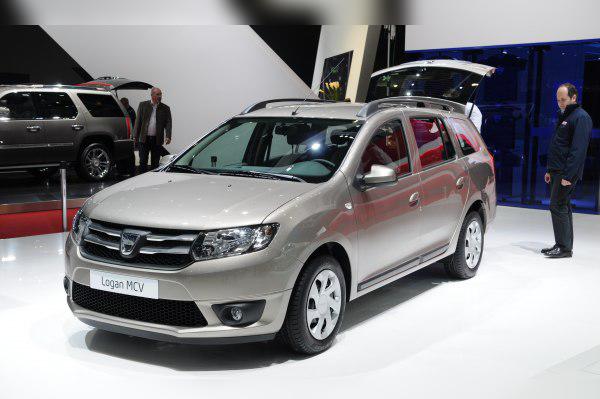
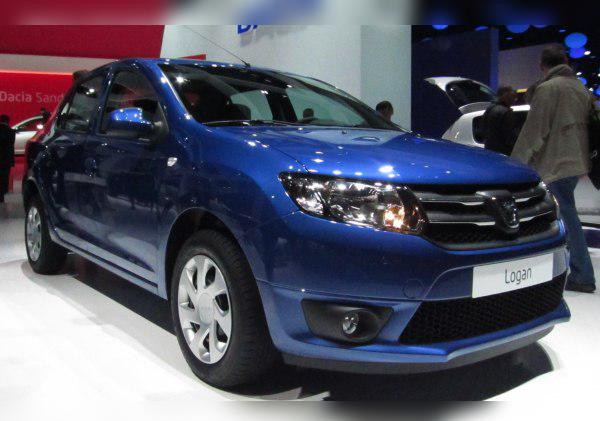
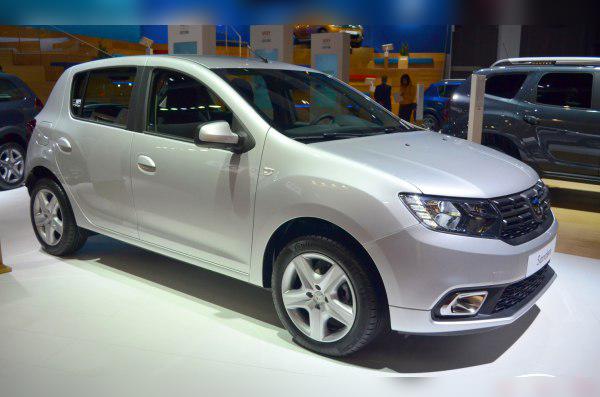
1.5 dCi Engine (K9K 626) – Experiences, Problems, Fuel Consumption and Buying Tips
Key points (TL;DR)
- Biggest advantage: Extremely low fuel consumption and cheap regular maintenance.
- Flywheel: This 75 hp (Euro 6) version most often does not have a dual-mass flywheel, which drastically reduces clutch replacement costs.
- Reliability: The K9K in its 626 generation has outgrown the “childhood diseases” of older 1.5 dCi engines (such as Delphi pumps). The injection system is now very reliable.
- Performance: With 75 hp the engine is adequate for city and country roads, but it lacks power for overtaking on the motorway, especially when the car is loaded.
- Emissions: It has a DPF filter and Start&Stop system. It is sensitive to exclusively city driving (risk of DPF clogging).
- Gearbox: It lacks a 6th gear for more comfortable motorway driving.
Contents
- Introduction and applications
- Technical specifications
- Reliability and maintenance
- Specific parts (prices and durability)
- Fuel consumption and performance
- Additional options and modifications
- Gearbox
- Used-car buying guide and conclusion
Introduction and applications
The engine with internal code K9K 626 is an evolution of one of the most-produced diesel engines in the world – Renault’s 1.5 dCi. Specifically, this 75 hp (55 kW) version is the entry-level diesel option for second-generation Dacia models (Logan and Sandero, including the 2016+ facelift models).
This powerplant is “bread and butter” for taxi drivers and fleet buyers across Europe. Why? Because it offers an incredible balance between durability and running costs. Although 75 horsepower sounds modest by today’s standards, the 200 Nm of torque makes it surprisingly lively in city conditions. Still, this is not a racing engine, but a tool for economical driving from point A to point B.
Technical specifications
| Specification | Value |
|---|---|
| Engine displacement | 1461 cc (1.5 litres) |
| Power | 55 kW (75 hp) at 4000 rpm |
| Torque | 200 Nm at 1750 rpm |
| Engine code | K9K 626 (Euro 6b) |
| Injection type | Common Rail (Bosch solenoid injectors) |
| Induction | Turbocharger + intercooler |
| Valvetrain | 8 valves (SOHC) |
| Emissions equipment | FAP (DPF) filter, Start&Stop system |
Reliability and maintenance
Timing belt or chain?
The 1.5 dCi (K9K 626) uses a timing belt for valve timing. This is a classic solution that is quieter than a chain, but requires regular replacement.
Major service (timing belt service)
The factory recommendation for replacing the timing belt, tensioner and water pump is often optimistic (sometimes up to 150,000 km or 6 years), but in practice – especially with aftermarket parts – an interval of 100,000 km to 120,000 km or 5 years (whichever comes first) is recommended. A snapped belt leads to catastrophic engine failure (piston-to-valve contact), so prevention is crucial. The cost of a full timing service falls into the “affordable” category.
Oil and oil consumption
The engine takes approximately 4.5 litres of oil (always buy 5L). Due to the presence of a DPF (FAP) filter, it is mandatory to use oil that meets the RN0720 specification. This is most often a 5W-30 grade (Low SAPS oil with low sulfated ash content).
Oil consumption: A healthy K9K 626 should not consume oil to the extent that you need to top up between services (up to 0.5L per 10,000 km is tolerated). If it uses more, this may indicate a problem with the turbocharger or piston rings, although this engine is known for being “dry” and not burning oil if properly maintained.
Most common issues
Although this is a very reliable engine, pay attention to the following:
- Exhaust gas temperature sensors: A common issue that triggers the “Check Engine” light and can prevent DPF regeneration.
- Thermostat housing: It is made of plastic and can crack over time, leading to coolant leaks.
- Intercooler hoses: They can crack due to age and vibration, resulting in a hissing sound under throttle and loss of power.
- Start&Stop system: Requires specific (and more expensive) AGM or EFB batteries. If the system is not working, it is often just a weak battery.
Specific parts (costs)
Dual-mass flywheel
Good news! The 75 hp version (K9K 626) in Dacia models uses a solid (single-mass) flywheel in 99% of cases. This is a huge advantage for used-car owners because it eliminates one of the most expensive failures on modern diesels. The clutch is conventional and replacement is relatively cheap.
Injection system
This engine generation uses a Bosch injection system (electromagnetic injectors), which is far more reliable than the notorious Delphi system from the early 2000s. The injectors are durable and can easily exceed 250,000 km without issues, provided quality fuel is used and the fuel filter is changed regularly (every 30,000 km or more often). Bosch injectors can be overhauled and prices are moderate.
Turbocharger
The engine has a single turbocharger. On the 75 hp version it is often of simpler design (without variable geometry or with a simpler variant), which makes it robust. Its lifespan is usually equal to the engine’s lifespan, provided you respect cold-start rules and allow it to cool down after fast driving.
DPF and EGR
Yes, this engine has both an EGR valve and a DPF (FAP) filter.
- EGR valve: Prone to soot build-up, which causes jerking and smoke. Cleaning solves the problem in most cases.
- DPF filter: It is located close to the engine, which helps it heat up faster. However, Dacia Logan/Sandero models are often driven exclusively in the city (taxi duty). If used only on short trips, the DPF will not regenerate and will clog. The symptom is “safe mode” (loss of power) and a warning light on the dashboard. Once a month, take the car out on an open road (3000 rpm for 15–20 minutes) to allow the filter to regenerate.
Fuel consumption and performance
Real-world fuel consumption
This is the strongest selling point of this engine.
- City driving: Expect between 4.5 and 5.5 l/100 km. Even in heavy traffic it rarely exceeds 6 litres.
- Open road (country roads): It is possible to bring consumption down to an incredible 3.5–4.0 l/100 km.
- Motorway (130 km/h): Due to the lack of a 6th gear and the poorer aerodynamics of the Logan MCV, consumption jumps to around 5.5–6.5 l/100 km.
Is the engine “sluggish”?
For the body weight of a Logan or Sandero (which is relatively low, around 1100 kg), the engine is not sluggish in the city. The 200 Nm of torque is available low down, so the car pulls nicely away from traffic lights. However, the situation changes when the car is loaded (passengers + luggage) or on uphill sections. Then the lack of horsepower becomes noticeable. You will need to use the gearbox more often and shift down to maintain pace.
Behaviour on the motorway
This is not an Autobahn cruiser. At 130 km/h the engine spins at around 2600–2800 rpm (depending on gearbox and tyre size). Cabin noise becomes noticeable (Dacia’s sound insulation is modest), and the power reserve for overtaking at that speed is minimal. The most comfortable cruising speed is up to 110–120 km/h.
Additional options and modifications
LPG conversion
No. If you want LPG, look for petrol engines (0.9 TCe or 1.0 SCe).
Remap (Stage 1)
Yes, this engine is very suitable for remapping. The K9K 626 is mechanically very similar (often identical in block and head) to the 90 hp versions.
- Potential: It can safely be raised to 95–105 hp and around 240–250 Nm.
- Result: The car becomes completely different, coping more easily with air conditioning and overtaking. Since it does not have a dual-mass flywheel, the risk to the transmission is small if driven sensibly, but you should be aware that higher torque will wear the clutch disc faster.
Gearbox
Manual and automatic gearboxes
The 75 hp version almost exclusively comes with a 5-speed manual gearbox (JR5 or similar codes). There is a robotised gearbox called Easy-R, but it was more often fitted to the 90 hp version or petrol engines. If you do come across an Easy-R with this engine – be cautious, it is not a true automatic but a robotised manual gearbox that can be jerky and slow.
Gearbox issues
The manual gearboxes in Dacias are robust, but not particularly precise (the gear lever has a “rubbery” feel).
- Failures: Mechanical gear failures are rare. Most often the shift cables fail (difficult gear engagement) or oil leaks from the driveshaft oil seal.
- Oil change: Although the manufacturer often states that the oil is “lifetime fill”, it is recommended to change the gearbox oil every 80,000–100,000 km. Use ELF Tranself oils recommended for Renault gearboxes (75W-80).
- Clutch price: As mentioned, the clutch kit is cheap because there is no dual-mass flywheel. Replacement (kit + labour) falls into the “very affordable” category by European standards.
Used-car buying guide and conclusion
What to check before buying?
- Engine sound: A cold engine must run smoothly. Metallic rattling may indicate injector problems.
- Smoke: Under sudden throttle there should be no black smoke (poor combustion, injectors, EGR) nor blue smoke (oil consumption, turbo). The exhaust tip should be relatively clean (greyish), not sooty, because the DPF should be trapping the soot.
- Mileage: These cars are often used as company vehicles or taxis. Check the condition of the interior (steering wheel, pedals, driver’s seat) – if the car looks “like new” with 150,000 km, it was probably driven mostly on open roads, which is good. If it is worn out but has “only” 100,000 km, suspect mileage rollback or heavy city use.
- Air conditioning: A/C condensers often fail because they are exposed to stone chips at the front of the vehicle.
Final verdict
K9K 626 (1.5 dCi 75 hp) is a champion of rationality. It is not fun to drive, it is not fast, and when cold it sounds like a piece of farm machinery. But it will carry you thousands of kilometres for a minimal amount of money. It is ideal for drivers who cover a lot of distance, taxi drivers, families on a tight budget and anyone for whom a car is simply a means of transport, not a status symbol. If you need a car for frequent motorway trips, look for the 90 hp or 110 hp versions (in other Renault models) because of the 6th gear, but for everything else – 75 hp is “all you really need”.
Was this content useful to you?
Your opinion helps us to improve the quality of the content.