MUDA, MUDD Engine
- Engine
- 1596 cm3
- Aspiration
- Naturally aspirated engine
- Fuel
- Petrol / Ethanol - E85
- Fuel injection system
- Multi-port manifold injection
- Power
- 120 hp @ 6300 rpm
- Torque
- 159 Nm @ 4000 rpm
- Cylinders
- 4
- Valves
- 16, 4 per cylinder
- Cylinders position
- Inline
- Valvetrain
- DOHC
- Oil capacity
- 4.1 l
- Coolant
- 5.8 l
# Vehicles powered by this engine
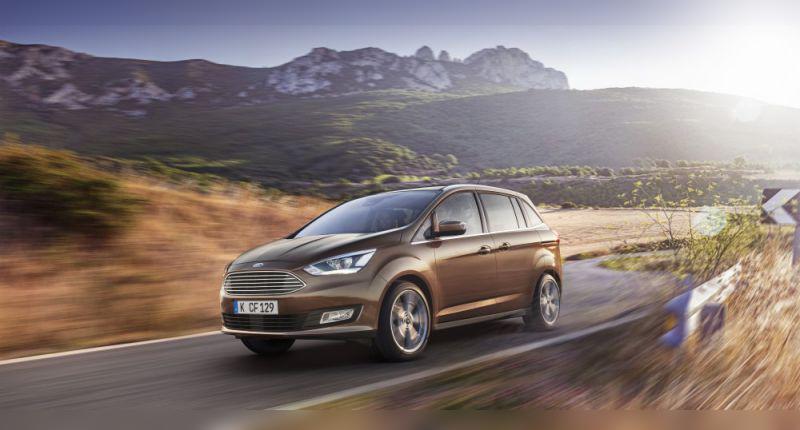
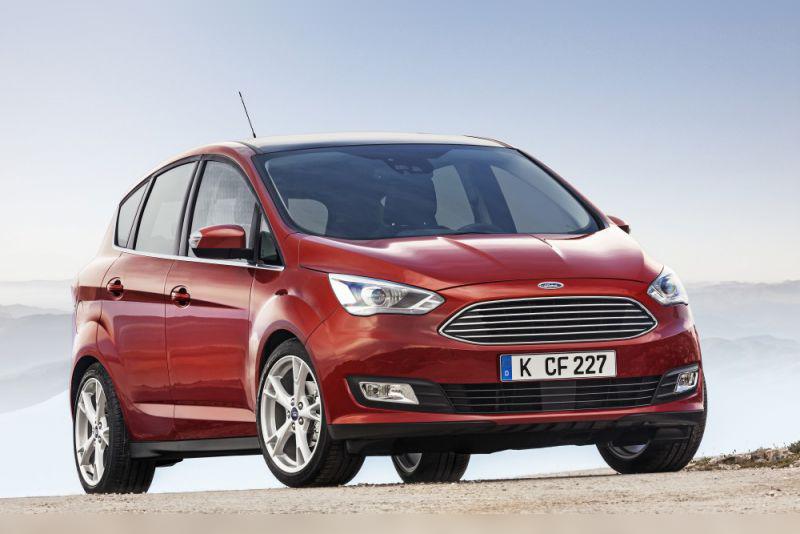
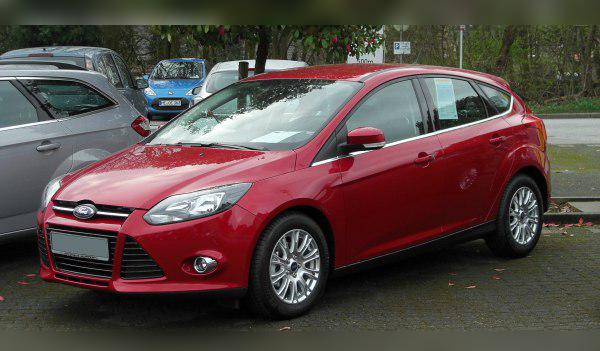
Ford 1.6 Ti-VCT (MUDA, MUDD) 120 HP – Experiences, problems, fuel consumption and used-car buying tips
Key points (TL;DR)
- Old-school with modern problems: This is a naturally aspirated engine that is generally reliable, but the variable valve timing system (Ti-VCT) can be expensive to repair.
- Ideal base for LPG: Thanks to factory preparation for E85 (Flex Fuel), the valves and valve seats are reinforced, which makes it a perfect candidate for LPG installation.
- Performance in heavy bodies: In the Focus it’s acceptable, but in the 7‑seater Grand C-MAX it feels sluggish and needs high revs.
- The gearbox is its Achilles’ heel: It often comes with a 5-speed manual gearbox that really needs a sixth gear for motorway driving.
- No expensive systems: No turbocharger, no dual-mass flywheel, no DPF filter. Maintenance is generally affordable.
- Fuel consumption: In the city it likes to “drink”, especially when the vehicle is loaded.
Contents
- Introduction and engine applications
- Technical specifications
- Reliability and maintenance
- Specific parts and costs
- Fuel consumption and performance
- Additional options and modifications
- Gearbox and drivetrain
- Buying used and conclusion
Introduction and engine applications
The engines with codes MUDA and MUDD are an evolution of Ford’s well-known 1.6 naturally aspirated petrol unit. What sets these specific codes apart is their Flex Fuel designation. This means they were factory-designed to run on a mixture of petrol and ethanol (E85), a fuel that is popular in certain parts of Europe and Scandinavia.
They were installed in the facelifted Ford C-MAX and Grand C-MAX models (from 2015 onwards), as well as in the third-generation Focus. Although 120 horsepower looks decent on paper, it’s important to understand that this engine struggles with the fairly heavy bodies of modern MPVs, which directly affects the driving experience.
Technical specifications
| Parameter | Data |
|---|---|
| Engine displacement | 1596 cc (1.6 litres) |
| Power | 88 kW (120 HP) at 6300 rpm |
| Torque | 159 Nm at 4000 rpm |
| Engine codes | MUDA, MUDD (Flex Fuel variants) |
| Injection type | MPI (Multi-Point Injection) – Indirect |
| Aspiration | Naturally aspirated |
| Number of cylinders / valves | 4 cylinders / 16 valves |
Reliability and maintenance
Timing belt or chain?
This engine uses a timing belt. Although Ford often quotes optimistic replacement intervals (sometimes up to 160,000 km or 8–10 years), real-world experience shows that this is risky.
Recommendation: Do the major service every 100,000 to 120,000 km or every 6 to 7 years, whichever comes first. A snapped belt on this engine will cause piston-to-valve contact, which means catastrophic engine damage.
Most common failures
Although the core of the engine (block and head) is very durable, the peripherals can cause issues:
- Ti-VCT system (variable cam phaser): This is the most common and most expensive weakness. The system that controls valve timing gets dirty or wears out over time. Symptoms: Rattling on cold start (a diesel-like sound), loss of low-end power and an illuminated “Check Engine” light.
- Ignition coils and leads: They often fail, causing rough running and misfires.
- Oil leaks from the valve cover: The valve cover gasket often fails, so oil can leak directly into the spark plug wells, shortening the life of the ignition coils.
- Lambda (oxygen) sensors: Since MUDA/MUDD engines are Flex Fuel, the exhaust gas control system is more sensitive. A failed sensor leads to increased fuel consumption.
Oil: quantity and grade
The engine takes approximately 4.1 litres of engine oil (including the filter). It is recommended to strictly follow Ford’s specifications. Most commonly used is 5W-30 (Ford specification WSS-M2C913-C/D) or the newer 5W-20 (WSS-M2C948-B) to reduce friction.
Oil consumption
These engines are generally “dry” and should not consume significant amounts of oil between services if in good condition. Consumption up to 0.5 litres per 10,000 km can be considered acceptable. If it uses more (e.g. a litre every few thousand km), this usually points to a problem with the valve stem seals (a common issue on older units) or piston rings.
Spark plugs
Spark plugs should be replaced every 40,000 to 60,000 km. However, on Flex Fuel engines (if you actually run E85, which is rare), the interval should be shortened by about 30%. Use only platinum or iridium-tipped spark plugs specified for this engine type.
Specific parts (costs)
Dual-mass flywheel
Good news: 1.6 Ti-VCT engines combined with a manual gearbox in 99% of cases have a solid (single-mass) flywheel. This makes clutch replacement much cheaper. Still, always check by VIN, as some specific C-MAX series may have variations, but that is the exception rather than the rule.
Fuel injection system and injectors
It uses conventional MPI (Multi-Point Injection) into the intake manifold. The injectors are very robust, cheap to clean and rarely fail. They are not as sensitive to fuel quality as injectors on direct injection engines (GDI/Ecoboost).
Turbo, DPF, EGR, AdBlue
- Turbo: None. This is a naturally aspirated engine. Fewer parts to fail, but also less torque.
- DPF (particulate filter): None. This is a petrol engine.
- EGR valve: There is an exhaust gas recirculation system, but on petrol engines it clogs far less often than on diesels. If it does clog, cleaning is usually sufficient.
- AdBlue: None.
Costs: Overall maintenance of this engine falls into the category: Not expensive to Moderately expensive (if the Ti-VCT phaser fails). (Depends on the market.)
Fuel consumption and performance
Real-world city consumption
Don’t expect miracles. This is an old-school engine in a heavy body.
- Ford Focus: 8.0 – 9.5 l/100 km.
- Ford C-MAX / Grand C-MAX: 9.0 – 11.0 l/100 km.
In winter conditions and on short trips, fuel consumption in the Grand C-MAX easily exceeds 11 litres of petrol.
Is the engine “lazy”?
Yes, quite. With only 159 Nm of torque available high up (at 4000 rpm), this engine struggles with the weight of the Grand C-MAX, especially when the car is full of passengers and luggage. For overtaking you need to drop one or even two gears and rev the engine above 4500 rpm, which results in a lot of noise.
Motorway driving
The lack of a sixth gear is most obvious here. At 130 km/h, the engine spins at around 3800 to 4000 rpm (depending on tyre size). This means the cabin is noisy and fuel consumption on the open road rises to about 7.5 – 8.5 l/100 km.
Additional options and modifications
LPG installation
This is the biggest advantage of MUDA/MUDD engines. Since they are factory “Flex Fuel” (designed for E85 ethanol, which is more aggressive and has a lower calorific value), these engines have reinforced valve seats and valves. This makes them far more resistant to the higher combustion temperatures of LPG than standard petrol engines. There is no need to install additional valve lubrication systems.
Remapping (Stage 1)
On naturally aspirated engines, chip tuning is basically a waste of money. You might gain 3–5 HP and a barely noticeable improvement in throttle response, but you won’t feel any real performance improvement. It’s better to invest that money in quality tyres or regular servicing.
Gearbox
Types of gearboxes
With this engine (120 HP version) you most commonly get a 5-speed manual gearbox (IB5 model). In some rare variants you may find a Powershift automatic, but it is more common with more powerful versions or diesels.
Gearbox failures
- Manual (IB5): This gearbox is at the limit of its durability in the heavy C-MAX. It is known for problems with differential bearings and second-gear synchros. If you hear a whining noise that increases with speed, that’s a warning sign. Also, the shift linkage can develop play, making gear changes imprecise.
- Automatic (Powershift): If you come across a car with a Powershift gearbox (dry clutch), avoid it. These gearboxes are notorious for mechatronic unit failures and premature clutch wear, and repairs are extremely expensive.
Gearbox servicing
Although the manufacturer often claims the oil in the manual gearbox is “lifetime fill”, it is recommended to change it every 80,000 to 100,000 km. It uses 75W-90 oil (check the exact Ford specification). The cost of replacing the clutch kit (without flywheel) is moderate – we would classify it as “affordable” (depends on the market).
Buying used and conclusion
Before buying a car with this engine, make sure you do the following:
- Cold start: Insist that the engine is completely cold. Start it and listen. If you hear metallic rattling or a “diesel” sound in the first 2–5 seconds, the variable cam phasers (Ti-VCT) are due for replacement.
- Test drive under load: Turn on the air conditioning, take another person with you and find an uphill stretch. If the car barely pulls, that’s its reality – ask yourself if that suits your needs.
- Diagnostics: Check for fault codes related to camshaft position and catalytic converter efficiency.
Conclusion:
The Ford 1.6 Ti-VCT (MUDA/MUDD) is an engine for drivers who want simplicity, low running costs and plan to install LPG. It is ideal for those who drive calmly and don’t cover huge motorway mileages. It is not for people who want effortless overtaking or often drive a fully loaded car on long journeys, especially in the Grand C-MAX body.
Was this content useful to you?
Your opinion helps us to improve the quality of the content.