T1DA, T1DB Engine
- Engine
- 1560 cm3
- Aspiration
- Turbocharger, Intercooler
- Fuel
- Diesel
- Fuel injection system
- Diesel Commonrail
- Power
- 115 hp @ 3600 rpm
- Torque
- 270 Nm @ 1750 rpm
- Cylinders
- 4
- Valves
- 8, 2 per cylinder
- Cylinders position
- Inline
- Valvetrain
- DOHC
- Oil capacity
- 3.8 l
- Coolant
- 7.3 l
- Systems
- Start & Stop System
# Vehicles powered by this engine


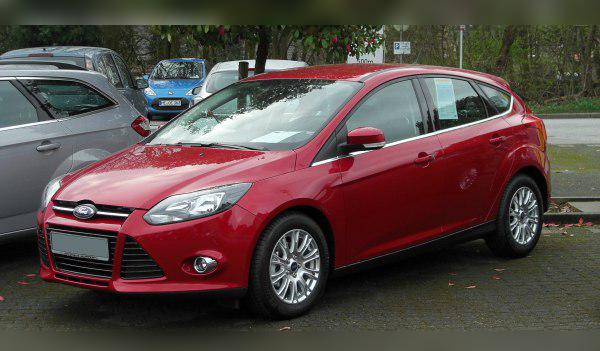

Ford 1.6 TDCi (T1DA/T1DB) – Experiences, problems, fuel consumption and used car buying guide
Key points (TL;DR)
- Major reliability improvement: This is the 8-valve (SOHC) version, which solved many turbo lubrication issues that plagued the older 16V versions.
- Fuel economy: Extremely low fuel consumption, among the best in its class.
- Dual-mass flywheel: Present and represents a significant maintenance cost at higher mileages.
- Injectors: Sensitive to poor-quality fuel, but generally more durable than on older models. Check the injector copper washers.
- DPF filter: Does not like exclusively city driving; requires regular runs on open roads.
- Recommendation: An excellent choice for drivers who cover a lot of mileage, especially in the Focus estate.
Contents
- Introduction and applications
- Technical specifications
- Reliability and maintenance
- Specific parts and costs
- Fuel consumption and performance
- Additional options and modifications
- Gearbox and drivetrain
- Buying used and conclusion
Introduction and applications
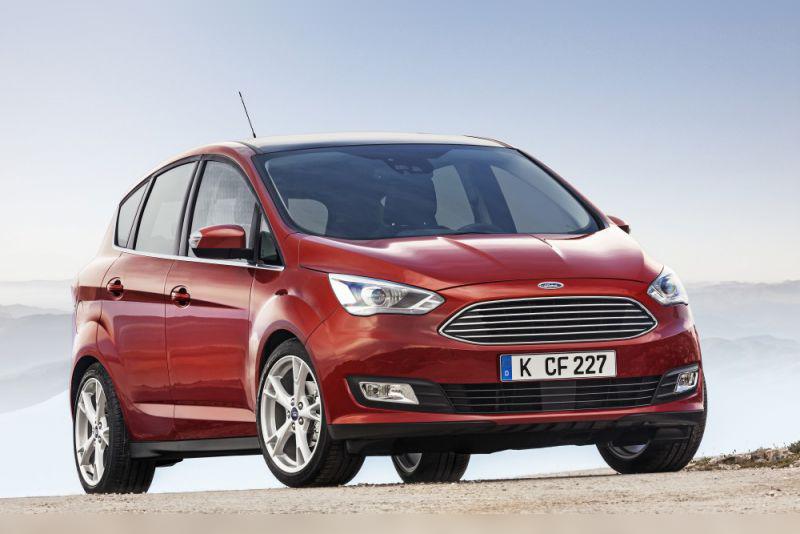
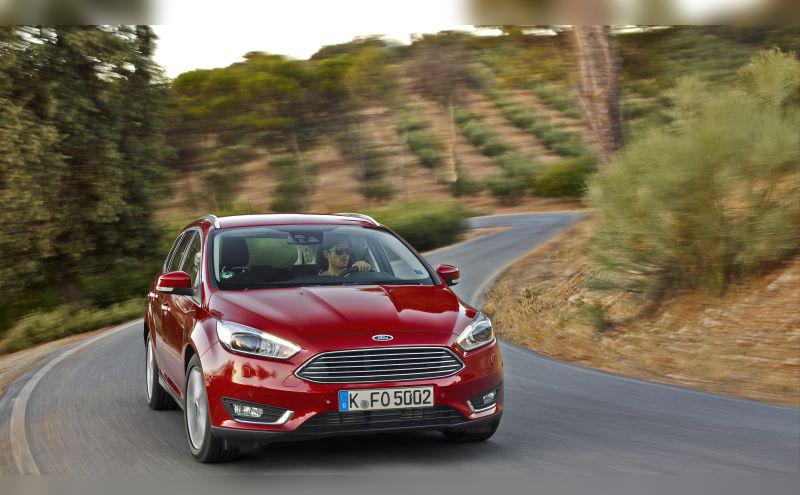
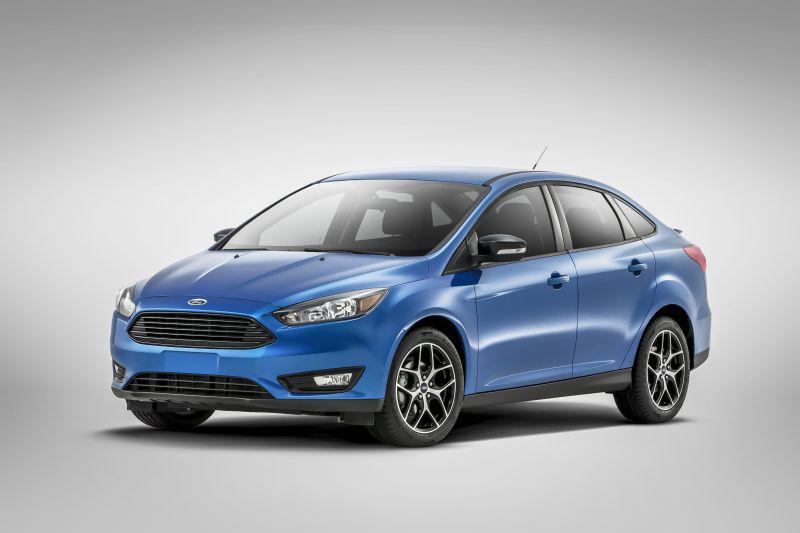
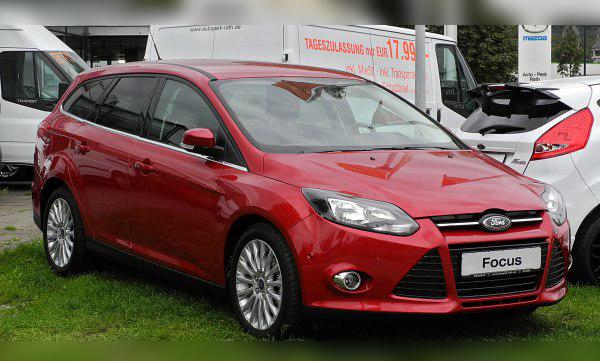
The engines designated T1DA and T1DB are Ford’s implementation of the well-known PSA (Peugeot/Citroën) engine family, better known as DV6C. This 1.6‑liter diesel is the core of the engine lineup for the third-generation Ford Focus and C-MAX models. Unlike its predecessors from the Focus Mk2, this engine moved from a 16‑valve design to a simpler and more reliable 8‑valve layout (single overhead camshaft).
This change is crucial because it eliminated many of the “childhood diseases” related to oil passages and turbo failures. With 115 horsepower, this engine was designed to be the “golden middle ground” – powerful enough for family trips, yet extremely economical for everyday use.
Technical specifications
| Parameter | Data |
|---|---|
| Engine displacement | 1560 cc (1.6 L) |
| Power | 85 kW (115 hp) at 3600 rpm |
| Torque | 270 Nm at 1750–2500 rpm |
| Engine codes | T1DA, T1DB |
| Configuration | Inline 4‑cylinder, 8 valves (SOHC) |
| Injection type | Common rail (piezo injectors) |
| Induction | Variable-geometry turbocharger (VGT) + intercooler |
| Emission standard | Euro 5 (mostly), later models Euro 6 |
Reliability and maintenance
Timing belt or chain?
This engine uses a timing belt to drive the camshaft. The factory replacement interval is optimistically set at around 180,000 to 200,000 km or 10 years. However, from an experienced technical editor’s perspective, it’s advisable to do the “major service” earlier – ideally at 150,000 to 160,000 km or at most every 8 years. A snapped belt leads to severe engine damage (piston-to-valve contact), so preventive replacement of the timing kit and water pump is the safest option.
Most common failures
Although more reliable than its predecessor, the T1DA/T1DB has its weak points:
- Injector copper washers: The copper sealing washers can fail, allowing combustion gases to leak and soot to build up around the injector. The symptom is a characteristic “puff‑puff” sound and exhaust smell in the cabin. If not fixed, the soot can clog the oil passages (oil pump strainer) and kill the turbo.
- Intercooler hoses: Prone to cracking due to age and pressure, which leads to loss of power and increased black smoke.
- Fuel pressure sensor: Can occasionally cause issues, leading to rough running or stalling.
Oil: quantity and grade
The engine takes approximately 3.8 to 4.0 liters of oil (including the filter). Only fully synthetic 5W‑30 oil that meets the strict Ford specification (usually Ford WSS‑M2C913‑C or D) is recommended. These engines are sensitive to poor-quality oil.
Oil consumption
A healthy 1.6 TDCi engine should not consume a significant amount of oil between services. Consumption of up to 0.5 liters per 10,000 km can be tolerated on higher-mileage engines. If it uses more (e.g. a liter every few thousand km), this points to a problem with the turbo, piston rings, or oil seal leaks.
Injector lifespan
The injection system (mainly Siemens/Continental on this version) is quite robust. Injectors usually last over 200,000–250,000 km with good-quality fuel. Early symptoms of failure include rough running on cold start, increased fuel consumption, and a “clattering” sound under load. Reconditioning is possible, but the price depends on the market (often falls into the “moderately expensive” category).
Specific parts (costs)
Dual-mass flywheel
Yes, this 115 hp engine is paired with a gearbox that uses a dual-mass flywheel (DMF). Its typical lifespan is between 180,000 and 250,000 km, depending on driving style. City driving and harsh acceleration wear it out faster. Symptoms include metallic noises when starting/stopping the engine and vibrations in the clutch pedal. Replacement is in the “expensive” category.
Turbocharger
The engine has a single variable-geometry turbocharger (VGT). Turbo lifespan is significantly improved compared to the old 16V versions because the strainer in the banjo bolt for the oil feed has been modified or removed. With regular oil changes (every 10–12,000 km), the turbo easily exceeds 250,000 km. Whistling from the turbo is the first warning sign.
DPF and EGR
All models with the T1DA/T1DB engine have a DPF filter and an EGR valve.
EGR: Prone to clogging with soot, which manifests as jerking at low revs. Cleaning often solves the problem.
DPF: These engines use a system with an additive (on some variants) or a dry DPF (coated), depending on the exact production date and market. Problems occur almost exclusively with city-only driving. If you drive 80% in the city, the DPF will clog. Symptoms include a warning light and “safe mode” (loss of power).
AdBlue system
Most T1DA/T1DB engines are Euro 5 and do not have an AdBlue system, which is a big advantage as it’s one less system to maintain. However, later models (transition to Euro 6 around 2015) or specific variants may have AdBlue. Always check for a blue cap next to the fuel filler. If there isn’t one – you’re in the clear.
Fuel consumption and performance
Real-world fuel consumption
This is the engine’s strongest selling point.
City driving: Expect between 5.8 and 6.8 l/100 km, depending on traffic and how heavy your right foot is (the Start/Stop system helps a bit).
Open road: On secondary roads, consumption easily drops to 4.0–4.5 l/100 km.
Combined: The real-world average for most drivers is around 5.5 l/100 km.
Is the engine “lazy”?
With 270 Nm of torque, the engine is not lazy in the Ford Focus body (hatchback or sedan). It pulls linearly and strongly from around 1700 rpm.
However, in the Ford Grand C‑MAX (especially the 7‑seater version), when the car is fully loaded with passengers and luggage, the lack of power on uphill sections can be felt. For the Grand C‑MAX, the 2.0 TDCi is a better, albeit more expensive, option.
Behavior on the motorway
Thanks to the 6‑speed gearbox, the engine is very relaxed. At 130 km/h, it spins at around 2200–2400 rpm (depending on tyre size), which provides quiet cruising and fuel consumption of about 5.0–5.5 liters. Overtaking on the motorway is safe, but when fully loaded you will sometimes need to shift down to 5th gear.
Additional options and modifications
Chip tuning (Stage 1)
This engine responds very well to remapping. A safe Stage 1 tune raises power to around 135–140 hp and torque to about 310–320 Nm.
Risk: The power increase directly accelerates wear of the clutch and dual-mass flywheel. If these components are already tired, a remap will finish them off. It’s recommended only on a fully healthy car.
Gearbox
Types of gearboxes
The T1DA/T1DB engine is most commonly paired with an excellent 6‑speed manual gearbox (B6). It is precise, with a short throw and well-chosen ratios.
There are versions with an automatic gearbox, but caution is advised. At that time Ford used the PowerShift dual-clutch transmission. PowerShift gearboxes from that era are known for higher maintenance costs and potential mechatronic failures if the oil was not changed regularly.
Gearbox maintenance and failures
- Manual: Very reliable. Failures are rare and mostly related to the shift cables. The gearbox oil is “lifetime” according to the factory, but it’s recommended to change it every 100,000–150,000 km to preserve the bearings.
- Clutch cost: Replacing the clutch kit together with the dual-mass flywheel and concentric slave cylinder is one of the most expensive regular expenses on this car (very expensive relative to the vehicle’s value).
Buying used and conclusion
Before buying a Ford with this engine, make sure you do the following:
- Listen to the engine when cold: If you hear uneven “knocking”, it may be the injectors. If you hear a metallic rattle that disappears when you press the clutch – the flywheel is due for replacement.
- Check the injectors: Remove the plastic engine cover and look around the injectors. If you see black tar-like deposits or hear hissing, the copper washers have failed.
- Diagnostics: Check DPF saturation and injector correction values.
- Test drive: Put it in 3rd or 4th gear at around 1500 rpm and floor the accelerator. If the car vibrates while accelerating, this is often a sign of a worn flywheel or driveshafts.
Conclusion
The 1.6 TDCi (115 hp) is probably the most sensible choice for a used Ford Focus Mk3. It offers an excellent balance between power and economy and has resolved the main reliability issues of its predecessors. It is ideal for drivers who cover more than 15,000 km per year and drive a mix of routes or mostly on open roads. It’s a good choice for the C‑MAX as well, but for a fully loaded Grand C‑MAX it can feel a bit underpowered. Maintenance is not the cheapest due to the dual-mass flywheel and DPF, but overall it’s average for its class.
Was this content useful to you?
Your opinion helps us to improve the quality of the content.